DESTINATIONS
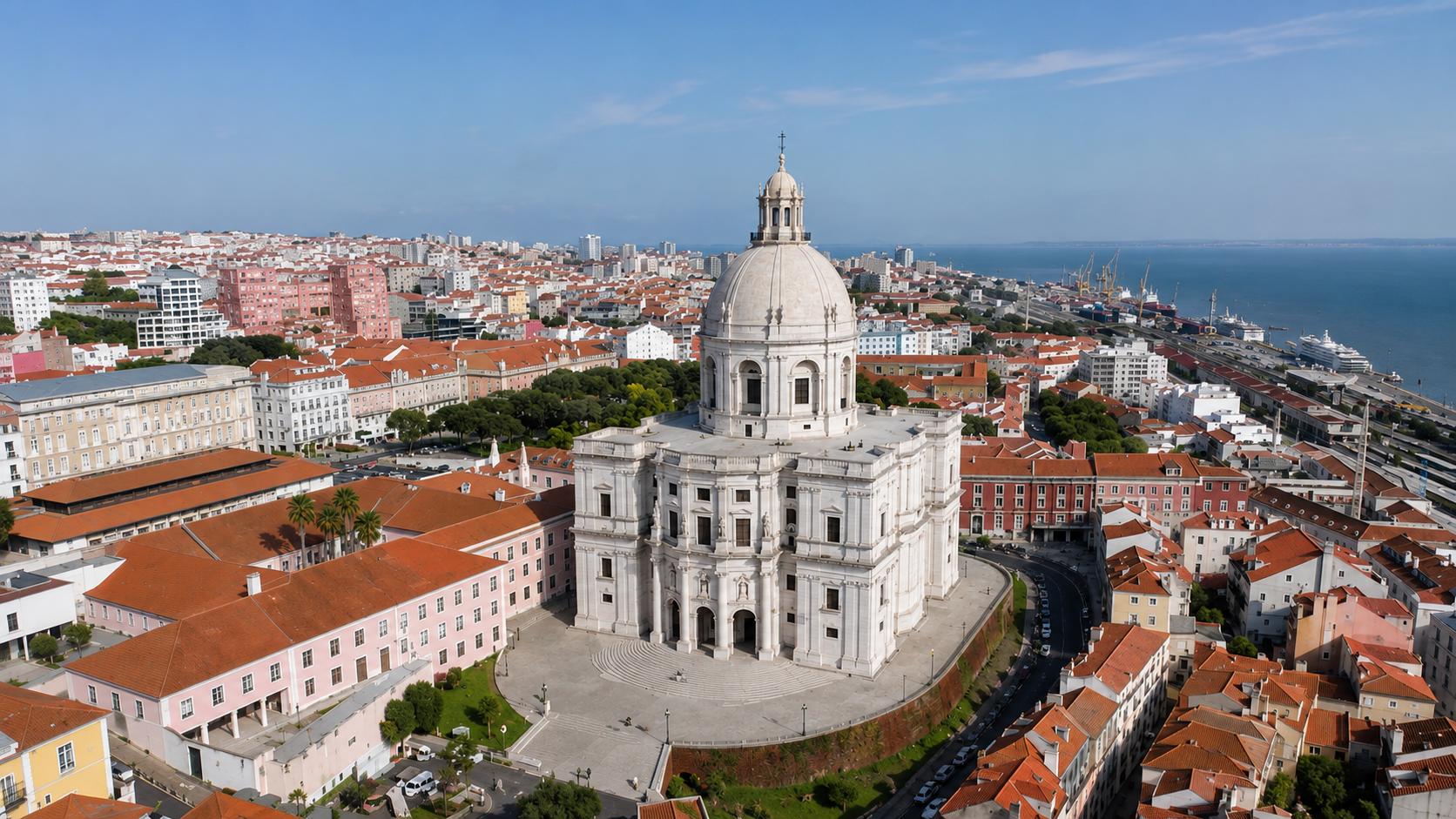
Lisbon, Portugal
A sunlit city of tiled streets, storied neighborhoods, and sweeping Tagus views, where old-world character meets a creative, effortlessly unhurried spirit.
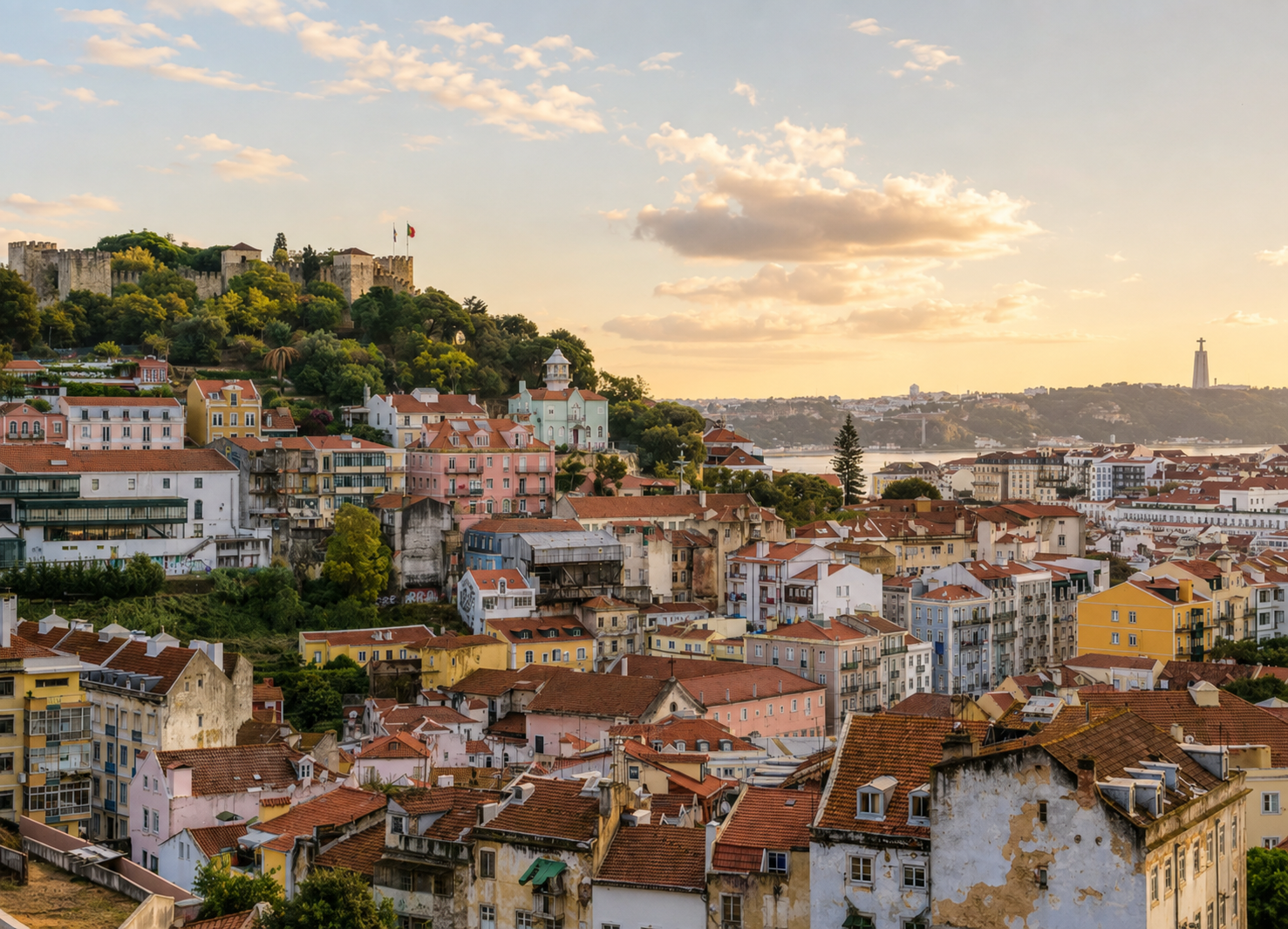
Lisbon isn’t a city you rush through-it’s one you wander.
The Soverra Take
Lisbon draws you into its rhythm—morning coffee at a neighborhood café, afternoons wandering sunlit streets, and evenings lingering above the Tagus as the city turns golden. Leave space between the plans, because Lisbon is at its most memorable when you slow down, follow your curiosity, and allow the city to surprise you.
About lisbon
Built across seven hills above the Tagus, Lisbon is one of Europe’s oldest capitals, shaped by centuries of maritime exploration, trade, artistry, and reinvention. Its history unfolds through the medieval lanes of Alfama, the grand avenues rebuilt after the 1755 earthquake, and the monuments of Belém that reflect Portugal’s Age of Discovery. Hand-painted azulejos, historic trams, neighborhood cafés, and the soulful tradition of Fado remain deeply woven into the city’s cultural identity. Today, contemporary galleries, independent designers, and a new generation of Portuguese creatives exist naturally alongside centuries-old traditions, giving Lisbon its distinctive balance of history and modern life.
Neighborhood Guide
-
![]()
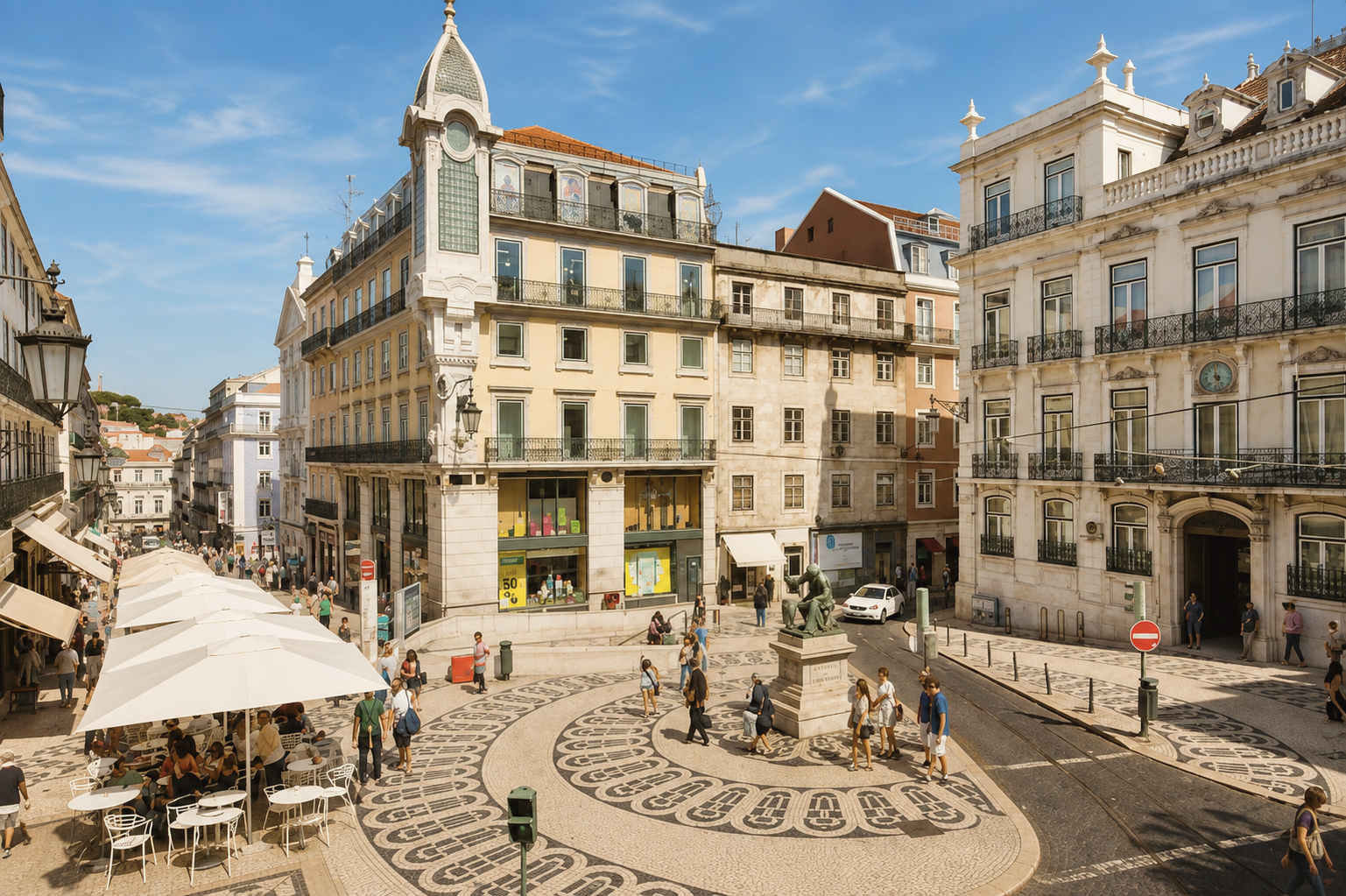
BAIXA
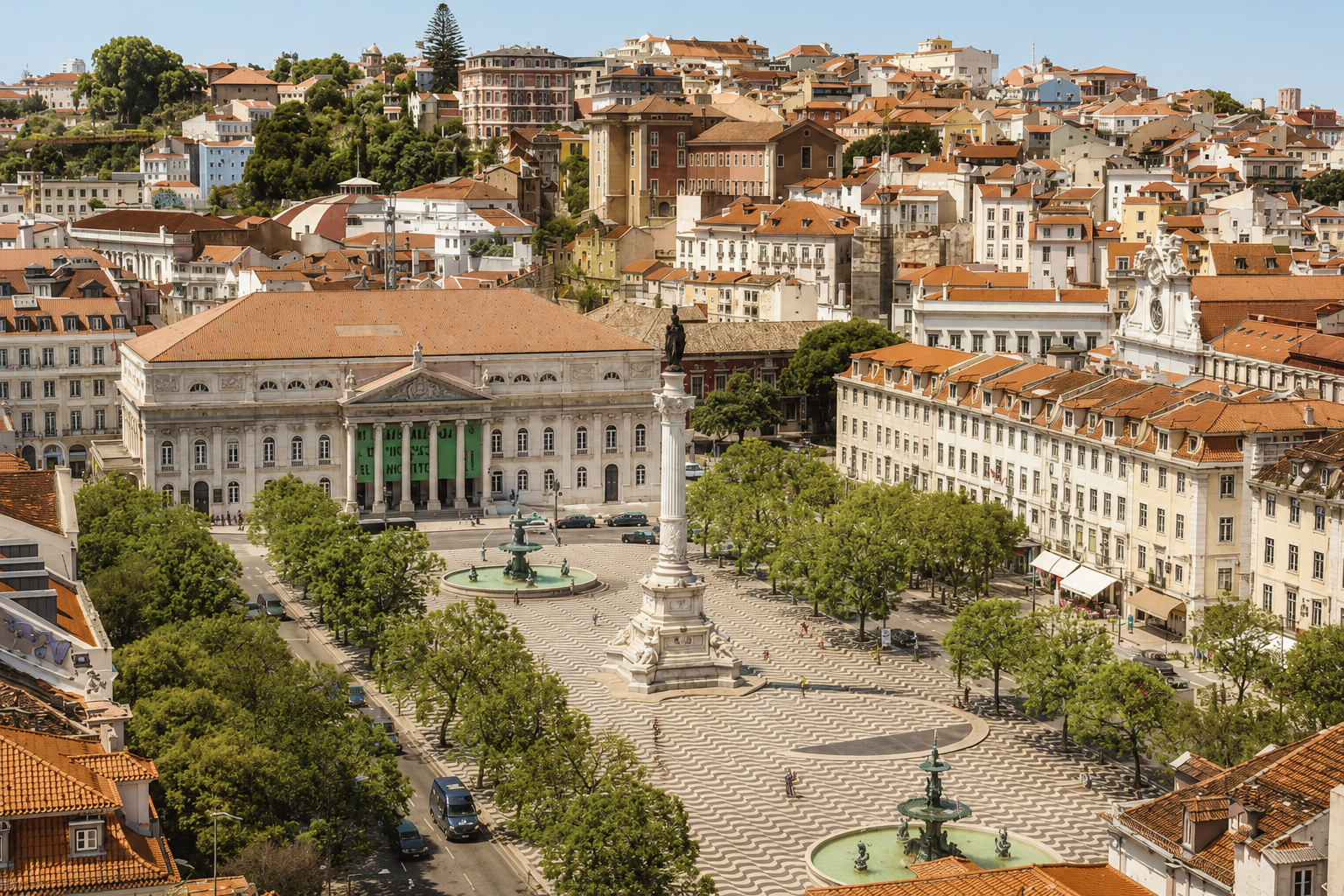
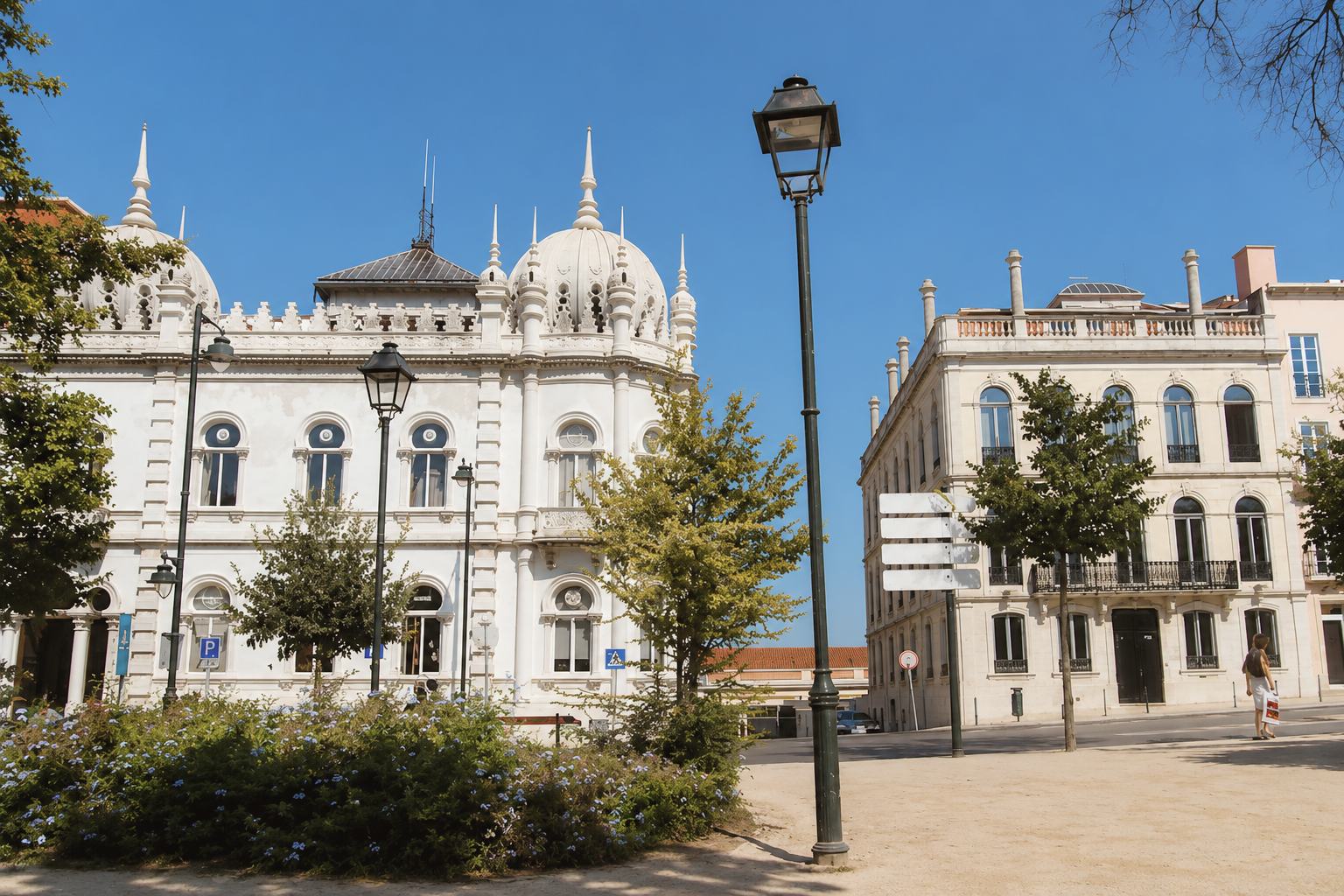
Lisbon at its most grand and graceful. Baixa unfolds through elegant squares, tiled façades, and wide avenues leading toward the Tagus. Central and effortlessly walkable, it is an ideal base for first-time visitors who want the city’s landmarks, cafés, and historic streets just beyond their door.
-
![]()
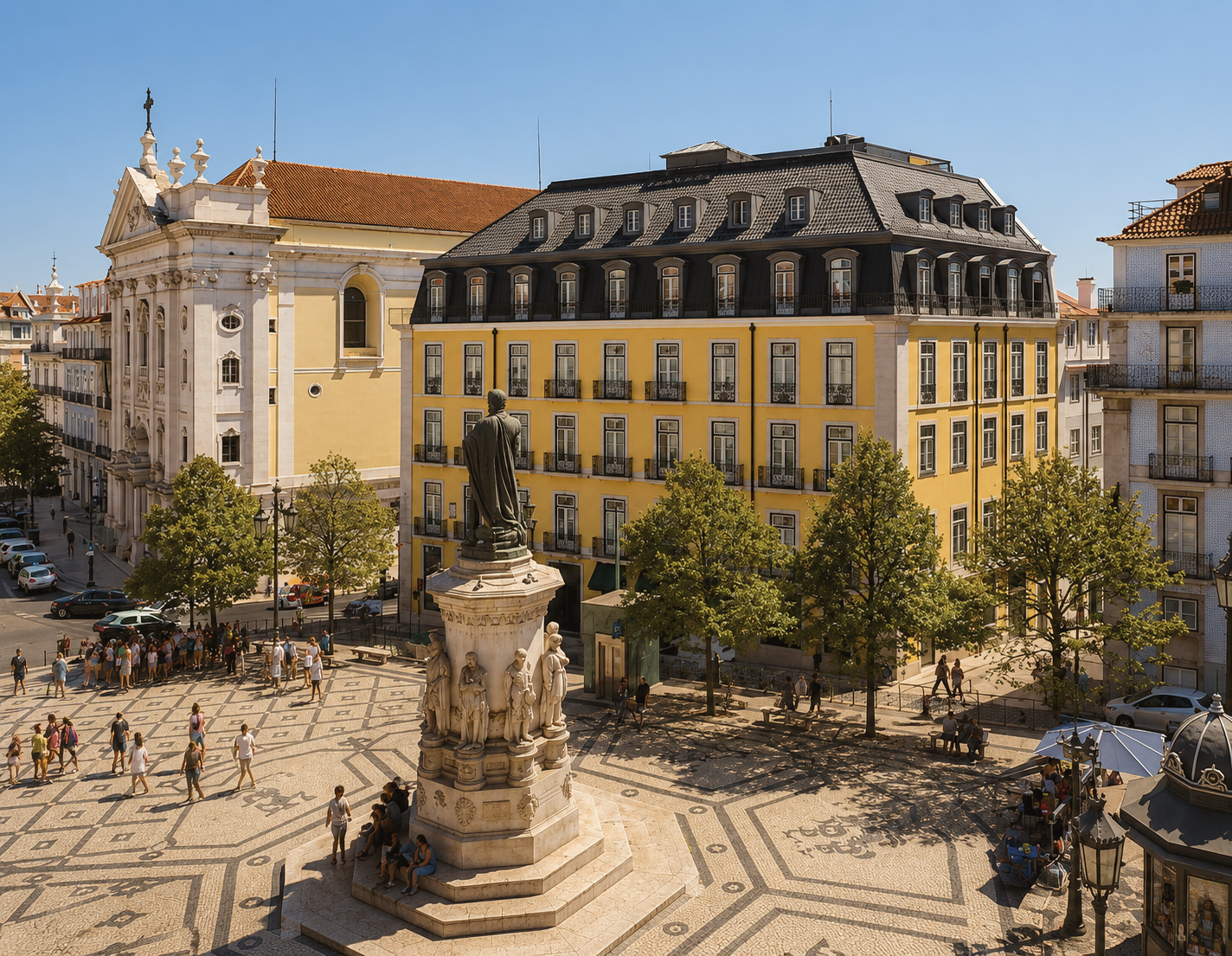
CHIADO
Refined, cultured, and unmistakably Lisbon. Chiado blends historic theaters and literary cafés with independent boutiques, beautiful architecture, and some of the city’s most sophisticated dining. Stay here for an elegant neighborhood that feels polished without losing its sense of place.
-
![]()
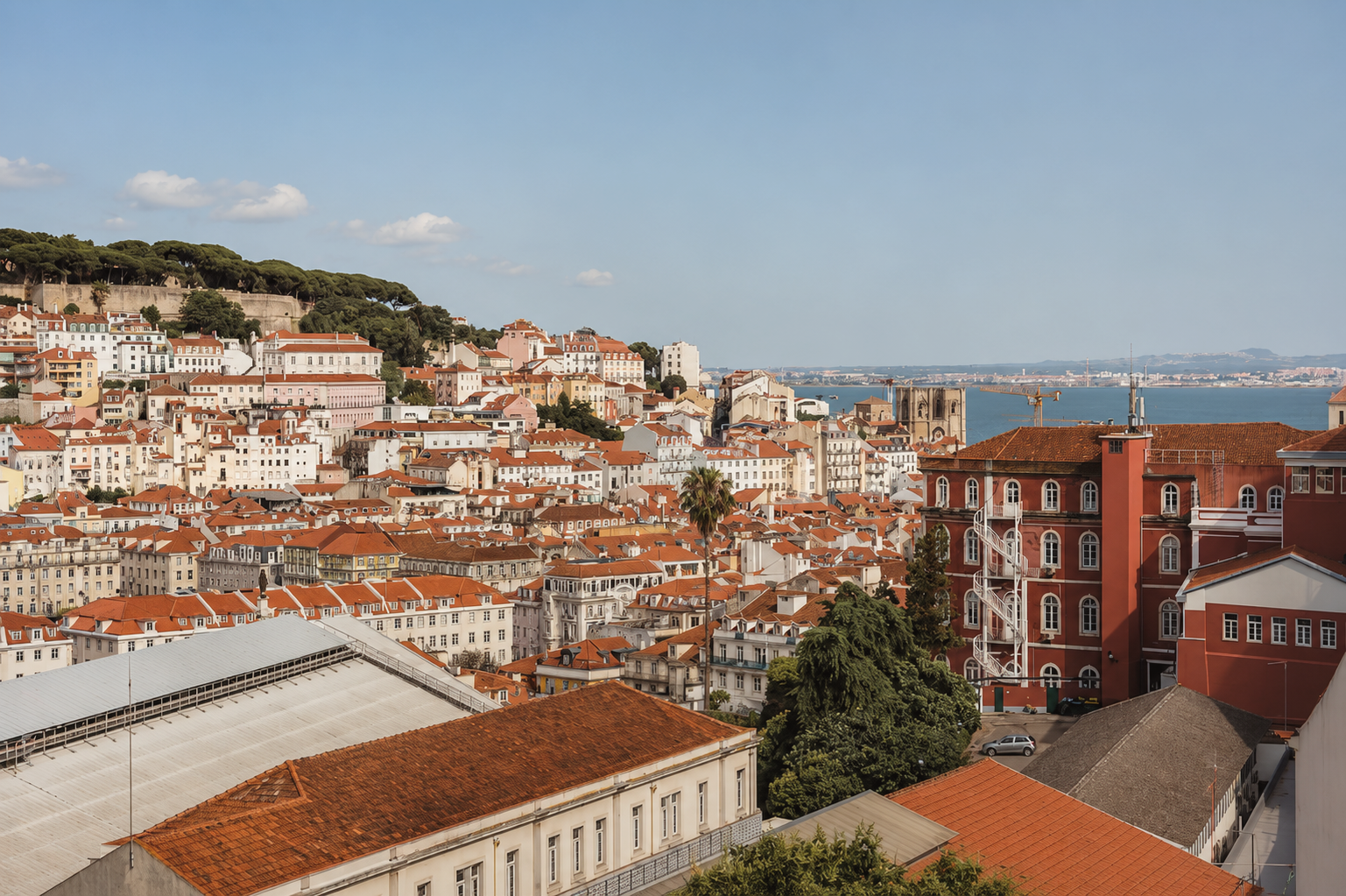
ALFAMA
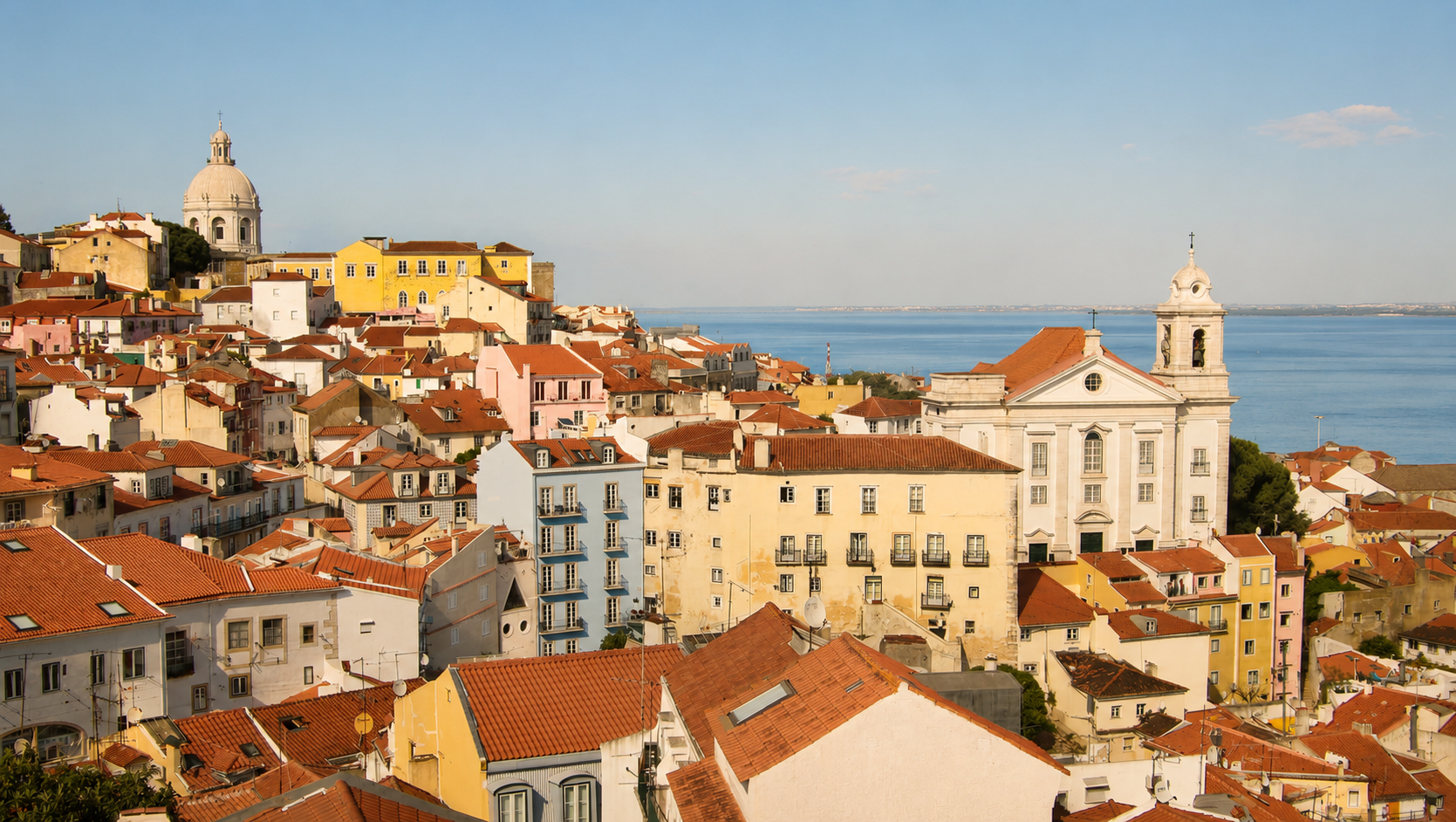
Lisbon at its most atmospheric. Alfama is a maze of cobbled lanes, tiled houses, hidden courtyards, and sweeping viewpoints, where the sound of fado still drifts from intimate taverns after dark. Stay here to experience the city’s oldest quarter with history and character woven into every turn.
-
![]()
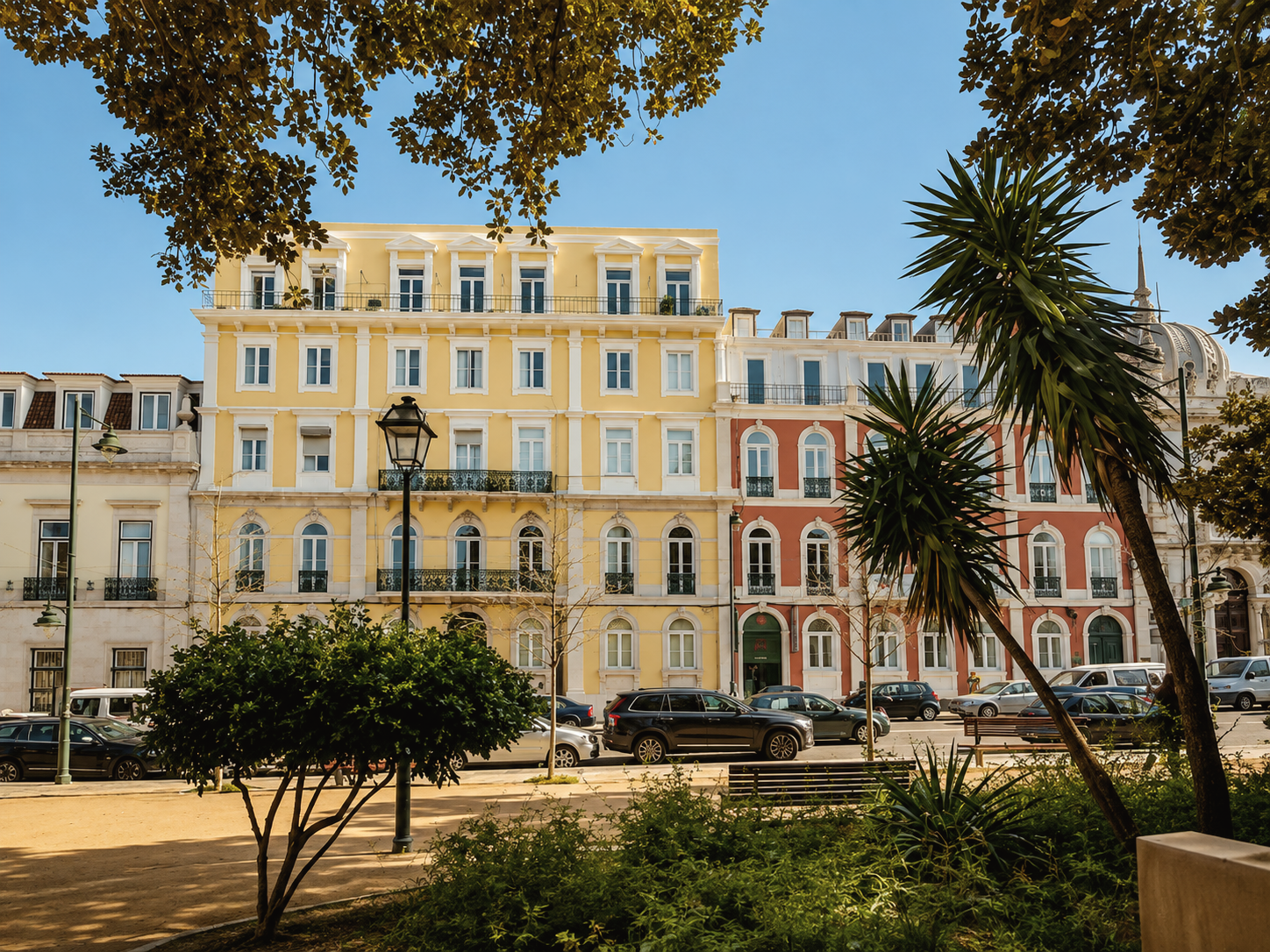
PRÍNCIPE REAL
Leafy, stylish, and quietly sophisticated. Príncipe Real pairs graceful mansions and garden-lined streets with independent designers, concept stores, intimate restaurants, and beautiful boutique stays. It is Lisbon for travelers who appreciate thoughtful design, local creativity, and a slower rhythm.
-
![]()
BAIRRO ALTO
Historic by day and spirited after dark. Bairro Alto’s narrow streets are lined with traditional façades, small restaurants, wine bars, and neighborhood institutions that come alive as evening settles over the city. Stay here for energy, character, and easy access to some of Lisbon’s best dining and nightlife.
-
![]()
BELÉM
Monumental Lisbon with room to breathe. Set along the Tagus, Belém brings together grand maritime landmarks, contemporary museums, waterfront gardens, and one of the city’s most beloved culinary traditions. It is a beautiful choice for travelers drawn to culture, architecture, and a more peaceful pace just beyond the historic center.
Top Experiences
-
![]()
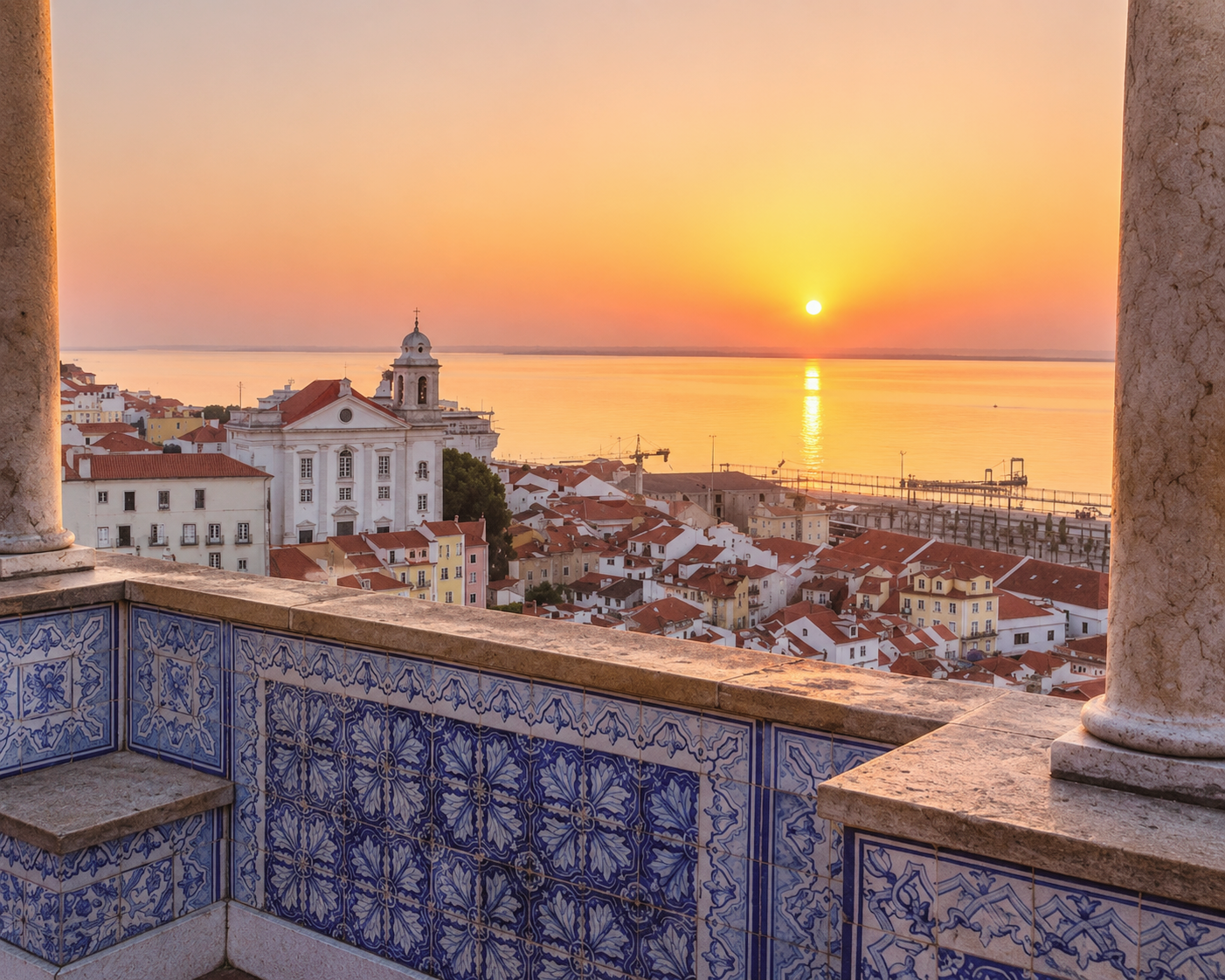
Watch Lisbon Glow from Miradouro de Santa Luzia
Begin in Alfama at one of Lisbon’s most romantic viewpoints, where bougainvillea-framed terraces overlook terracotta rooftops, church domes, and the Tagus. Visit in the quiet of early morning or as the city softens toward golden hour, when the view feels especially timeless.
-
![]()
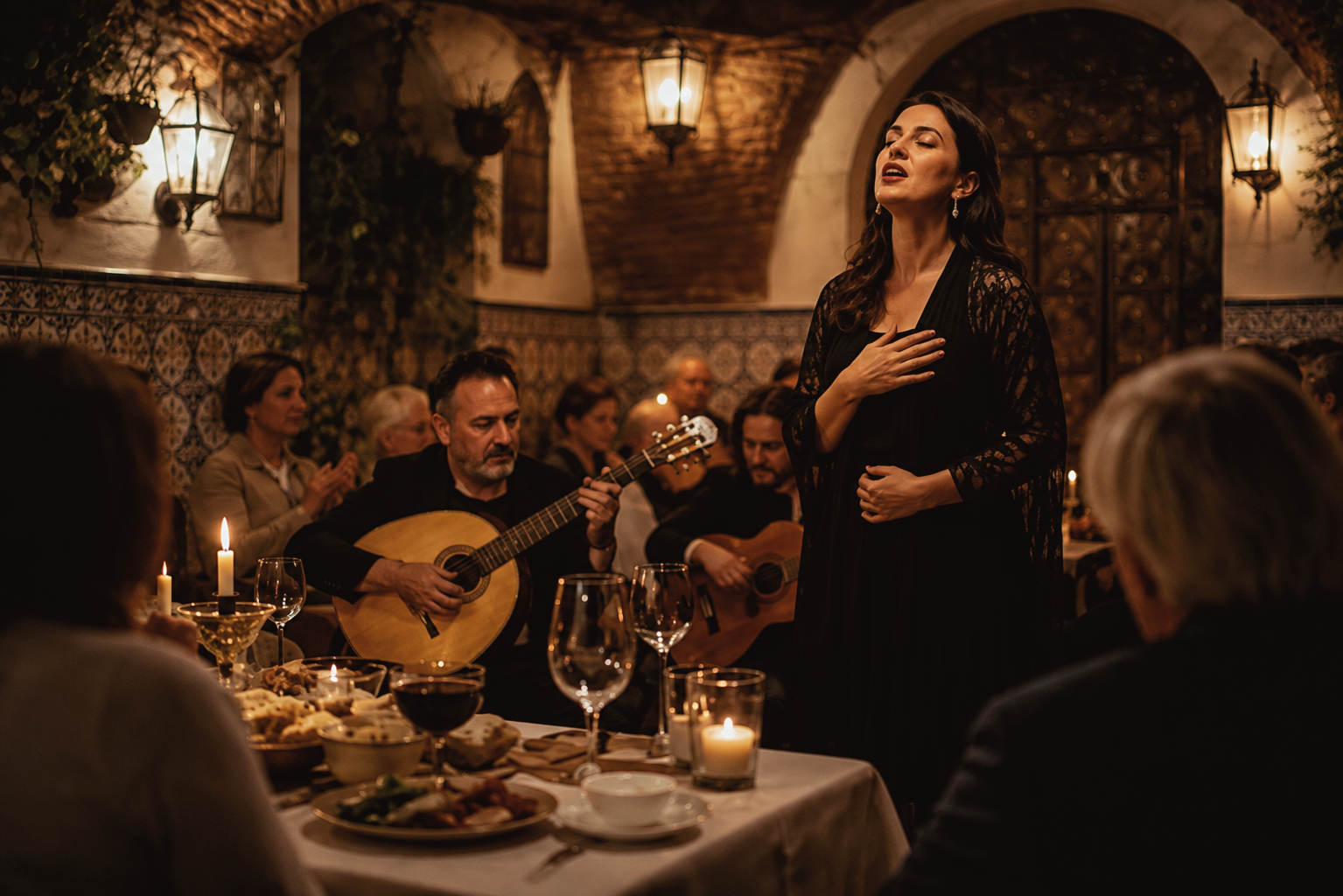
Experience Fado Over Dinner in Alfama
Spend an evening immersed in Lisbon’s most soulful tradition. Settle into an intimate casa de fado in Alfama for Portuguese cuisine, local wine, and live performances that reveal the emotion and storytelling behind this deeply Portuguese art form.
-
![]()
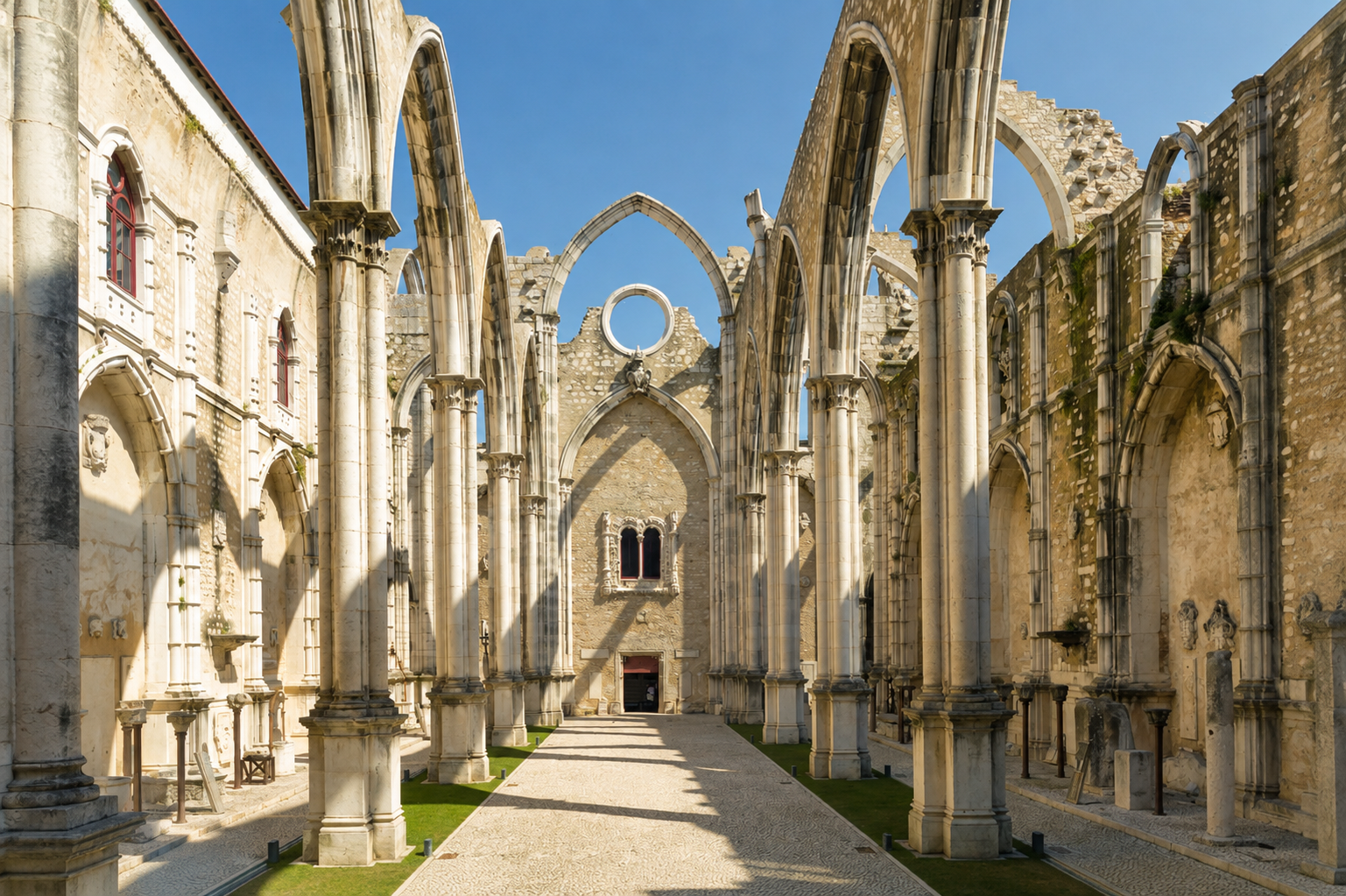
Step Inside the Ruins of the Carmo Convent
Walk beneath the open Gothic arches of the Carmo Convent, one of Lisbon’s most evocative historic spaces. Explore the archaeological museum within before lingering among the roofless ruins—a beautiful reminder of the earthquake that forever reshaped the city.
-
![]()
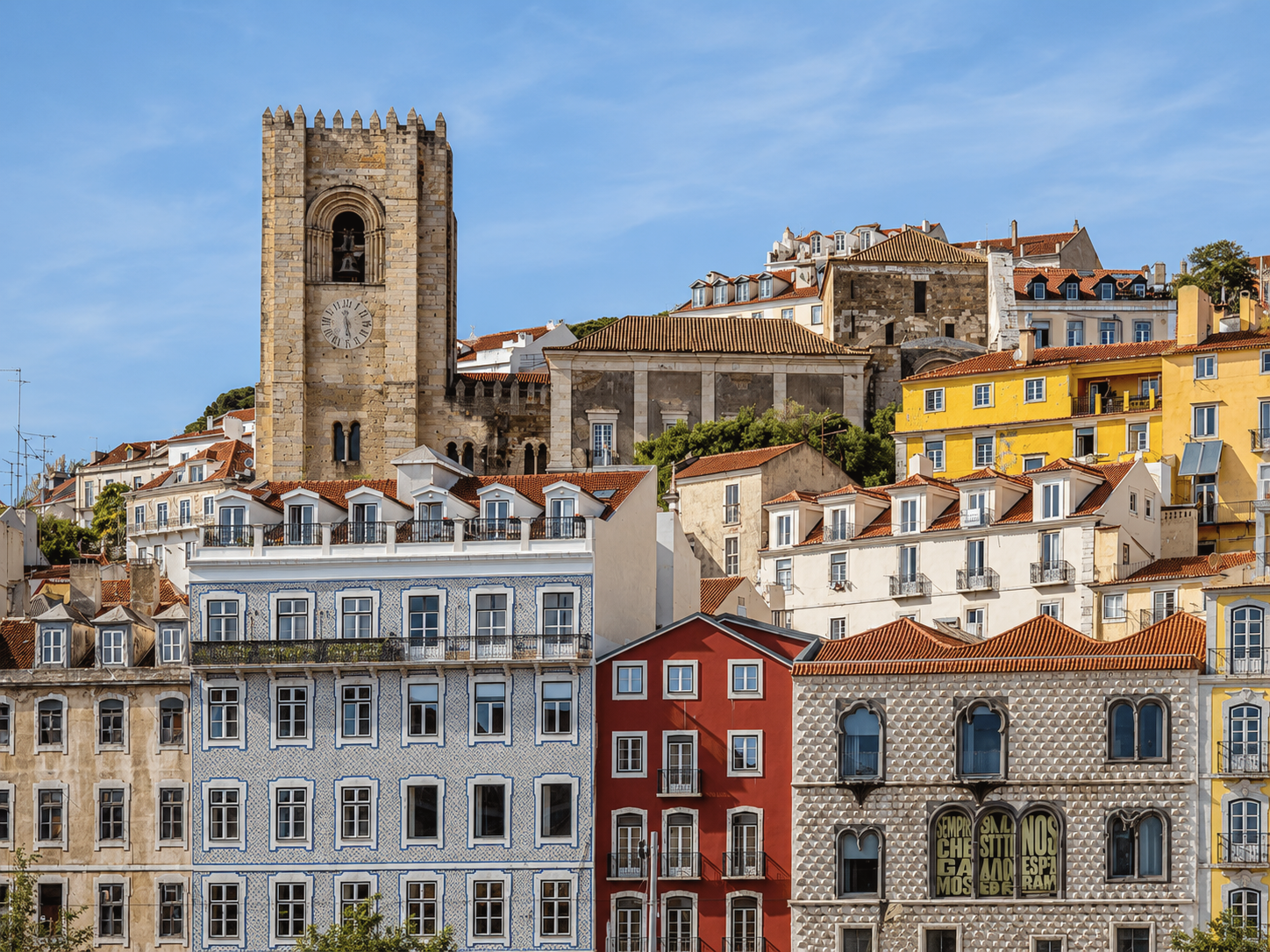
Discover Lisbon Cathedral & the Heart of Alfama
Enter Sé de Lisboa, the city’s oldest cathedral, before continuing on foot into the lanes of Alfama. Romanesque stone, tiled façades, hidden courtyards, and glimpses of everyday neighborhood life make this less a single landmark than an introduction to Lisbon’s layered history.
-
![]()
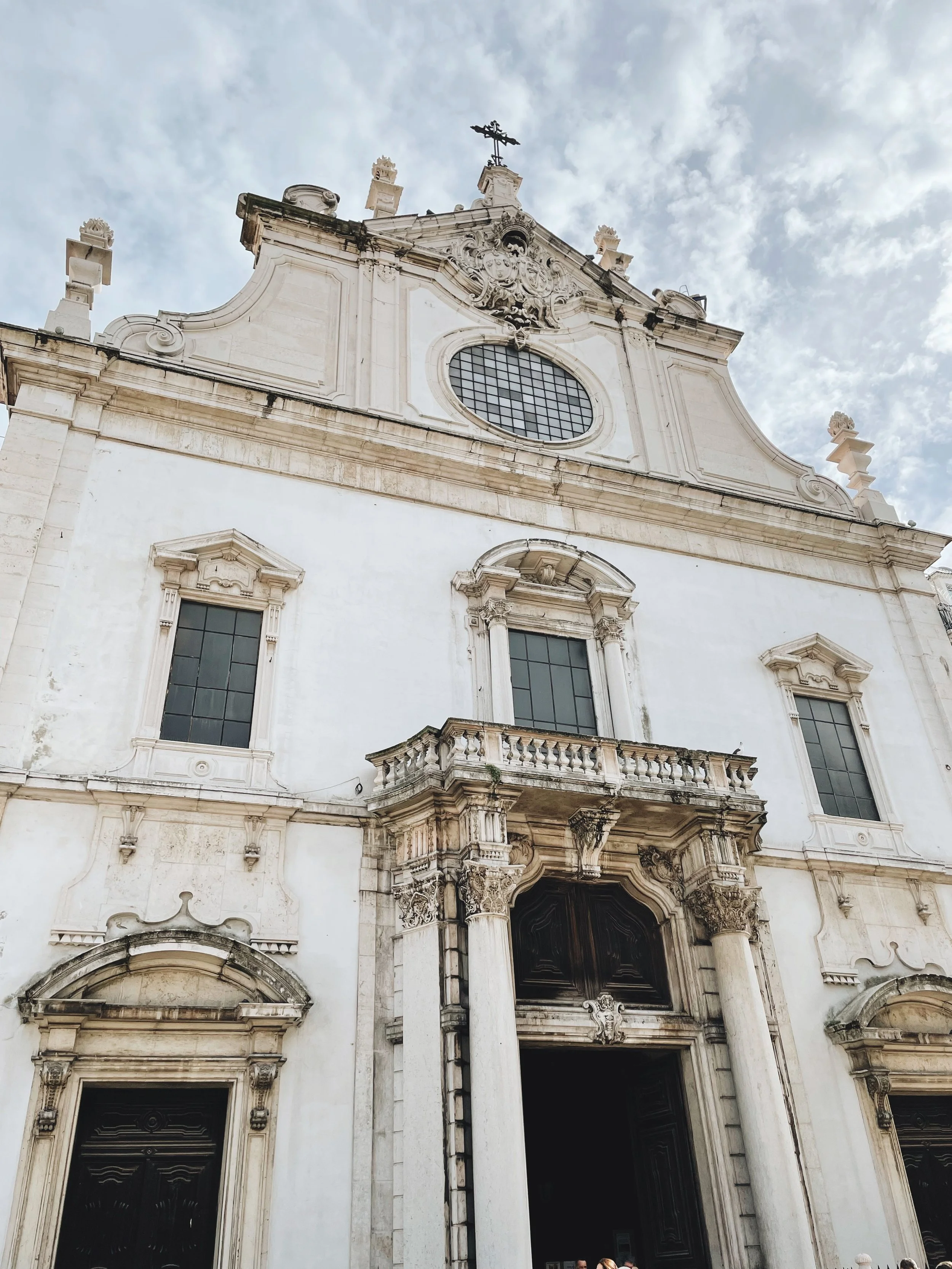
Visit the Church of São Domingos
Just beyond Rossio lies one of Lisbon’s most hauntingly beautiful interiors. Fire-scarred columns and walls remain intentionally unrestored, creating an extraordinary contrast between grandeur and imperfection—and one of the city’s most quietly powerful cultural spaces.
-
![]()
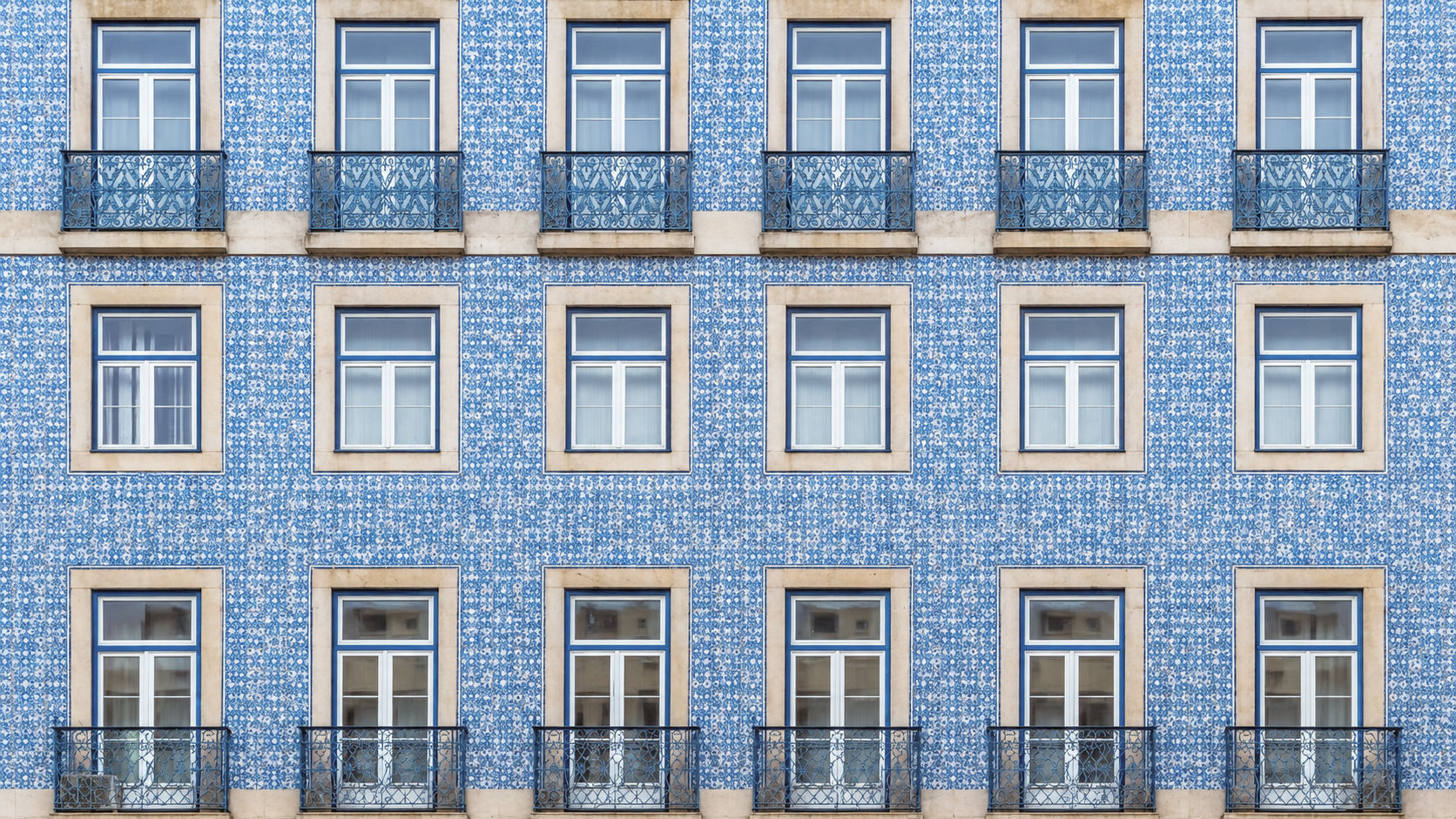
Discover the Art of Portuguese Tile
Go beyond admiring Lisbon’s azulejos from the street with a private or small-group tile-making experience led by a local artisan. Learn the centuries-old techniques behind Portugal’s distinctive ceramics and create a hand-painted piece to take home—a meaningful connection to the craft that defines so much of the city.
-
![]()
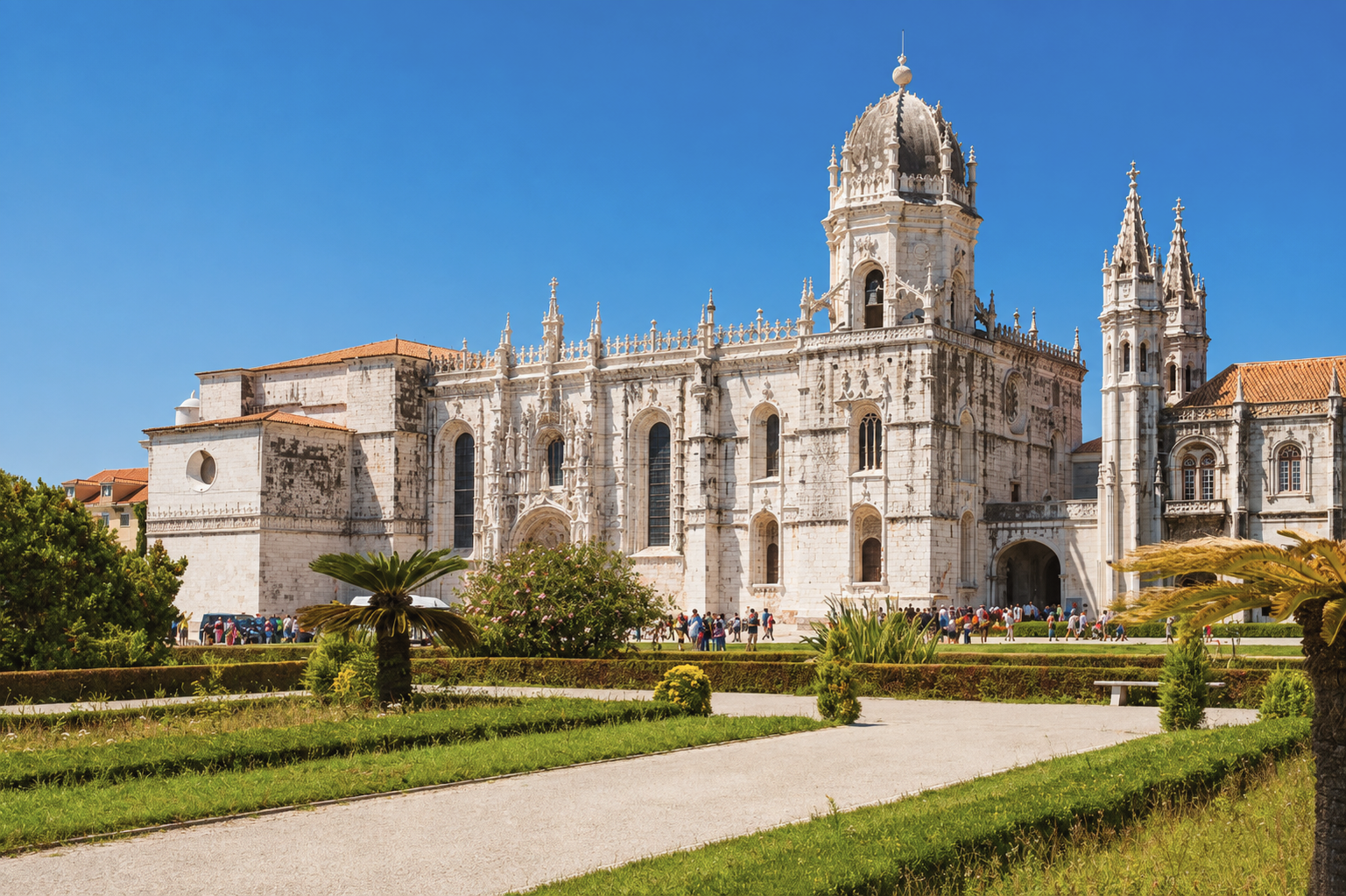
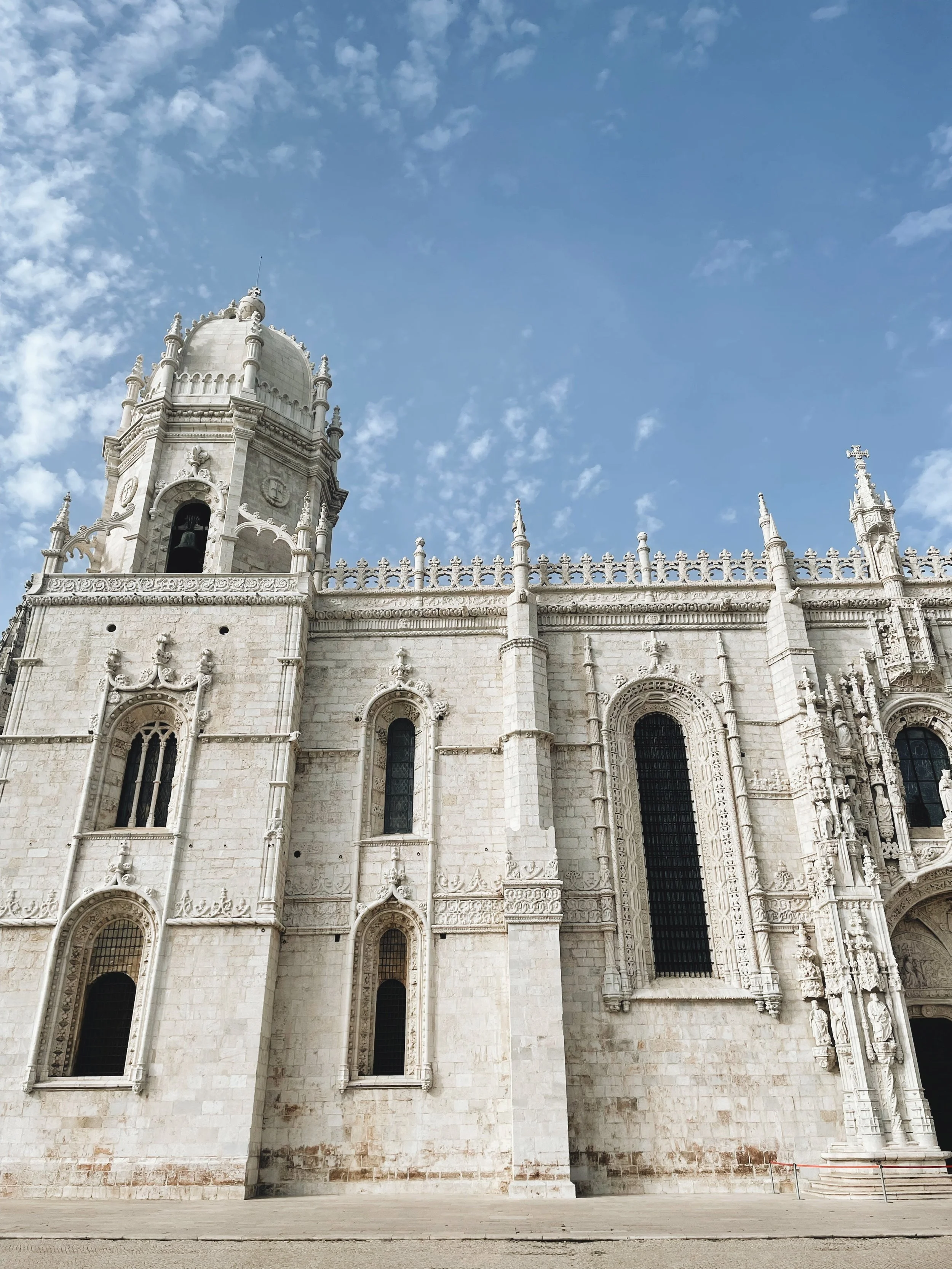
Explore Belém Through Portugal’s Age of Discovery
Spend a slow morning along the Tagus in Belém, beginning at the magnificent Jerónimos Monastery before walking toward Belém Tower and the riverfront. Finish with a warm pastel de nata from the historic Pastéis de Belém for a taste of Lisbon tradition that has endured since 1837.
-
![]()
Escape to Sintra & Cascais for the Day
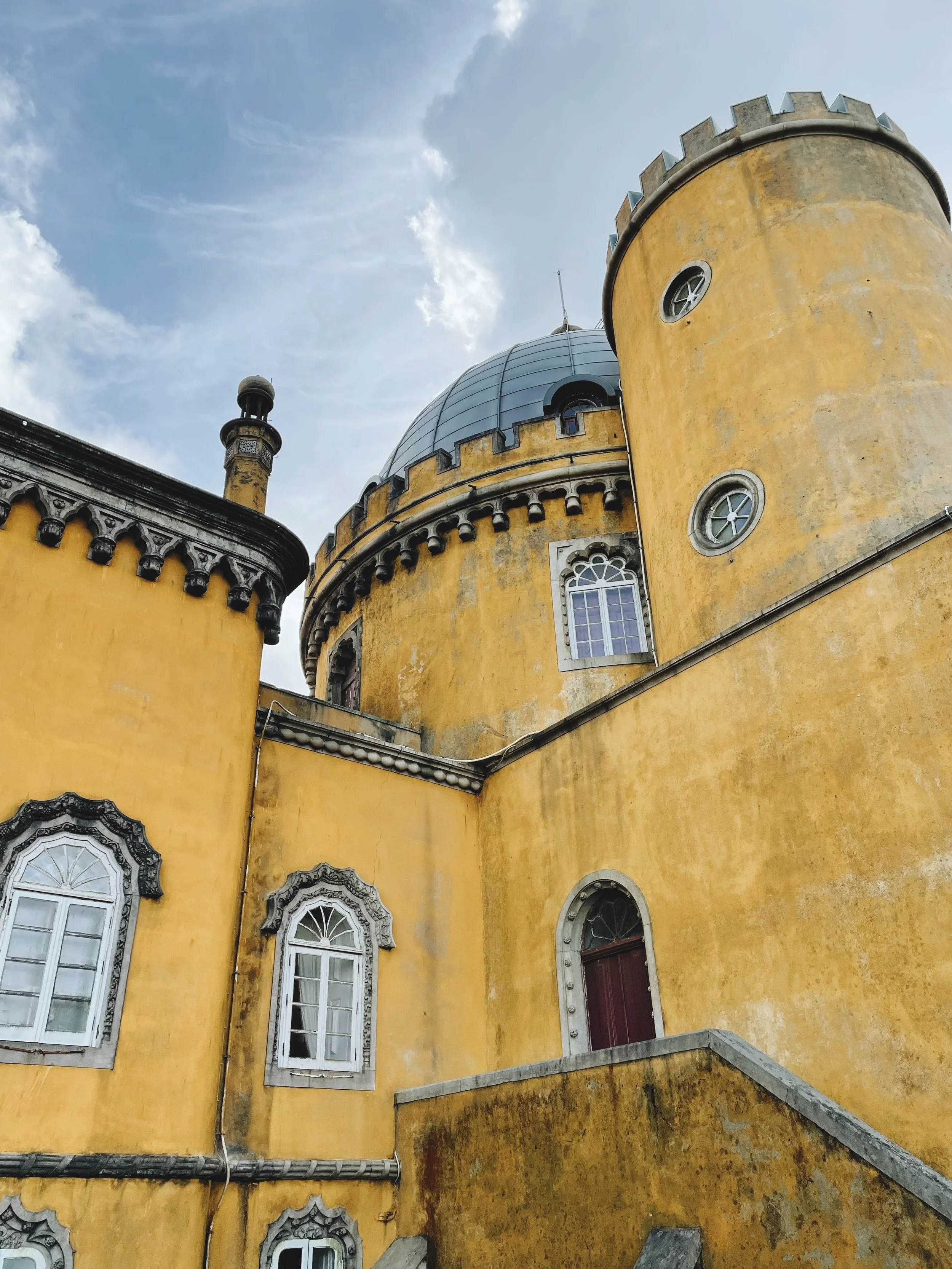
Leave Lisbon behind for a day that moves from Sintra’s romantic hills to the Atlantic coast. Begin among the palaces, gardens, and forested estates of Sintra, with time to explore the colorful Pena Palace or the enchanting grounds of Quinta da Regaleira. Continue toward Cascais for a leisurely late lunch, a walk through its elegant seaside streets, and time along the waterfront before returning to Lisbon. For the most beautiful journey, take the coastal road back, where cliffs, beaches, and sweeping Atlantic views turn the drive itself into part of the experience.
-
![]()
Wander Príncipe Real & Lisbon’s Independent Boutiques
Spend an unhurried afternoon discovering the more design-conscious side of the city. Explore independent Portuguese designers, concept stores, antique shops, galleries, and beautifully restored spaces around Príncipe Real and nearby Chiado, stopping for coffee or a glass of Portuguese wine along the way.
-
![]()
Sail the Tagus at Sunset
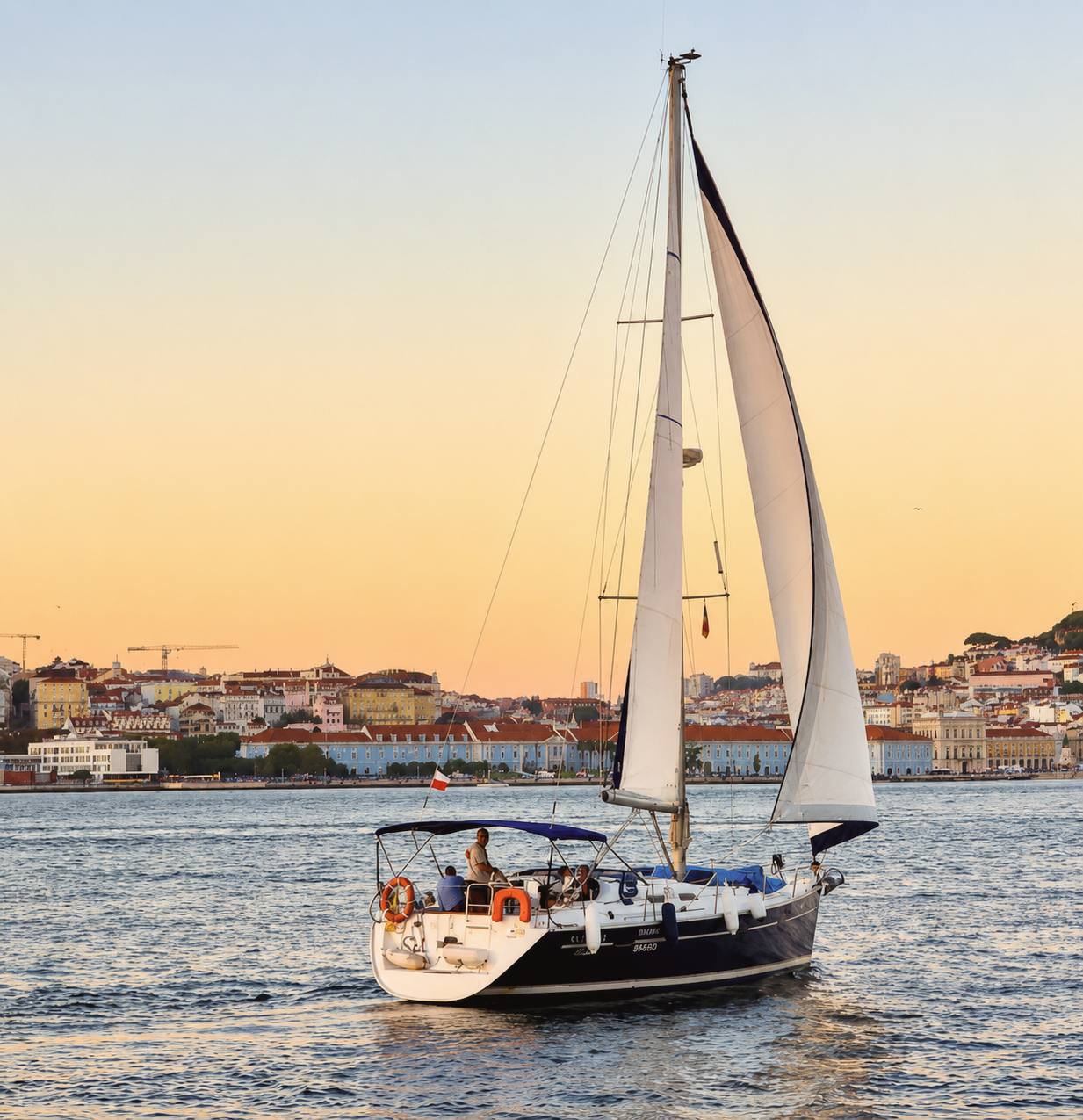
See Lisbon from the perspective that shaped it: the water. A private or intimate sailing excursion along the Tagus reveals Belém, the hills of Alfama, and the city’s waterfront in a completely different way. Time it for sunset, when Lisbon’s pale façades turn gold and the city begins to illuminate behind you.
Featured Stays
-
![]()
Bairro Alto Hotel
Set between Chiado and Bairro Alto, this landmark hotel pairs Lisbon heritage with quietly sophisticated Portuguese design. Come for the location, stay for sunset on the rooftop overlooking the Tagus.
-
![]()
Santiago de Alfama
Tucked into the winding streets of Alfama, this intimate hotel occupies a beautifully restored historic building steps from Lisbon Cathedral. Romantic and deeply rooted in its surroundings, it captures the feeling of living within old Lisbon.
-
![]()
Memmo Alfama
Hidden among Alfama’s tiled façades and narrow lanes, Memmo Alfama offers a contemporary retreat with sweeping views across the rooftops to the Tagus. Its relaxed terraces and neighborhood setting make it an ideal base for experiencing Lisbon slowly.
-
![]()
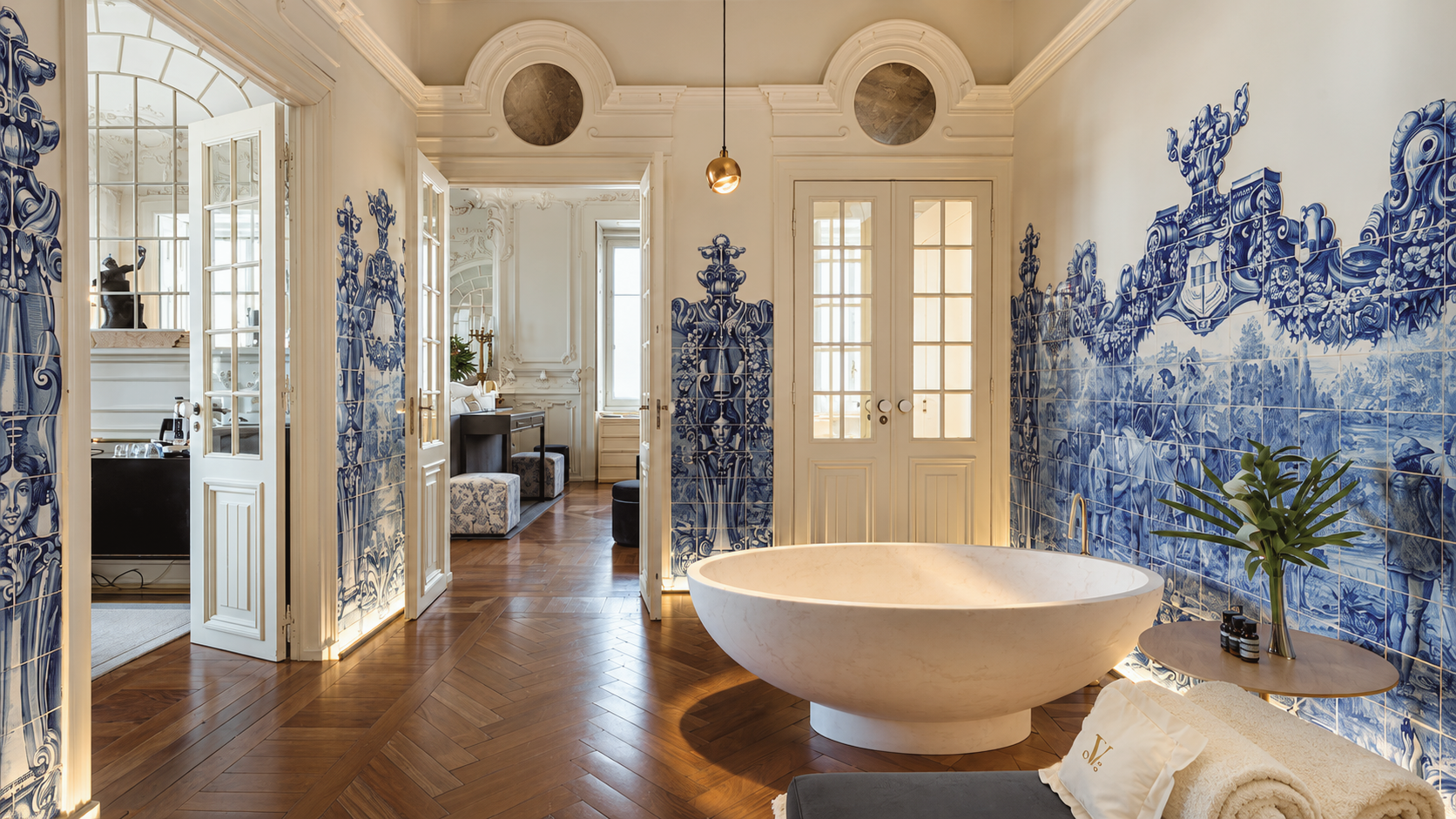
Verride Palácio Santa Catarina
An elegant 18th-century palace reimagined as an intimate luxury stay, Verride blends original architectural details with refined contemporary interiors. Its rooftop views and privileged Santa Catarina setting bring a distinctly romantic side of Lisbon to life.
-
![]()
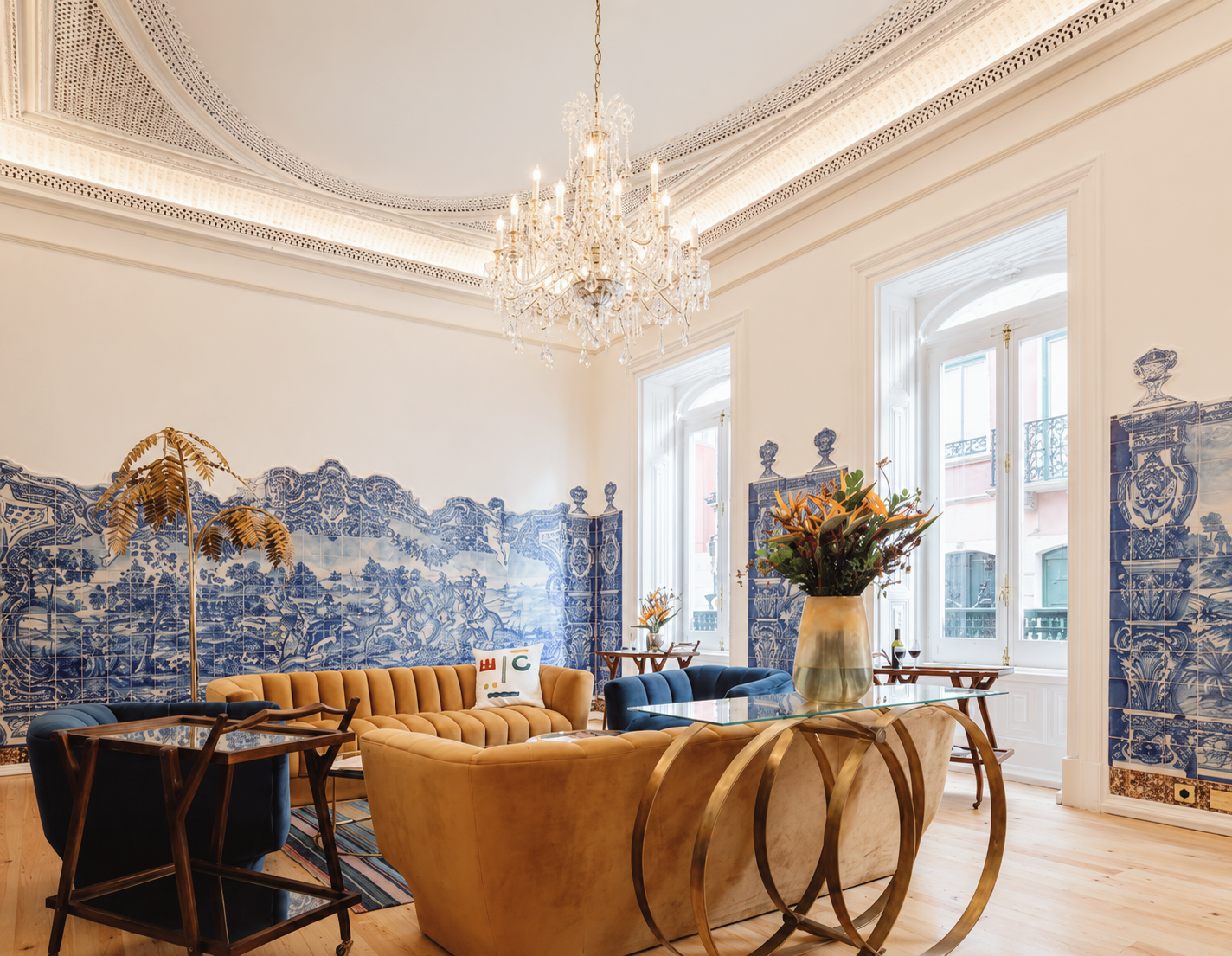
Palácio Príncipe Real
Behind the doors of a restored 19th-century palace, this intimate stay feels more like an elegant Lisbon residence than a traditional hotel. Lush gardens, heritage details, and a coveted Príncipe Real address create a quiet escape in one of the city’s most stylish neighborhoods.
-
![]()
Valverde Lisboa Hotel & Garden
Set along Avenida da Liberdade, Valverde combines the elegance of a private townhouse with an unexpectedly tranquil garden at its heart. Thoughtful interiors, intimate spaces, and understated service make it a sophisticated retreat from the energy of the city.
-
![]()
Palácio Ludovice Wine Experience Hotel
A historic palace overlooking Miradouro de São Pedro de Alcântara becomes a celebration of Portuguese wine, craftsmanship, and hospitality. Its heritage setting and immersive wine experiences make this an especially compelling stay for travelers drawn to Portugal through its culture and table.
-
![]()
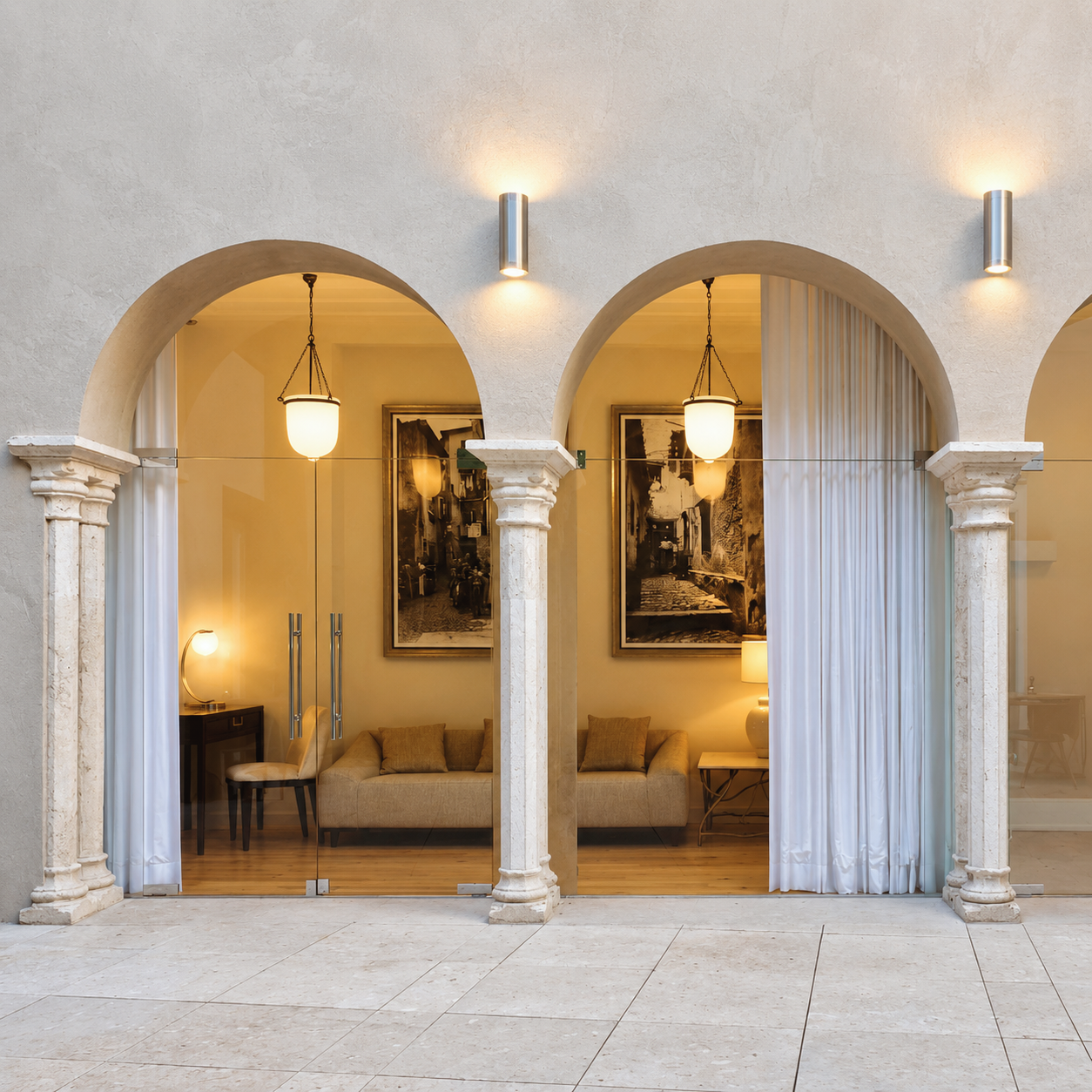
Hotel das Amoreiras
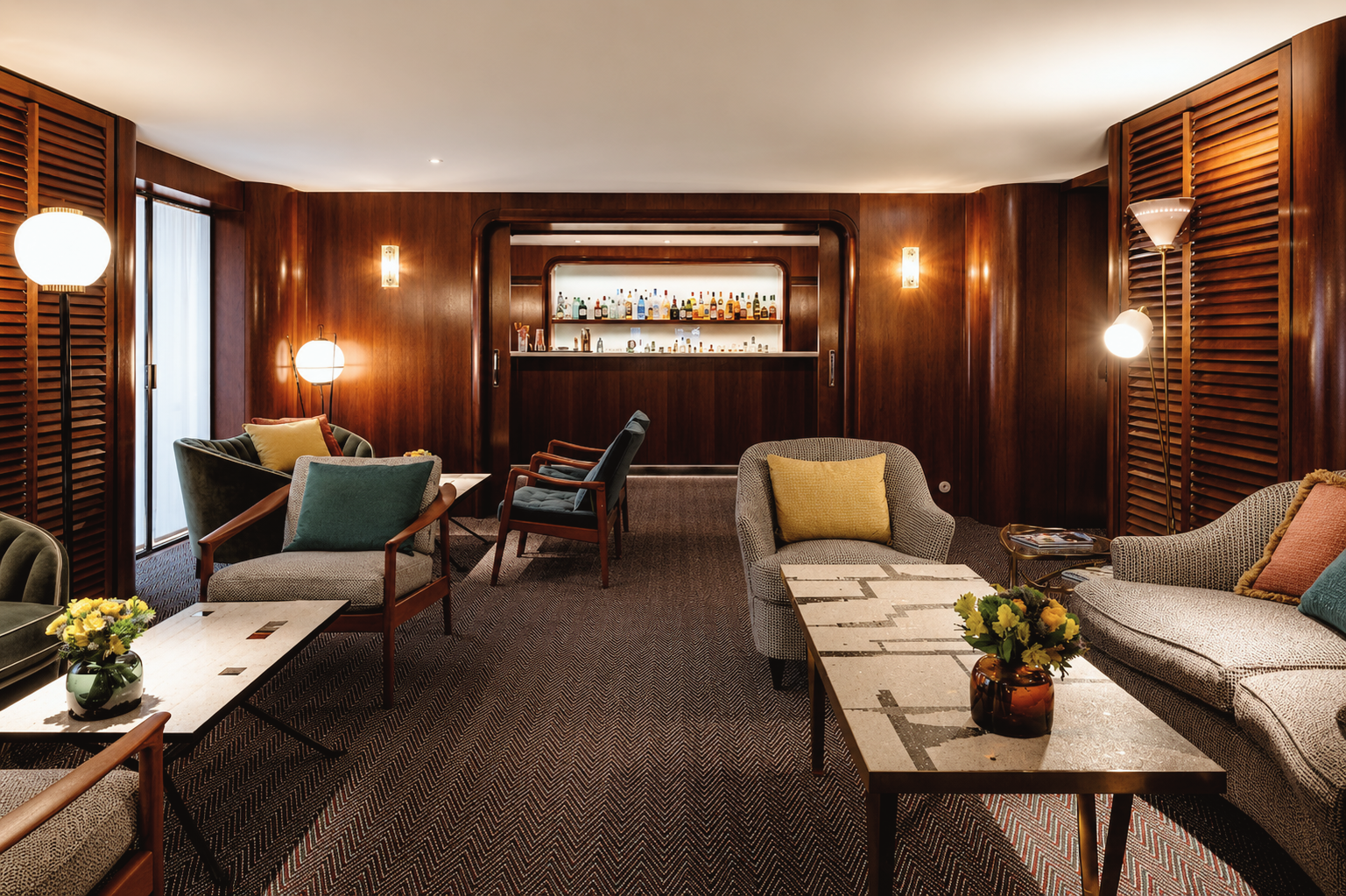
Overlooking the leafy Jardim das Amoreiras, this small boutique hotel offers a quieter, more residential way to experience Lisbon. Warm interiors and an intimate scale give it the feeling of a beautifully considered home away from home.
-
![]()
The Ivens
Bold, theatrical, and full of personality, The Ivens brings a more expressive interpretation of Lisbon luxury to the heart of Chiado. Rich interiors and an energetic social atmosphere make it a standout for travelers who prefer their stays with a little drama.
-
![]()
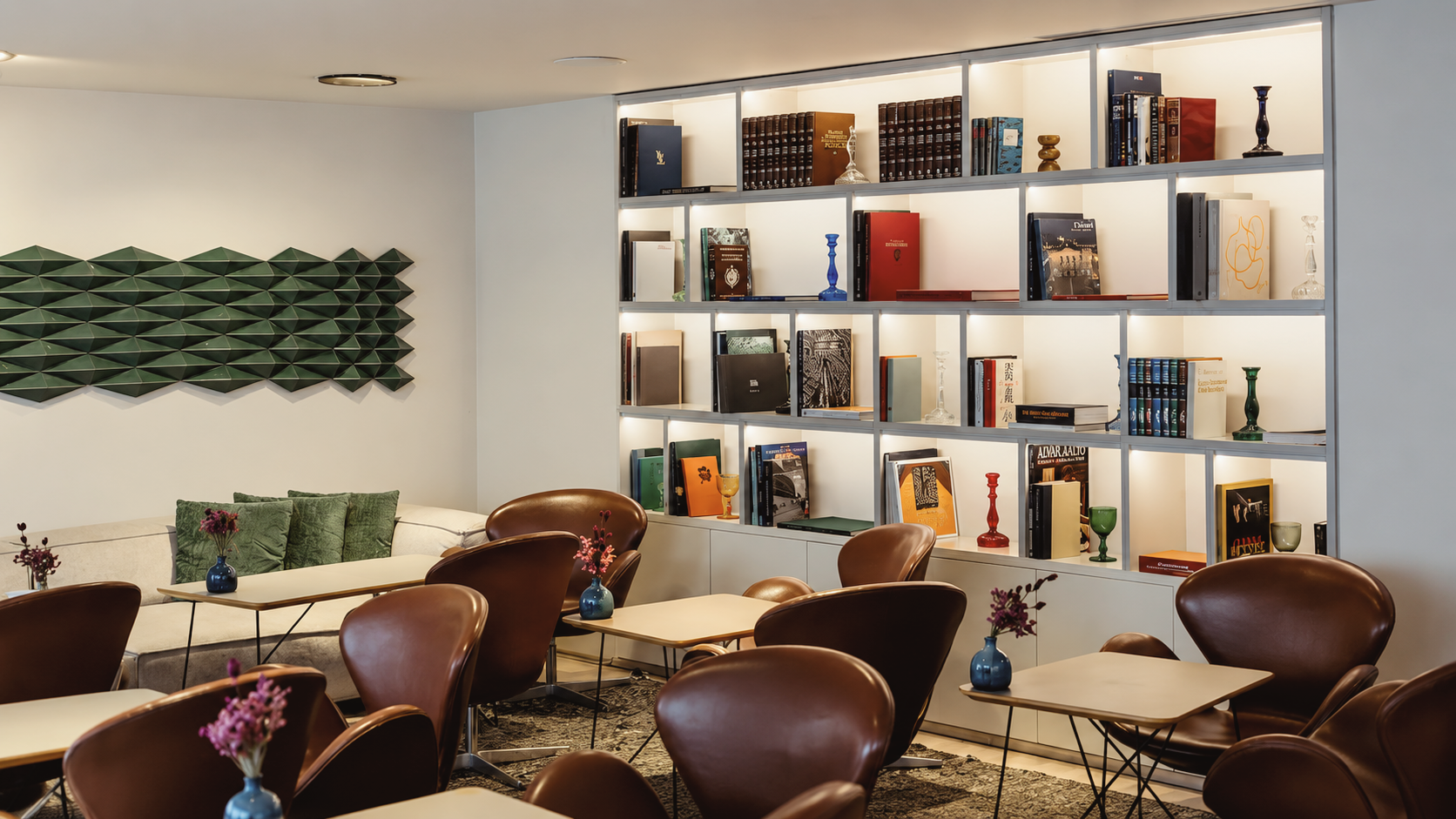
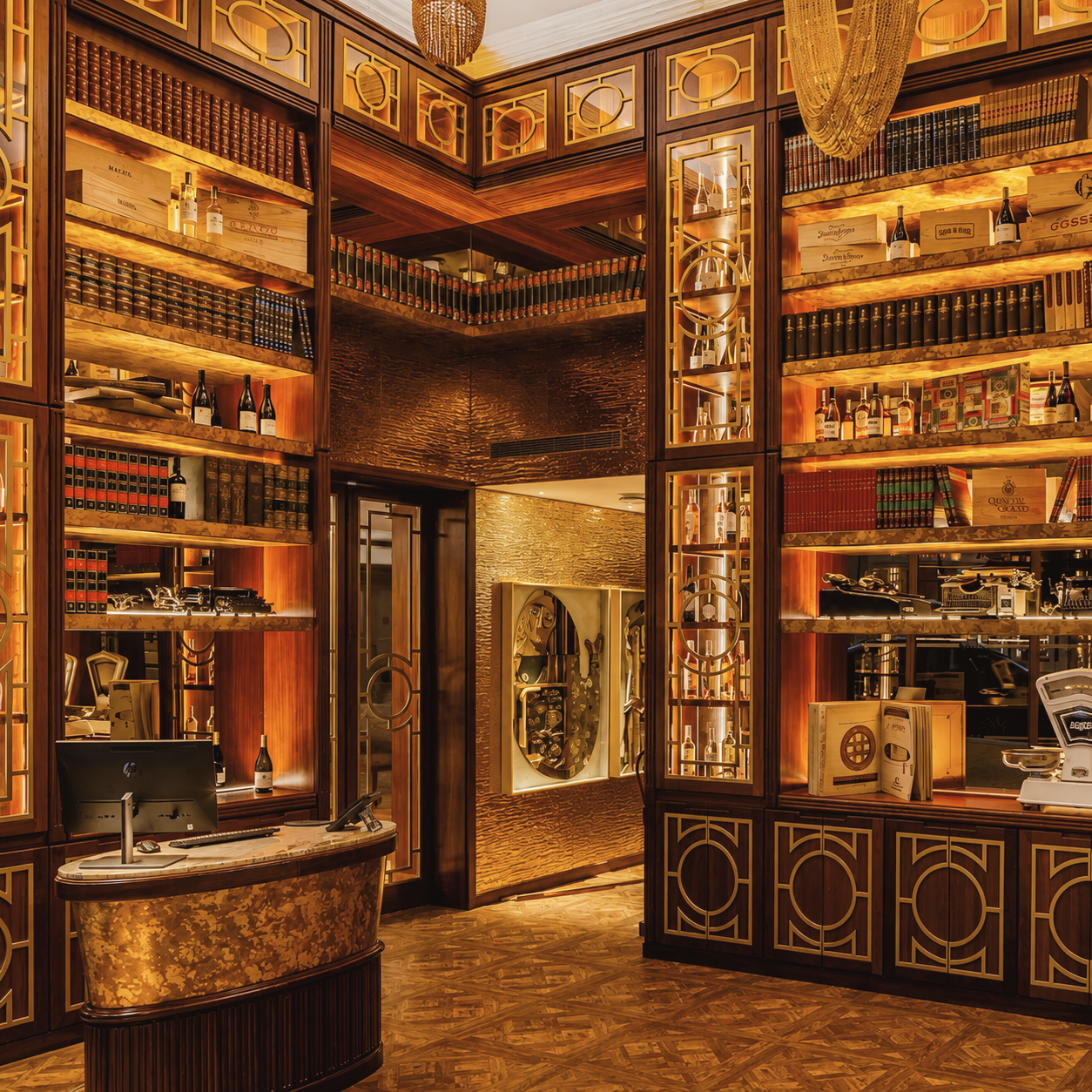
Wine & Books Lisbon
In historic Belém, Wine & Books draws inspiration from two enduring threads of Portuguese culture: its literary tradition and it’s wines. Contemporary design, Portuguese gastronomy, and proximity to some of Lisbon’s most significant monuments make it a thoughtful base for discovering the city beyond its center.
Featured Food & Wine
-
![]()
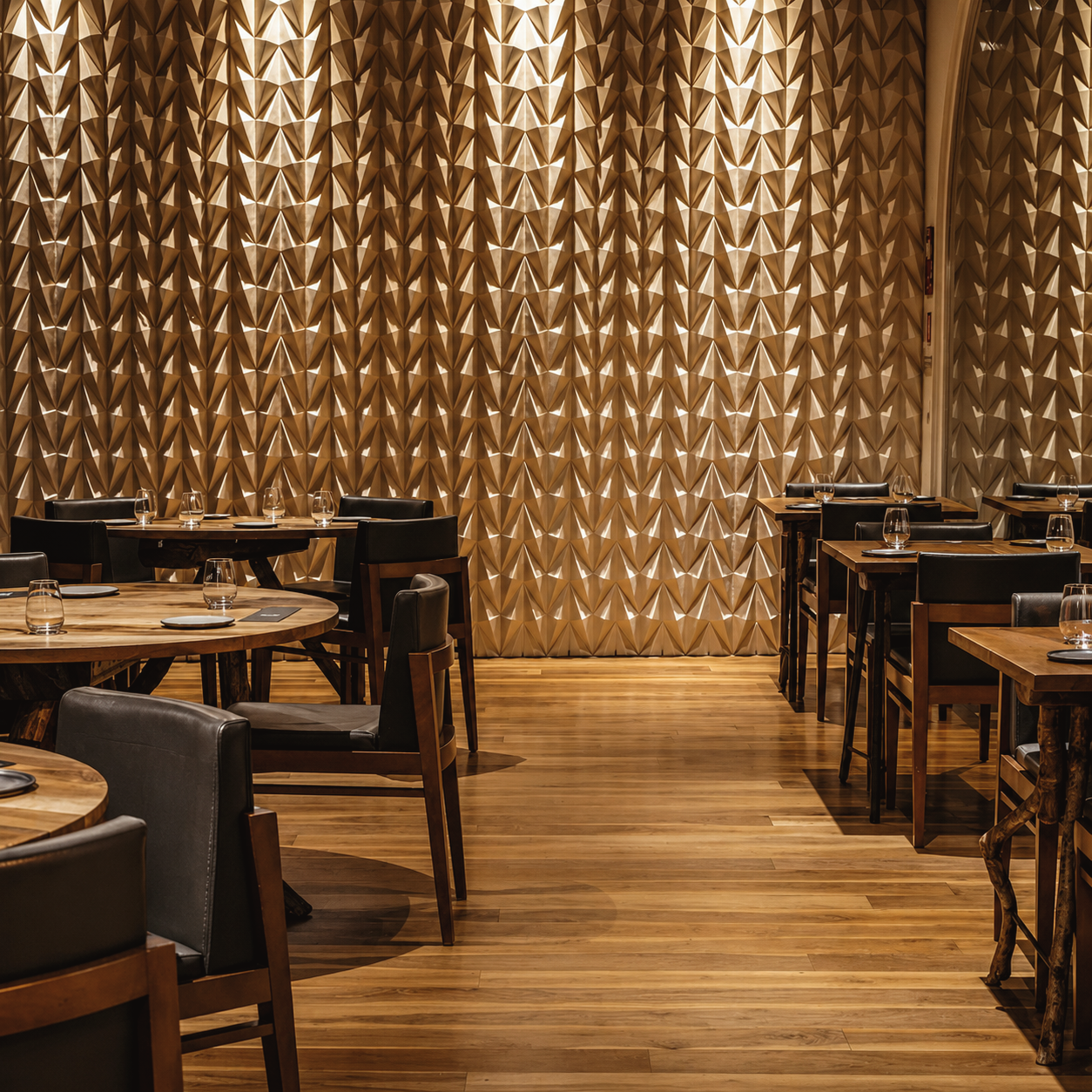
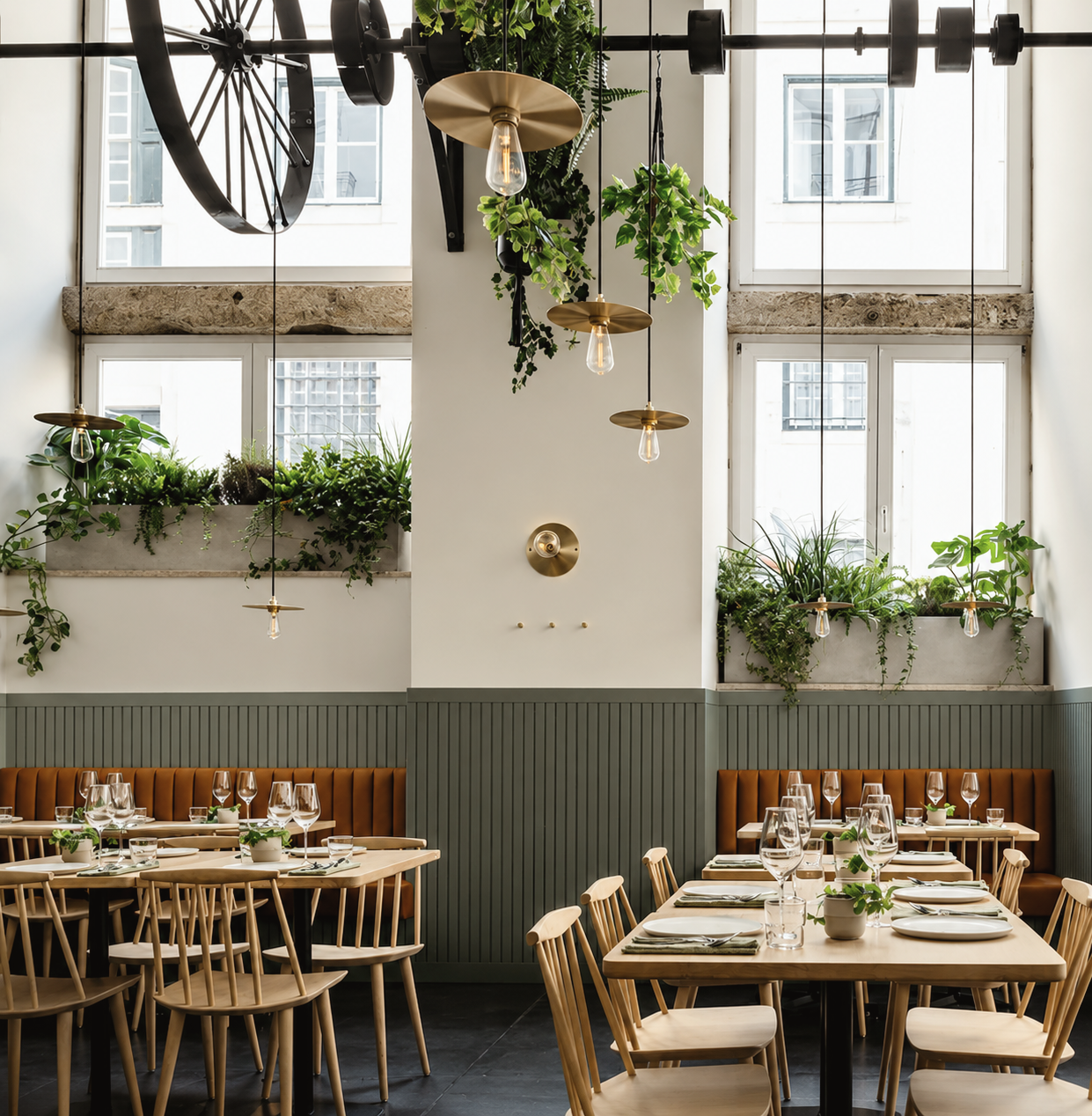
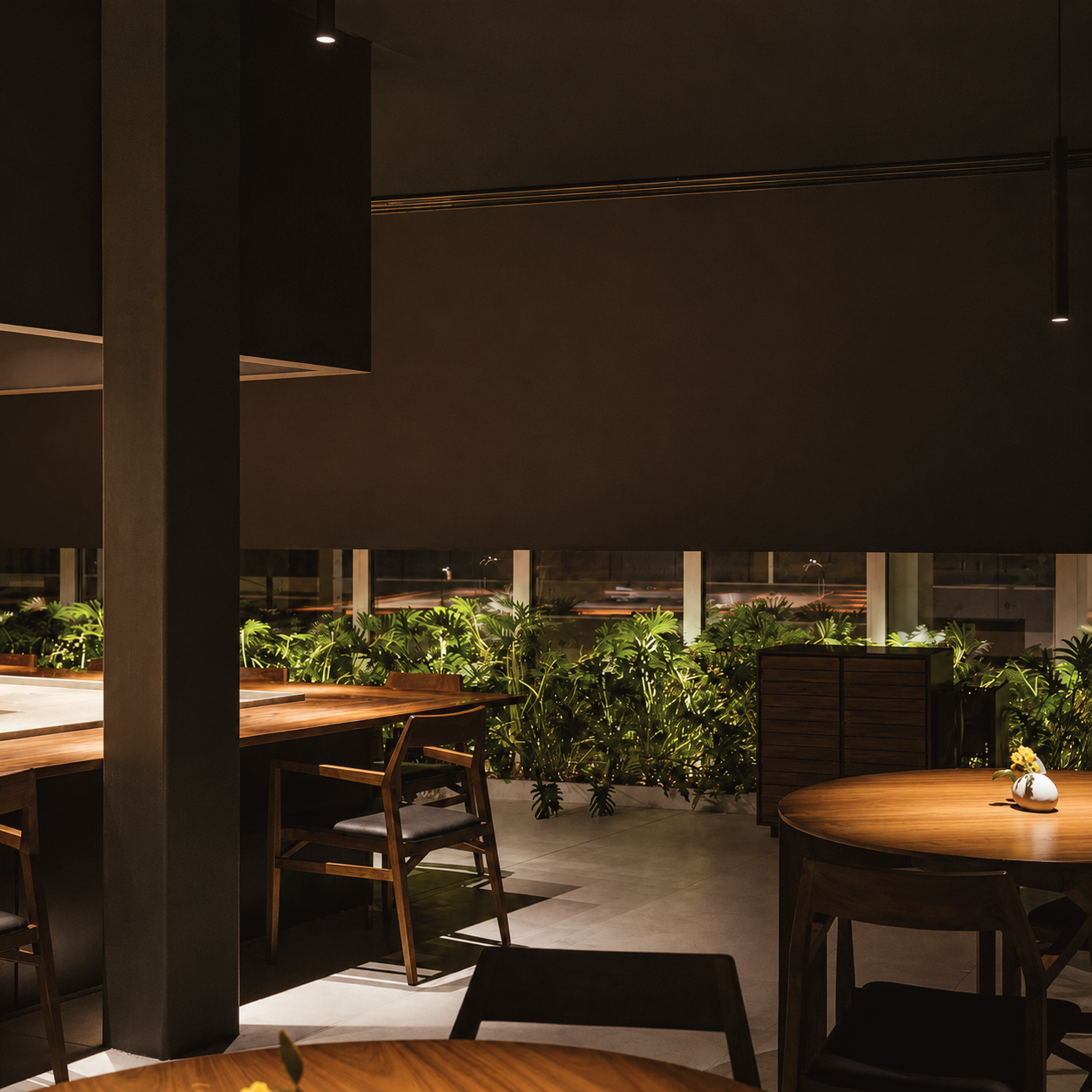
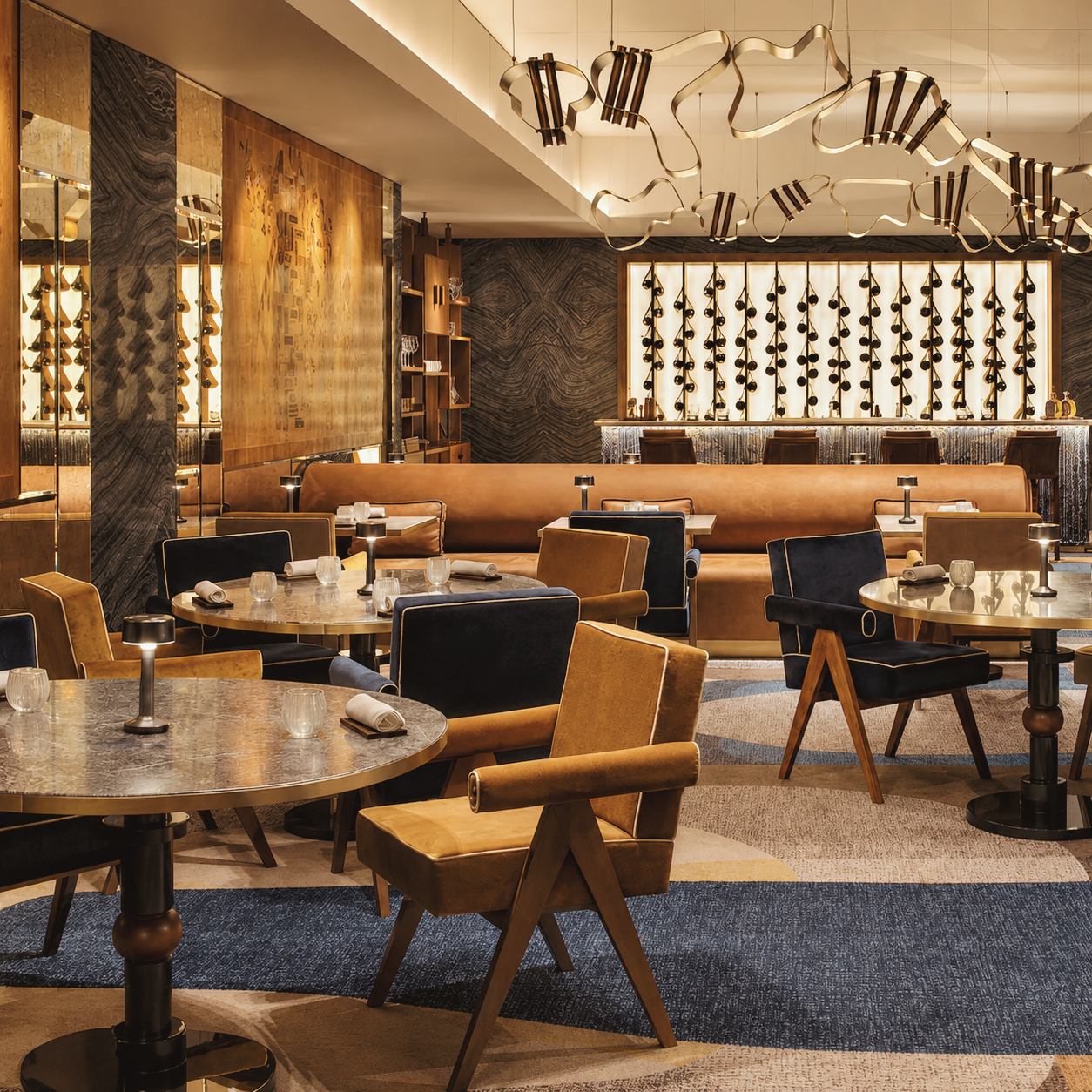
BELCANTO
A landmark of contemporary Portuguese cuisine, where chef José Avillez transforms the flavors, memories, and traditions of Portugal into an imaginative tasting experience in the heart of Chiado.
-
![]()
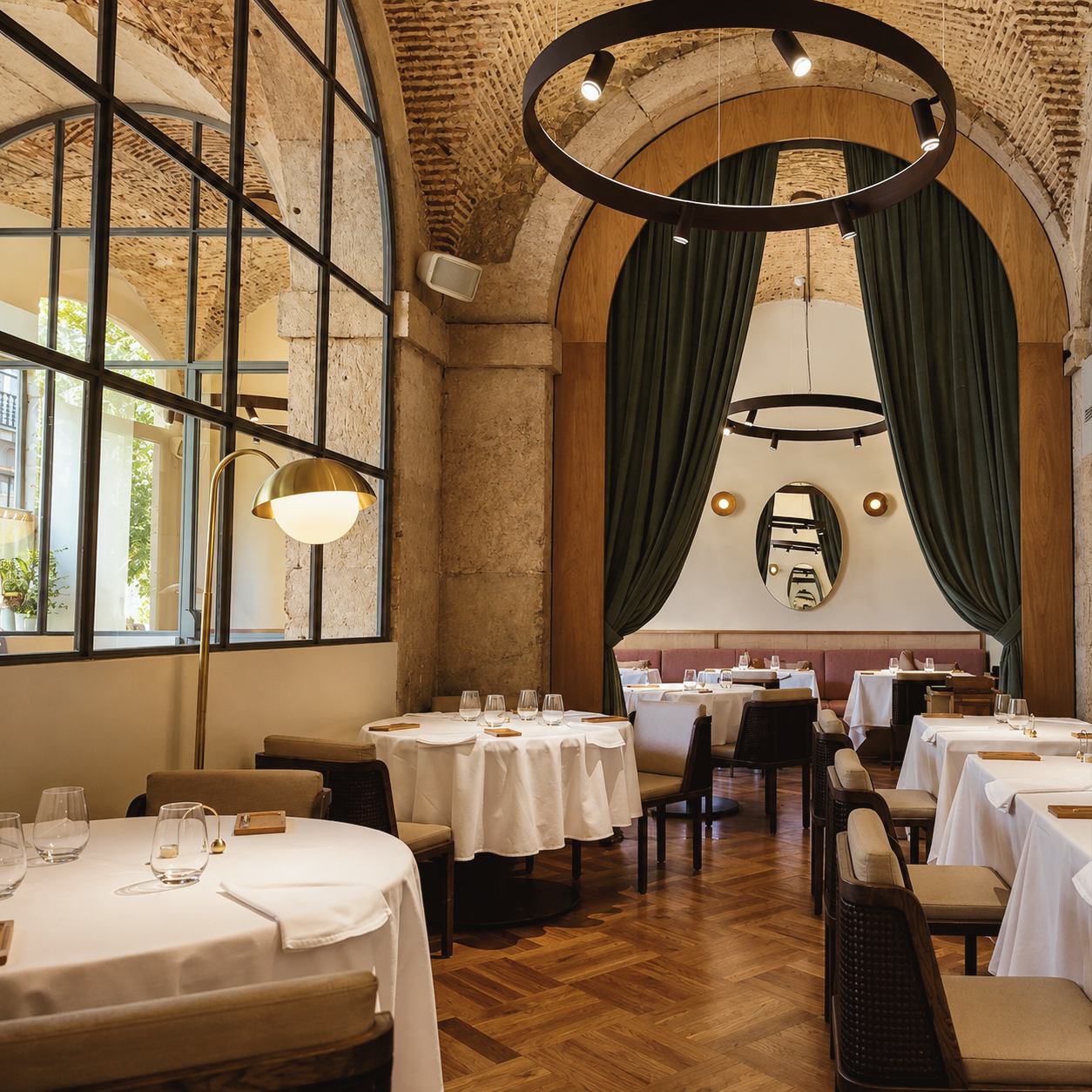
EPUR
Quietly sophisticated and deeply ingredient-led, EPUR offers an intimate dining experience where seasonal Portuguese produce is expressed with precision, restraint, and a distinctly modern point of view.
-
![]()
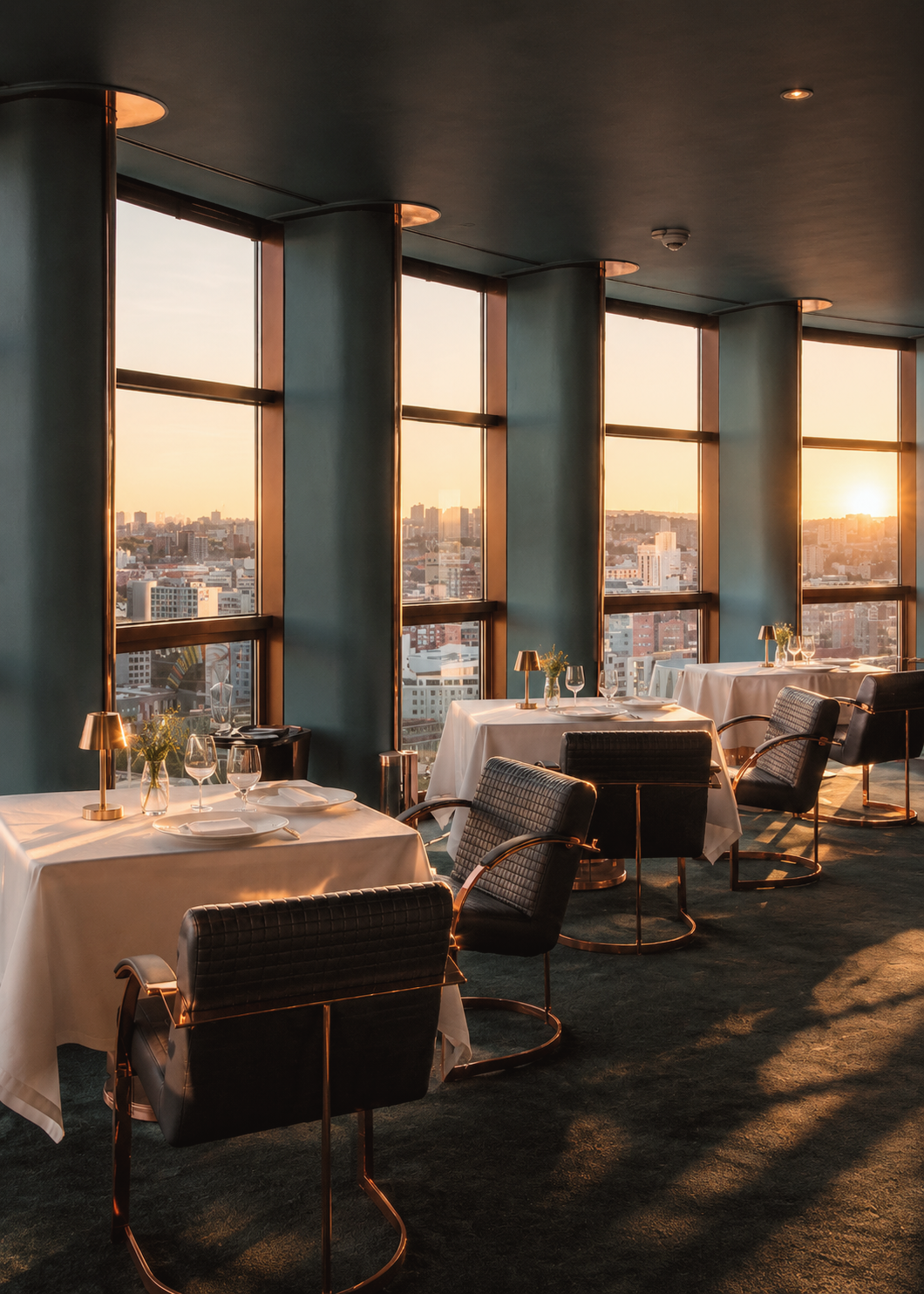
FIFTY SECONDS
Set high above the Tagus, Fifty Seconds pairs sweeping views of Lisbon with an ambitious tasting experience shaped by refined technique, beautiful ingredients, and a true sense of occasion.
-
![]()
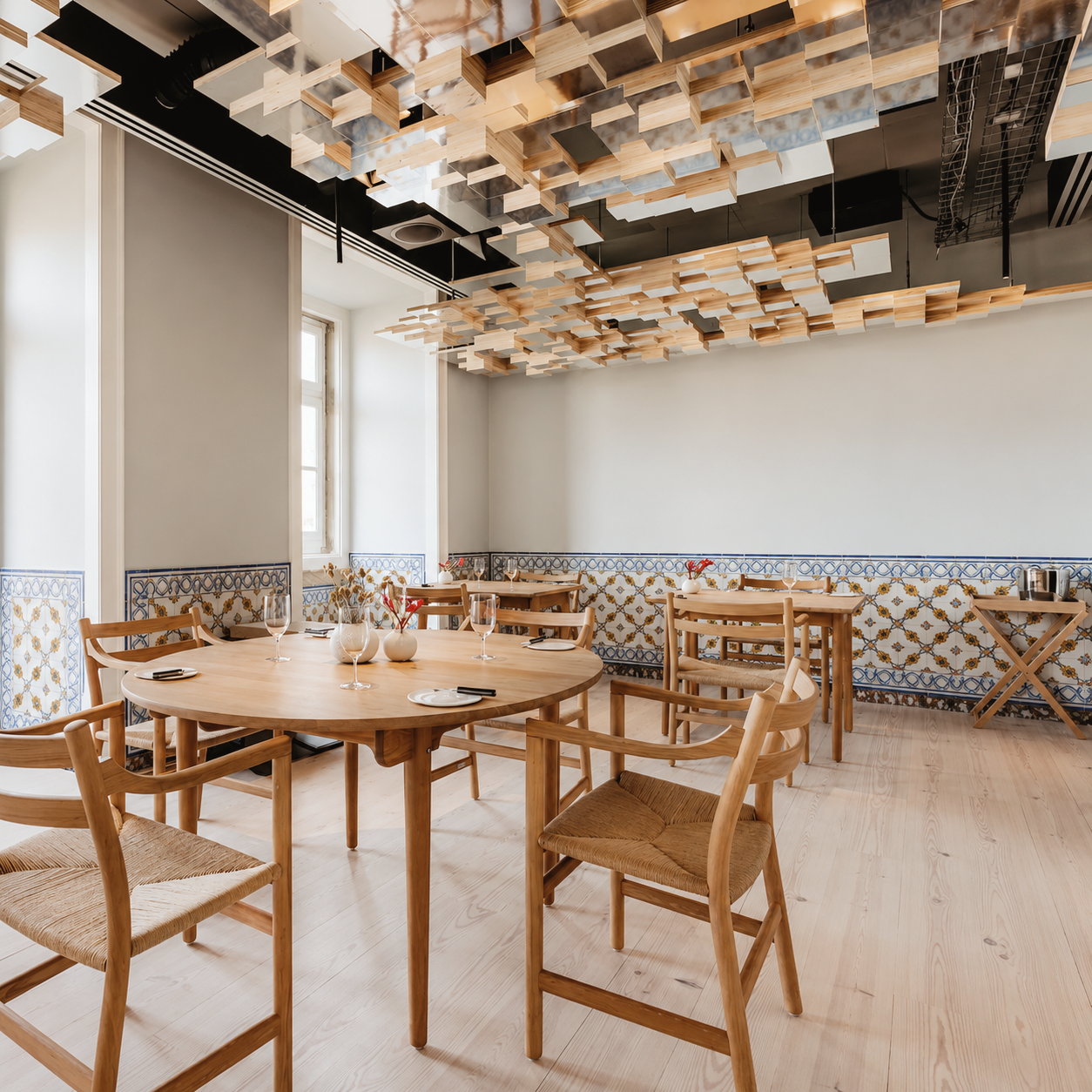
LOCO
Inventive yet rooted in place, Loco explores Portuguese ingredients and culinary traditions through an intimate tasting experience that feels expressive, unexpected, and distinctly personal.
-
![]()
PRADO
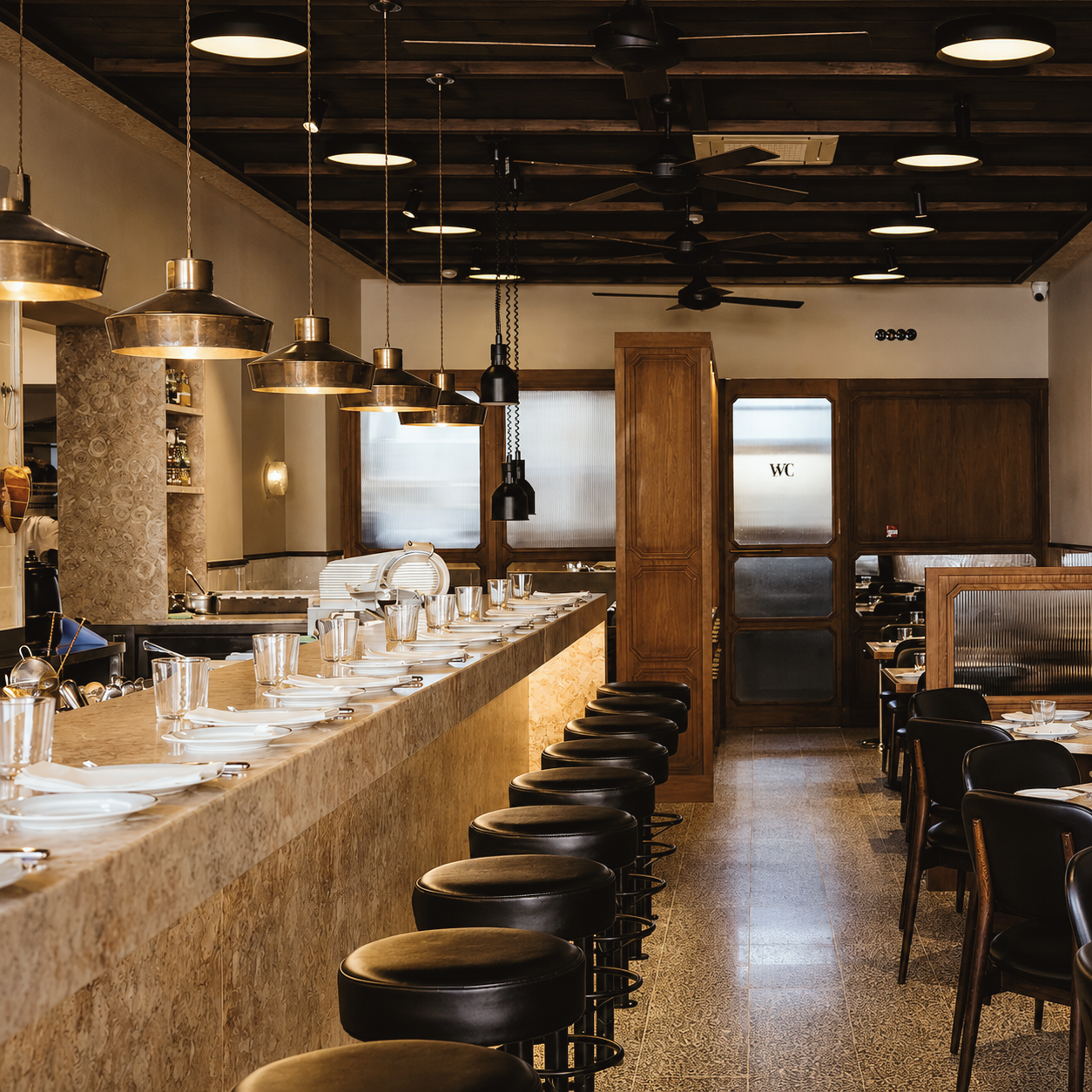
Relaxed, seasonal, and effortlessly stylish, Prado celebrates Portugal’s farmers, fishermen, and producers through vibrant dishes that let exceptional local ingredients take center stage.
-
![]()
MARLENE
Chef Marlene Vieira brings a contemporary perspective to the flavors of Portugal, weaving memory, tradition, and modern technique into an expressive experience designed to tell a story through each course.
-
![]()
CURA
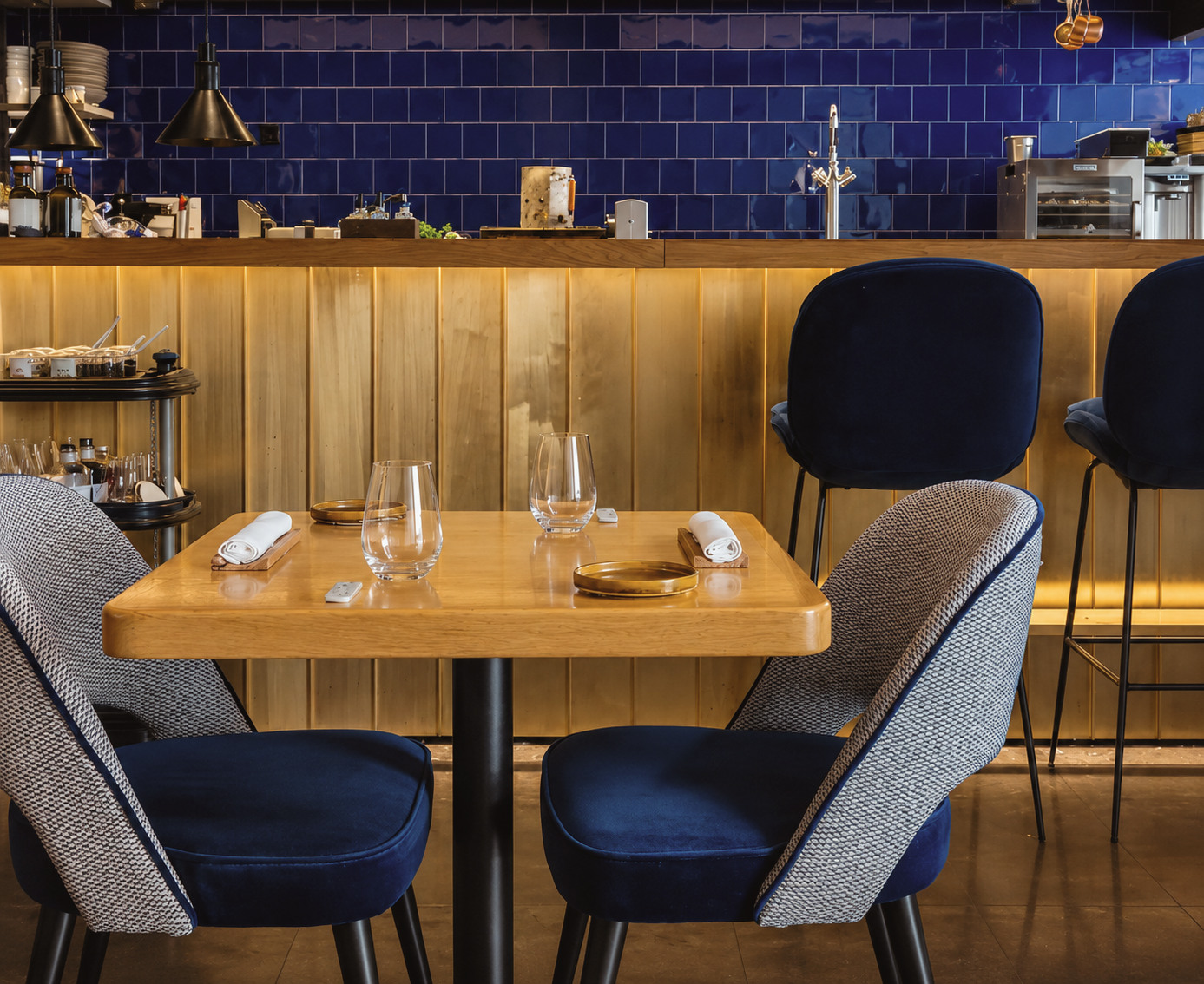
Elegant without excess, Cura approaches Portuguese ingredients with remarkable finesse, creating thoughtful tasting menus where seasonality, craftsmanship, and subtle creativity define the experience.
-
![]()
CANALHA
Lively, confident, and unmistakably Lisbon, Canalha brings a fresh perspective to the neighborhood restaurant—pairing exceptional Portuguese produce with unfussy cooking and an energetic, convivial atmosphere.
-
![]()
JNcQUOI AVENIDA
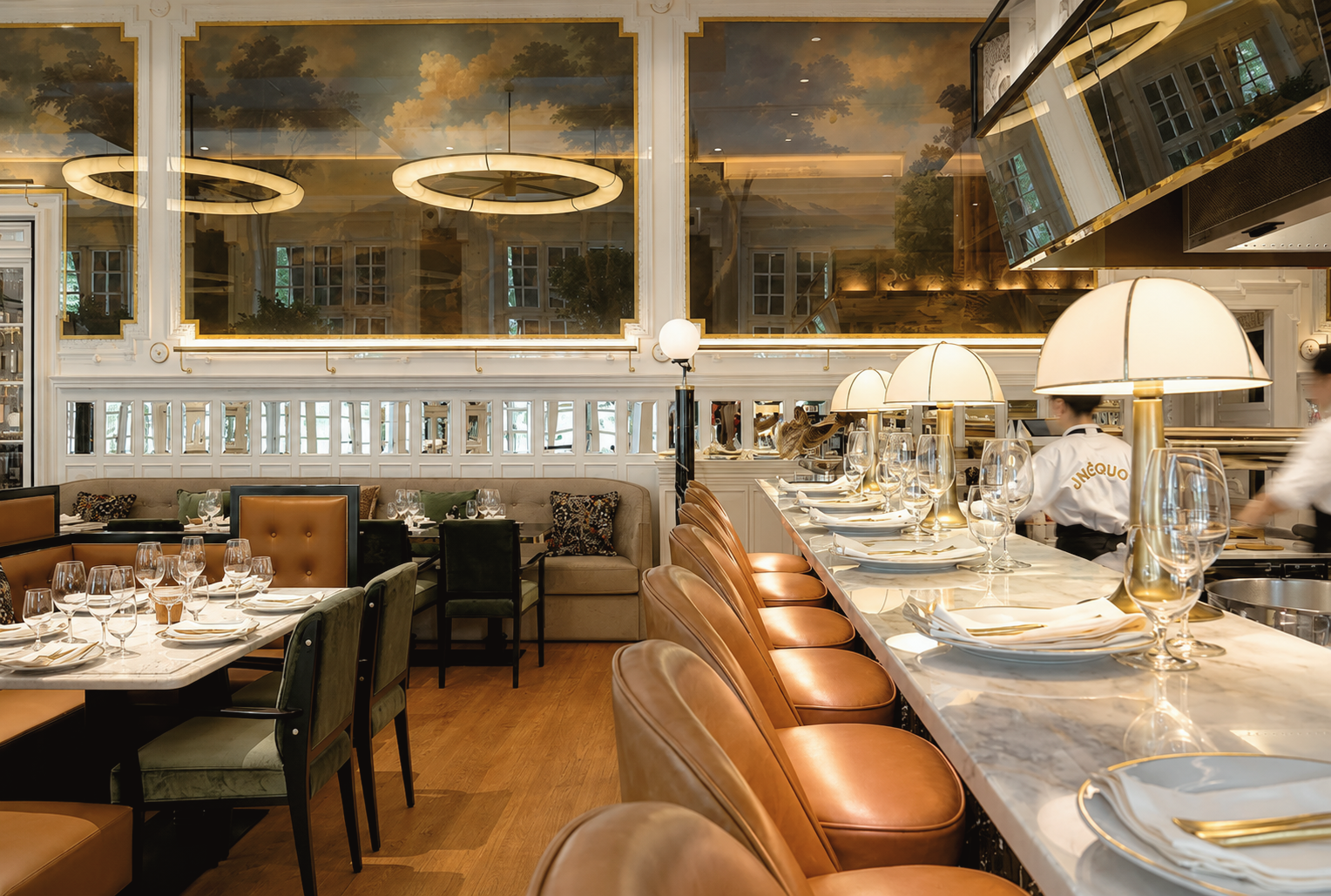
A glamorous address on Avenida da Liberdade, JNcQUOI blends sophisticated interiors, international influences, and Lisbon’s unmistakable social energy into a polished dining experience made for a long lunch or elegant evening.
-
![]()
SÁLA DE JOÃO SÁ
Thoughtful and quietly expressive, SÁLA places exceptional Portuguese ingredients at the heart of the experience, allowing seasonality, provenance, and chef João Sá’s refined perspective to guide each dish.
A Soverra Moment
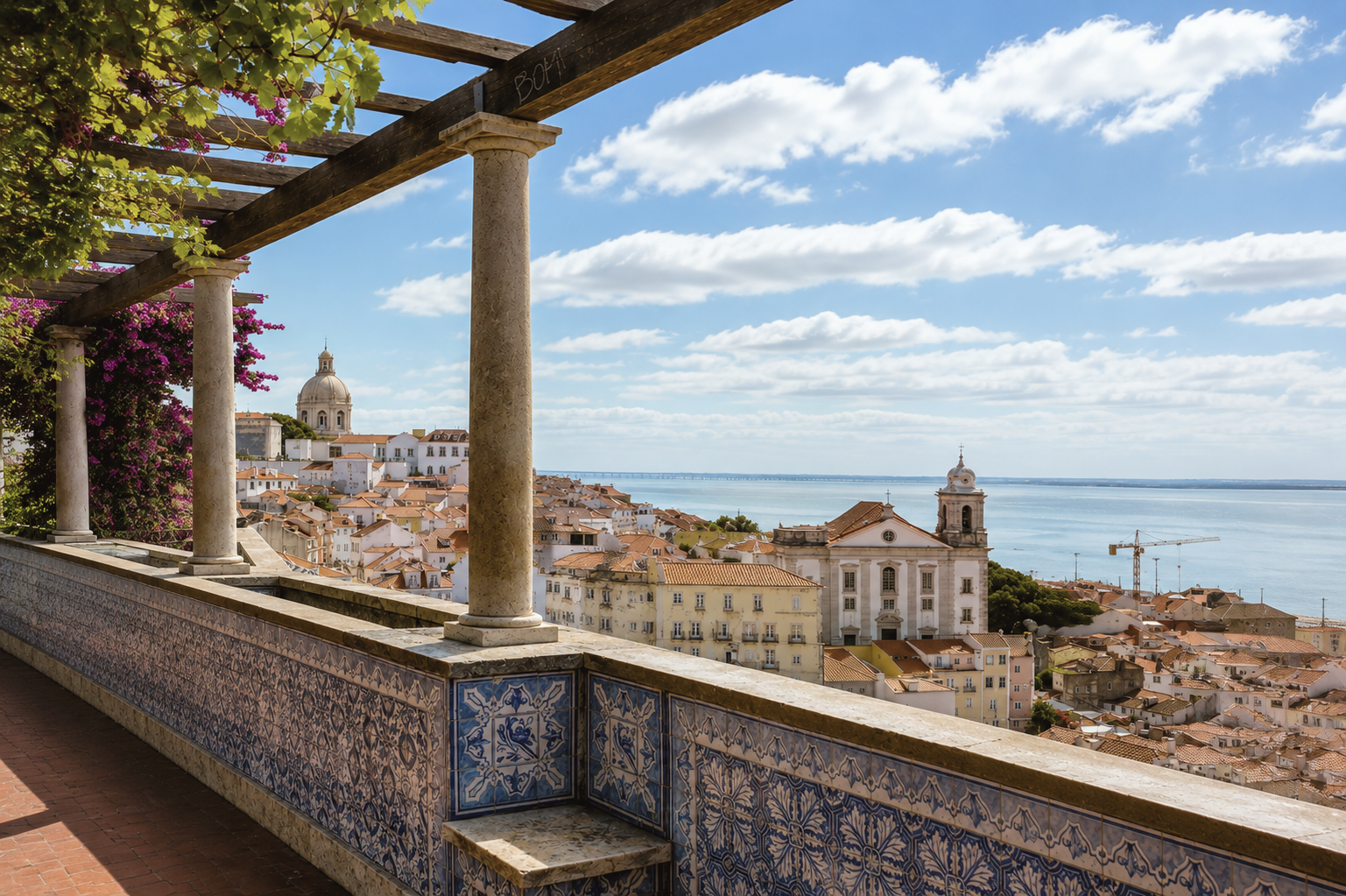
Find a quiet terrace above the Tagus as the afternoon begins to fade. Order a glass of Portuguese wine, watch the last light turn Lisbon’s rooftops gold, and stay as the city slowly illuminates below. No agenda. Nowhere else to be. Just Lisbon, lingering a little longer.
Frequently Asked Questions
-
Absolutely. Lisbon is one of Europe's most rewarding cities, blending centuries of history with an effortlessly modern lifestyle. From riding historic yellow trams through Alfama to sipping wine at sunset overlooking the Tagus River, every neighborhood offers something different. It's a city best experienced slowly—lingering over long lunches, wandering tiled streets, and discovering viewpoints that never feel crowded.
-
We recommend 3–5 days to experience Lisbon at its best. That gives you time to explore neighborhoods like Alfama, Chiado, and Belém, enjoy the city's vibrant food and wine scene, and still leave room for spontaneous discoveries. If your schedule allows, add an extra day for a trip to Sintra or the nearby beaches along the Cascais coast.
-
Compared to many Western European capitals, Lisbon offers exceptional value. Boutique hotels, memorable dining experiences, and world-class wine are often more affordable than cities like Paris, London, or Amsterdam. While luxury experiences certainly exist, Lisbon is a destination where thoughtful travelers can enjoy exceptional quality without stretching their budget.
-
Lisbon uses the euro (€), as Portugal is part of the Eurozone. Credit cards are widely accepted at hotels, restaurants, and shops, though carrying a small amount of cash is useful for traditional cafés, markets, and smaller local establishments.
-
Lisbon’s main airport is Humberto Delgado Airport (LIS), located just a few miles from the city center. Its convenient location makes reaching central Lisbon relatively easy, with taxis, rideshares, private transfers, and the Metro all available for the journey into the city.
-
Yes. Lisbon is one of Europe's best cities to explore on foot. Each neighborhood has its own personality, and wandering between viewpoints, cafés, and historic streets is part of the experience. Keep in mind that Lisbon is famously hilly, so expect a few steep climbs. Fortunately, the city's iconic trams, funiculars, and metro make it easy to give your legs a break.
-
No. For most visitors, a car is more of a hassle than a help. Lisbon's neighborhoods are best explored on foot and by using the city's excellent network of trams, metro, rideshares, and trains. If you're planning day trips to Sintra, Cascais, or nearby wine regions, public transportation is convenient, though renting a car can offer added flexibility for exploring beyond the city.
-
Spring (April–June) and early fall (September–October) are our favorite times to visit. Expect warm, sunny days, comfortable temperatures, and fewer crowds than the peak summer season. Summer brings vibrant festivals and long evenings, while winter offers a quieter, more local atmosphere with mild weather compared to much of Europe. No matter the season, Lisbon's light, food, and timeless charm make it a destination worth visiting year-round.
-
Yes. Lisbon is widely considered one of Europe's safest capital cities and is an easy destination for first-time visitors. Like any popular city, it's wise to stay aware of your surroundings, especially on crowded trams and in busy tourist areas where pickpocketing can occur. With common-sense precautions, you'll find Lisbon to be welcoming, relaxed, and comfortable to explore day and night.
-
It depends on the experience you're looking for. Chiado offers elegant shopping, cafés, and a central location, while Príncipe Real is perfect for boutique hotels, design shops, and a quieter atmosphere. Alfama immerses you in Lisbon's historic charm with winding streets and incredible viewpoints, and Belém is ideal for travelers who prefer riverside walks, museums, and iconic landmarks. For most first-time visitors, we recommend staying in Chiado or Príncipe Real for the best balance of convenience, culture, and local character.
-
Yes. English is widely spoken throughout Lisbon, especially in hotels, restaurants, cafés, and attractions. Most visitors have no trouble navigating the city without speaking Portuguese. That said, learning a few simple phrases like Olá (Hello), Obrigado (Thank you — masculine) or Obrigada (Thank you — feminine), and Por favor (Please) is always appreciated and adds a thoughtful touch to your experience.
SOVERRA CONCIERGE
Lisbon, curated around you
Thoughtful stays, memorable tables, cultural experiences, and the details in between—brought together into a journey shaped entirely around the way you want to travel.