DESTINATIONS
budapest, hungary
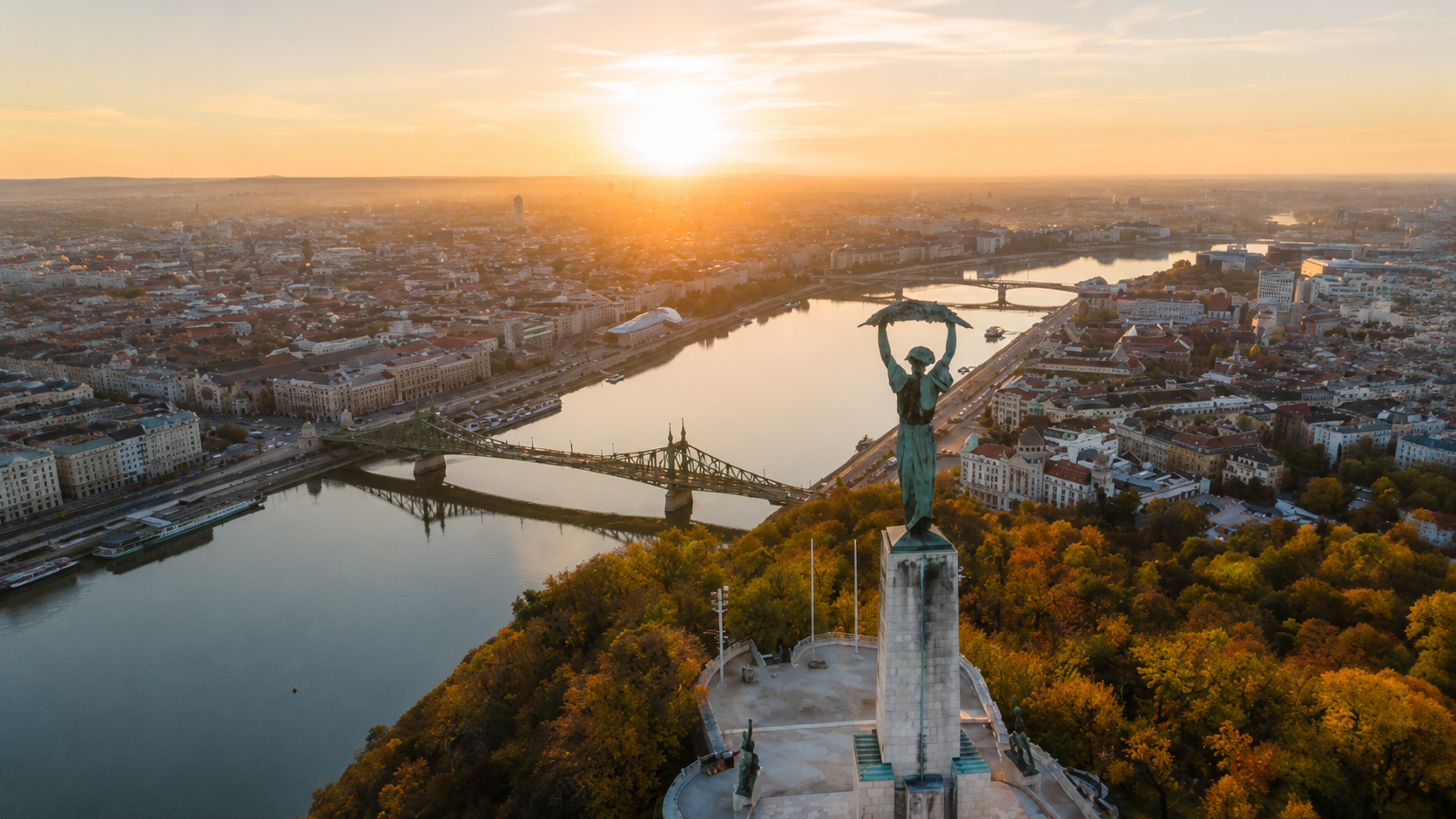
Along the Danube, Budapest unfolds in layers of grand architecture, thermal traditions, historic cafés, and a quietly evolving creative spirit. A city shaped by contrast, best discovered slowly and experienced beyond the landmarks.
The Soverra Take
BUDAPEST IS A CITY OF CONTRASTS—WHERE HISTORY, CREATIVITY, AND EVERYDAY LIFE EXIST SIDE BY SIDE.
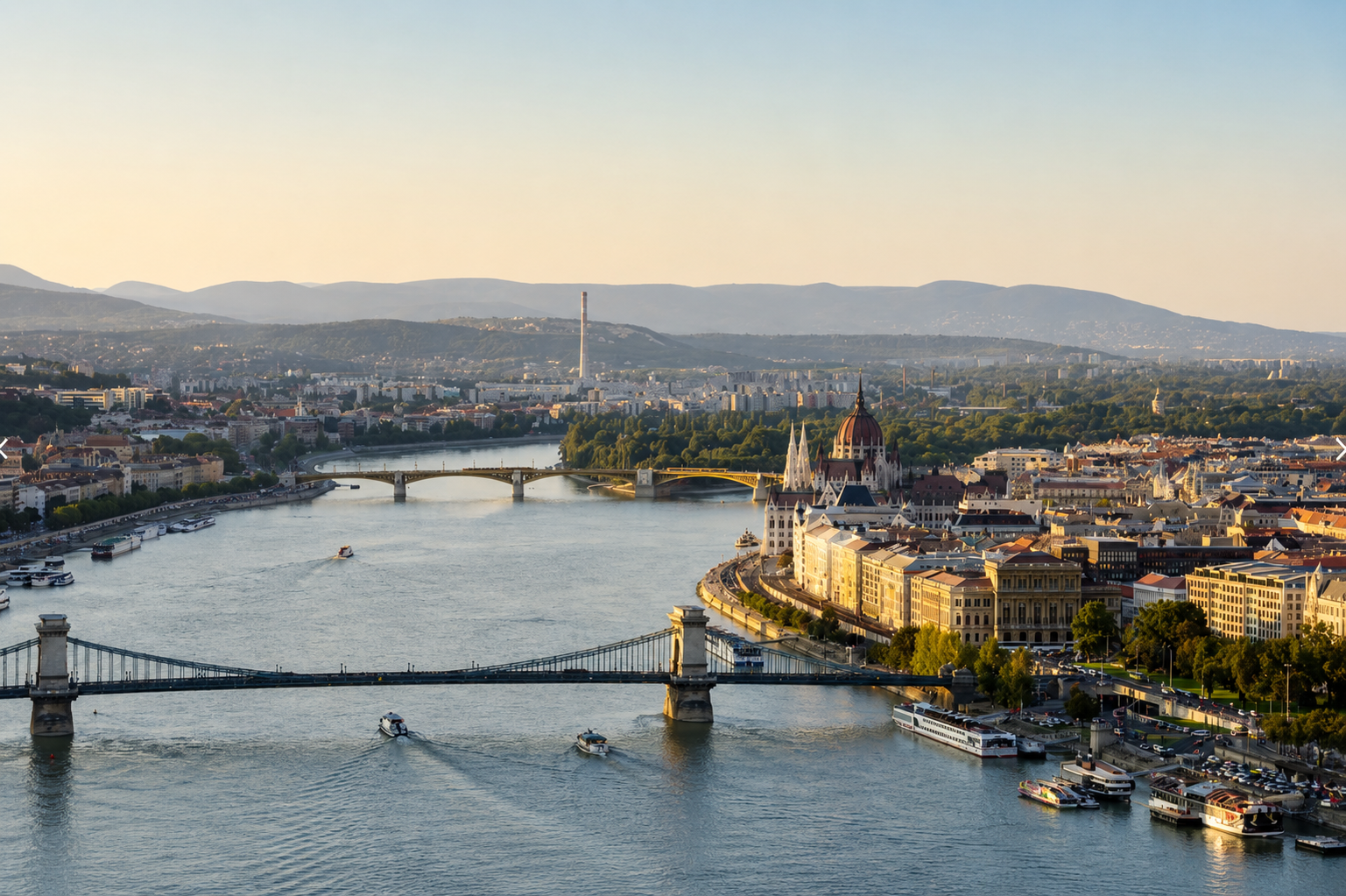
Budapest is a city that draws you into its rhythm—slow mornings in thermal waters, afternoons wandering grand boulevards, and evenings watching the lights shimmer across the Danube. It’s a place to linger, to look closer, and to discover a beauty that feels at once storied, soulful, and entirely its own.
About budapest
Shaped by centuries of Roman, Ottoman, and Austro-Hungarian influence, Budapest is a city where layers of history remain woven into everyday life. Divided by the Danube and united in 1873, the once-separate cities of Buda, Óbuda, and Pest reveal distinct characters through hilltop castles, grand boulevards, Art Nouveau façades, historic cafés, and enduring thermal-bath traditions. Beyond its architectural grandeur, Hungarian culture comes alive through classical music, neighborhood markets, distinctive cuisine and wine, and a creative scene that continues to reinterpret the city’s heritage. Together, these traditions and influences have shaped a capital that feels unmistakably European yet deeply, distinctly Hungarian.
Neighborhood Guide
-
![Castle District in Budapest, Hungary, with historic architecture, cobblestone streets, Buda Castle, and views across the Danube toward Pest.]()
CASTLE DISTRICT
Cobblestone lanes, medieval façades, and some of Budapest’s most storied landmarks define this hilltop quarter. Wander between Buda Castle, Matthias Church, and quiet residential streets, pausing for sweeping views across the river to Pest.
-
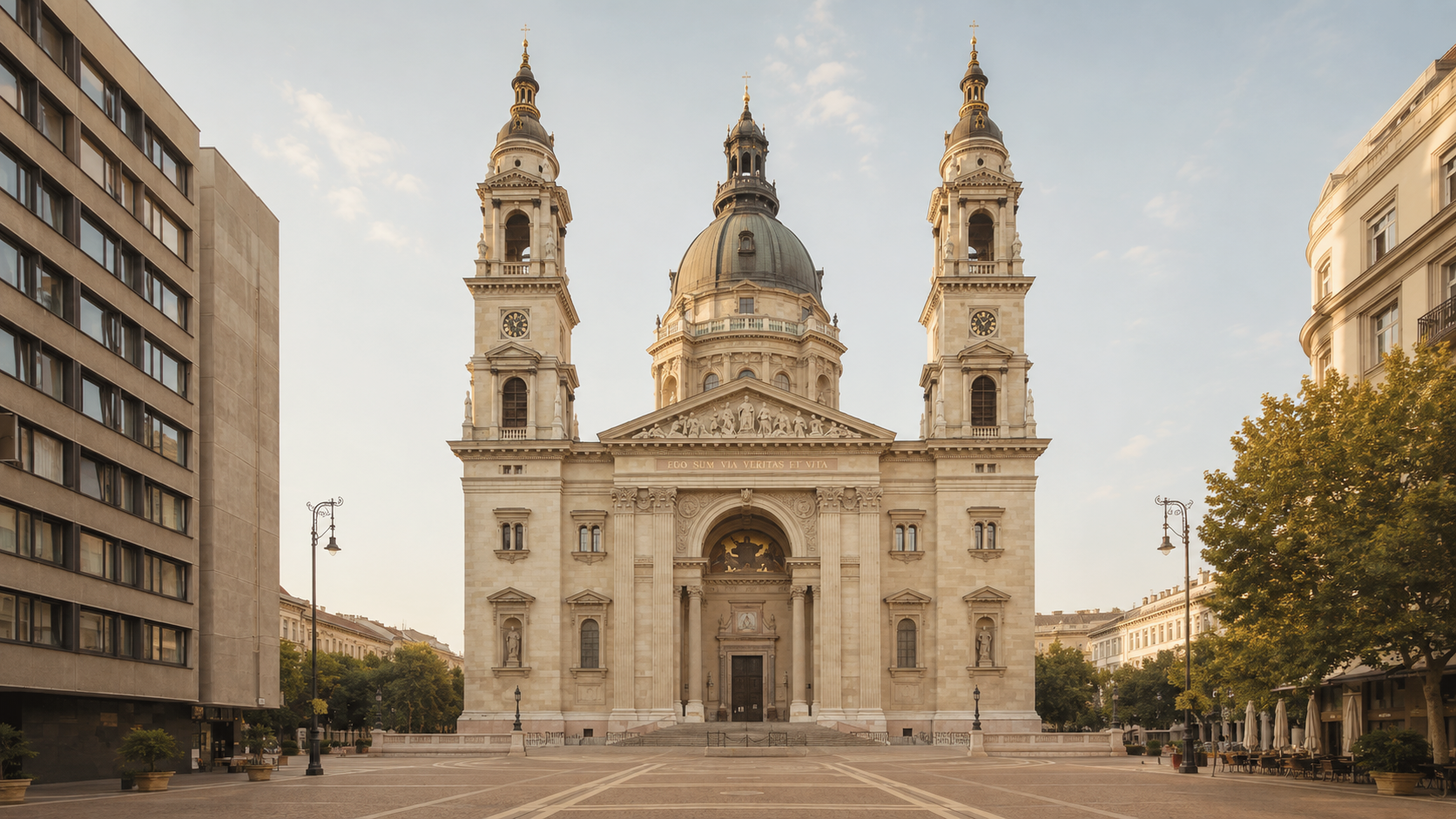
![Lipótváros district in Budapest, Hungary, home to the Hungarian Parliament, St. Stephen’s Basilica, elegant architecture, and the Danube waterfront.]()
LIPÓTVÁROS
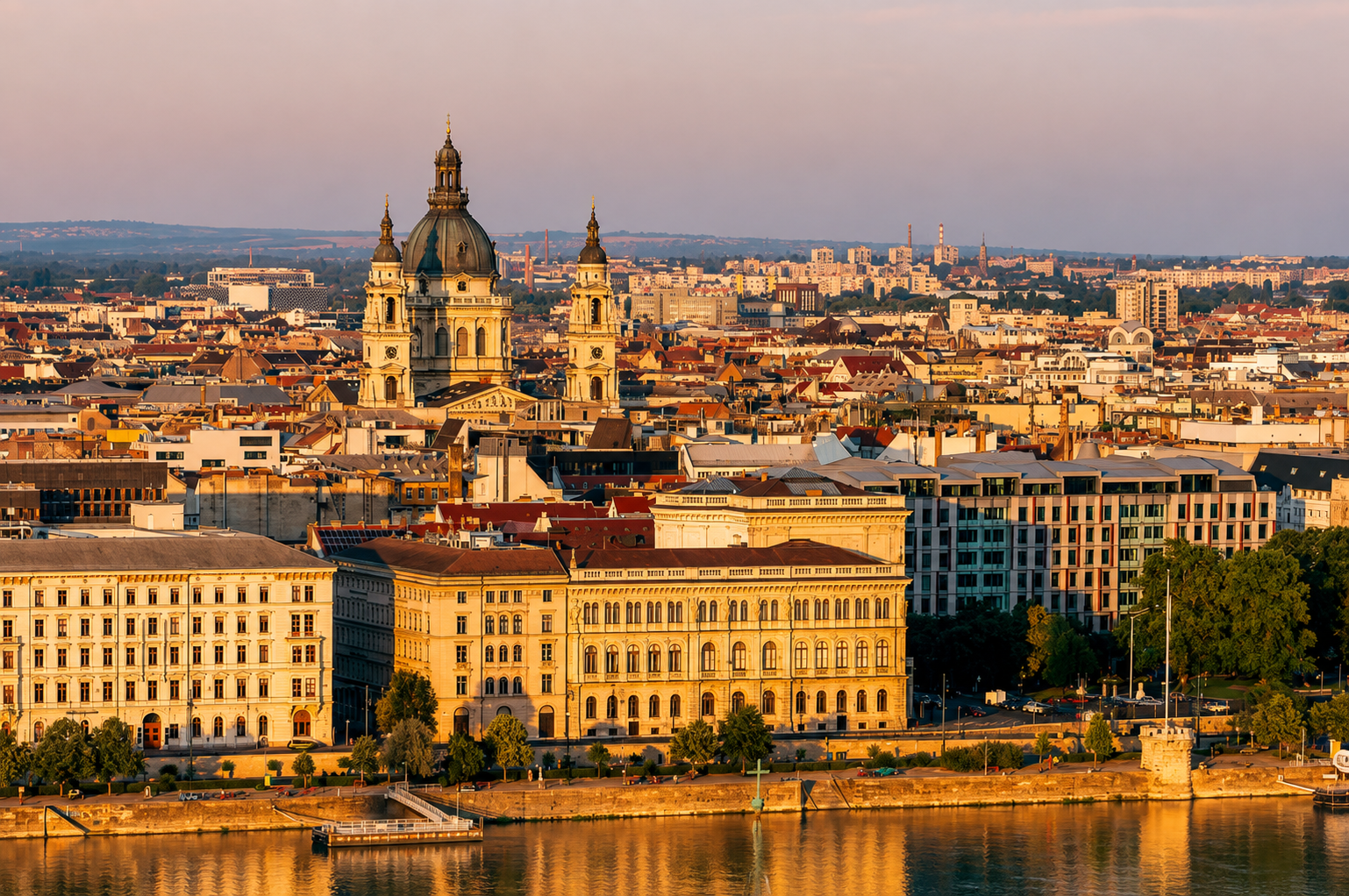
Grand architecture, leafy squares, and the Danube come together in one of the city’s most refined central neighborhoods. Home to the Hungarian Parliament and St. Stephen’s Basilica, Lipótváros pairs monumental beauty with polished cafés, restaurants, and riverside walks.
-
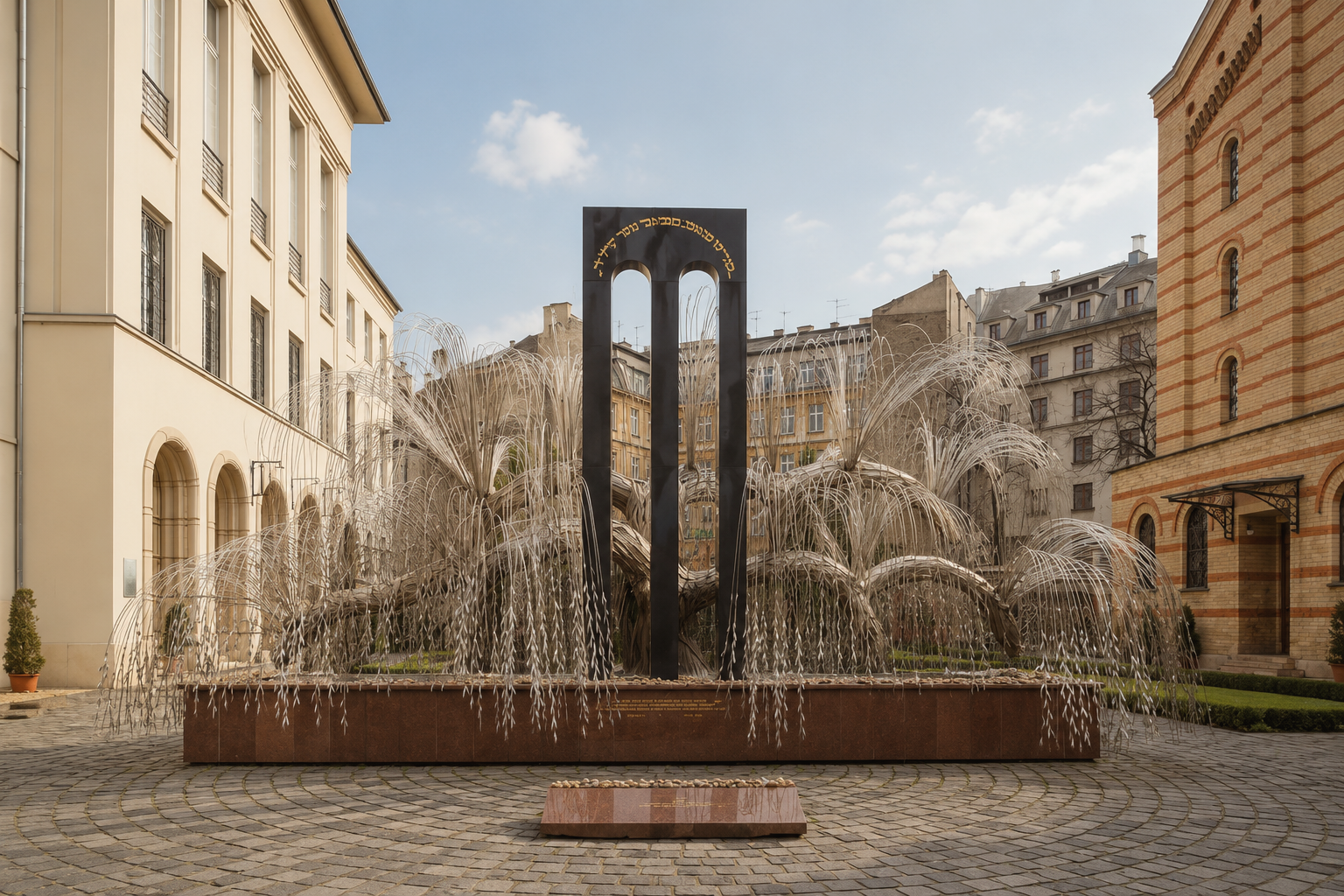
![Erzsébetváros Jewish Quarter in Budapest, Hungary, known for historic architecture, synagogues, cafés, wine bars, and vibrant neighborhood streets.]()
ERZSÉBETVÁROS (JEWISH QUARTER)
Budapest’s historic Jewish Quarter is a compelling mix of heritage and contemporary city life, where synagogues and timeworn courtyards sit alongside independent restaurants, wine bars, galleries, and design-led spaces. Lively yet deeply rooted, it reveals one of the city’s most culturally layered sides.
-
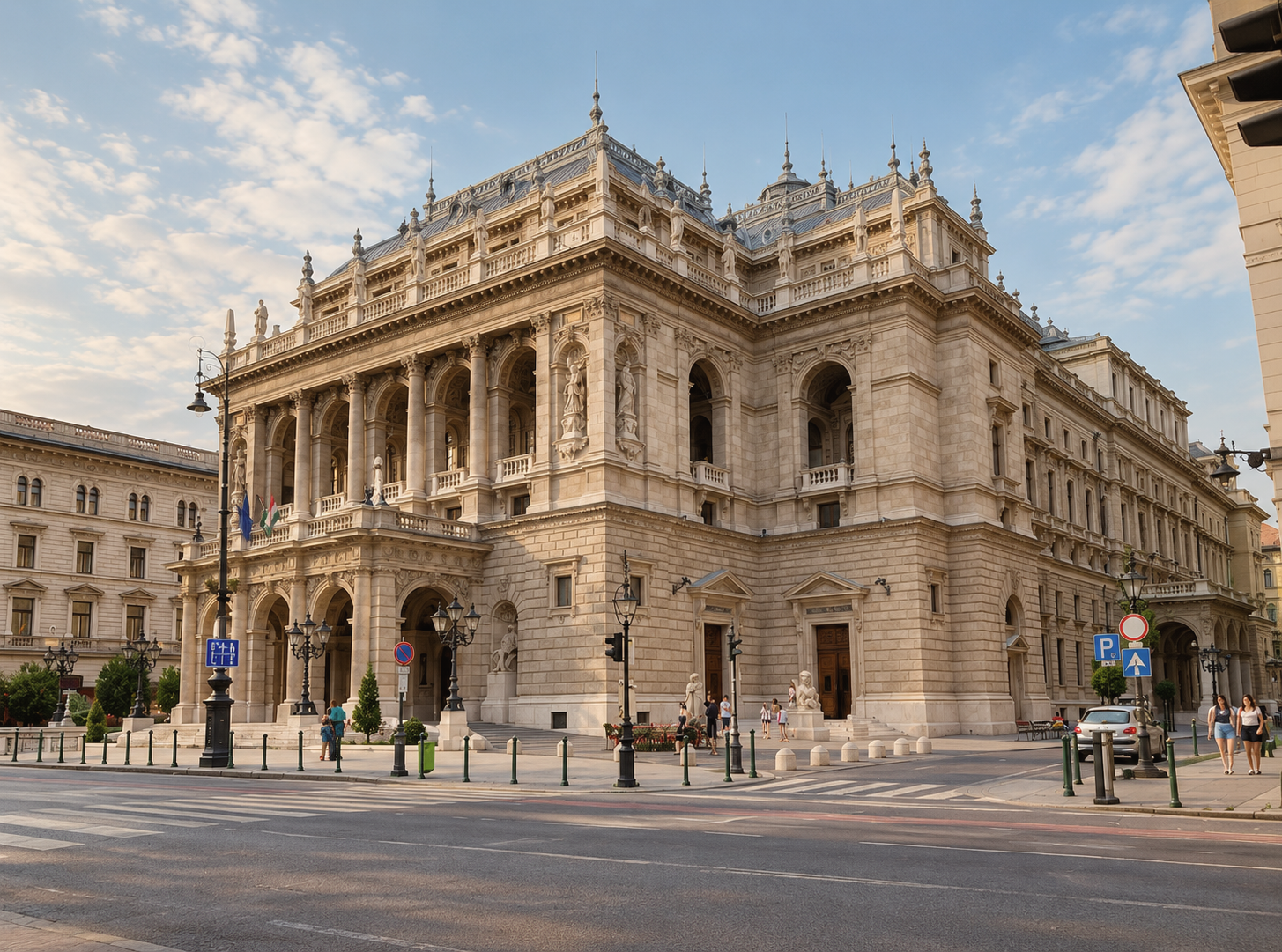
![Terézváros district in Budapest, Hungary, featuring elegant Andrássy Avenue, historic architecture, cafés, theaters, and the Hungarian State Opera House.]()
TERÉZVÁROS
Centered around elegant Andrássy Avenue, Terézváros brings together Budapest’s artistic heritage, Neo-Renaissance architecture, theaters, cafés, and the Hungarian State Opera. It is an ideal quarter for discovering the city through architecture, performance, and long, unhurried walks.
-
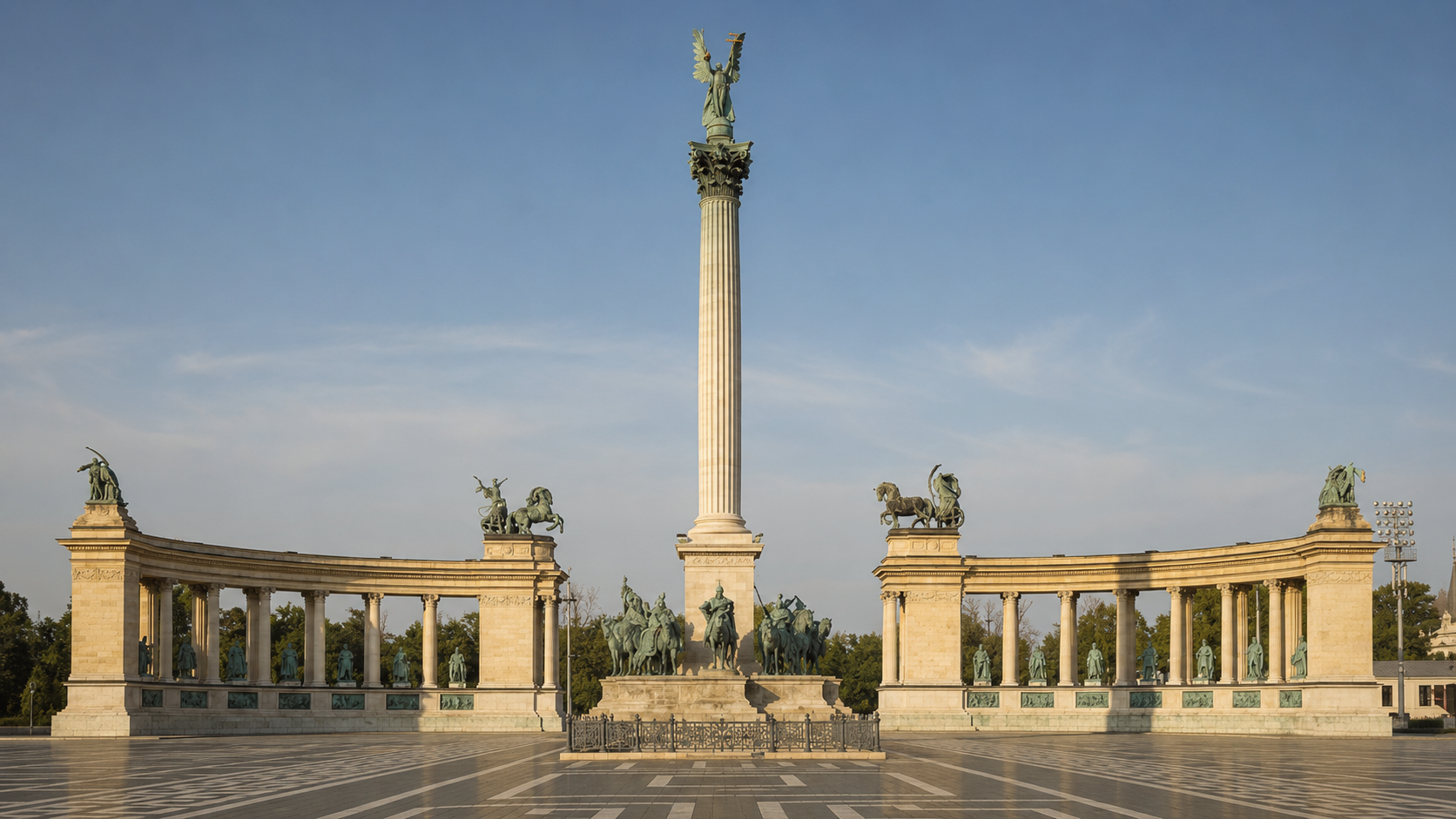
![Zugló district in Budapest, Hungary, featuring City Park, leafy avenues, historic architecture, and cultural landmarks near Heroes’ Square.]()
Zugló
Beyond the historic center, Zugló offers a quieter side of the city shaped by gardens, tree-lined avenues, and Budapest’s beloved City Park. Come for Heroes’ Square, museums, Széchenyi Thermal Bath, and moments of calm that offer a welcome contrast to the energy of central Pest.
Top Experiences
-
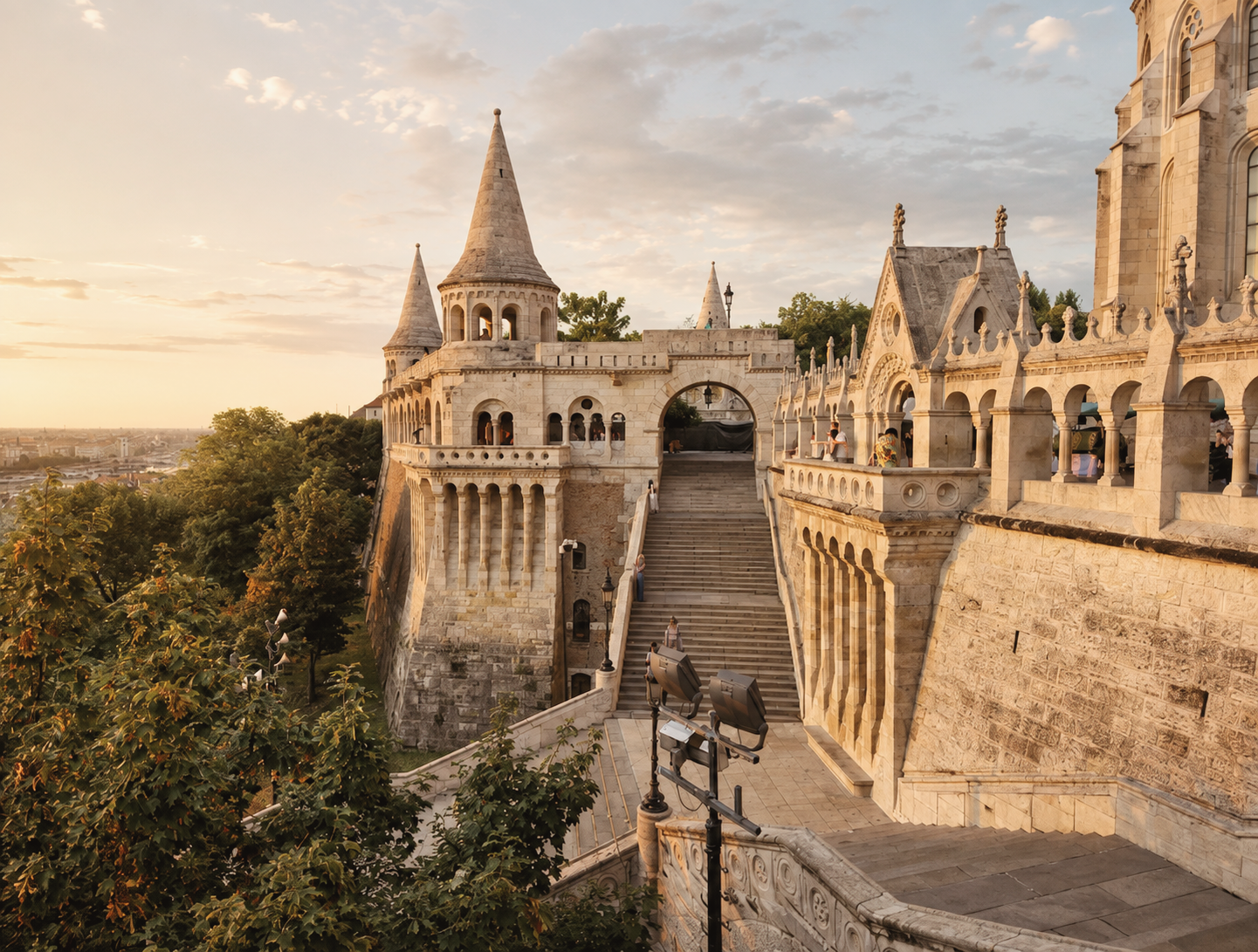
![Fisherman’s Bastion and Matthias Church in Budapest, Hungary, featuring neo-Romanesque terraces, Gothic architecture, and panoramic Danube views.]()
Fisherman’s Bastion at First Light & Matthias Church
Begin before Budapest fully wakes, when the terraces of Fisherman’s Bastion are still quiet and the morning light begins to fall across the Danube. Wander the neo-Romanesque arcades for sweeping views of Parliament, the river, and Pest before stepping inside Matthias Church, where centuries of royal ceremonies and Hungarian history unfold beneath its patterned roof and richly painted interior. Afterwards, linger over breakfast or coffee in the Castle District before the daytime crowds arrive.
-
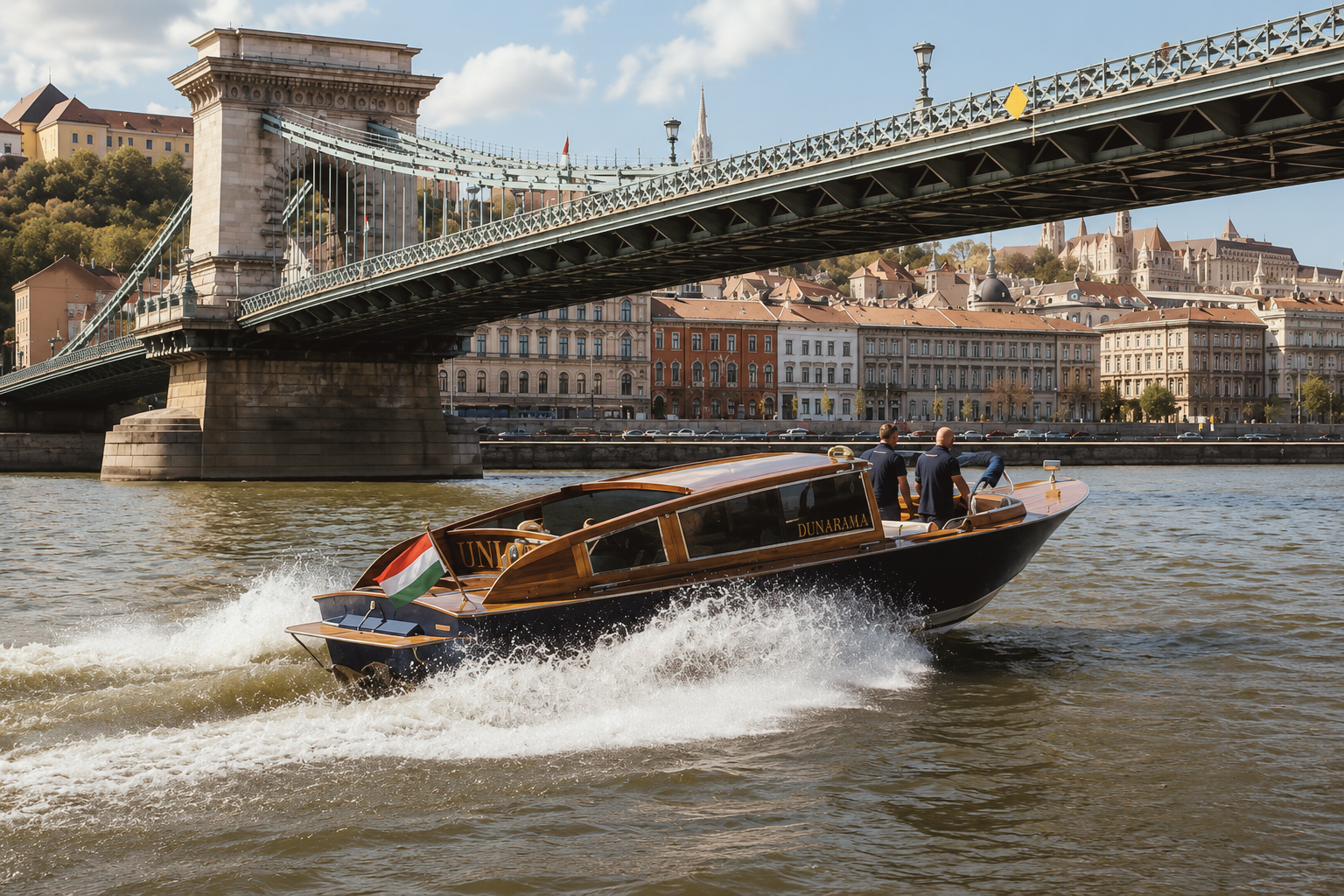
![Private boat cruise on the Danube River in Budapest, Hungary, with views of the Hungarian Parliament, historic bridges, and illuminated riverfront.]()
Private Boat at Golden Hour on the Danube
Experience Budapest from its most beautiful vantage point aboard a private boat on the Danube, timed for the transition from late afternoon into evening. Glide beneath the Chain Bridge as Buda Castle rises above the river and the Hungarian Parliament begins to illuminate across the water. Arrange champagne or Hungarian sparkling wine onboard and allow enough time to see the city transform from golden hour into Budapest’s famously beautiful nighttime skyline.
-
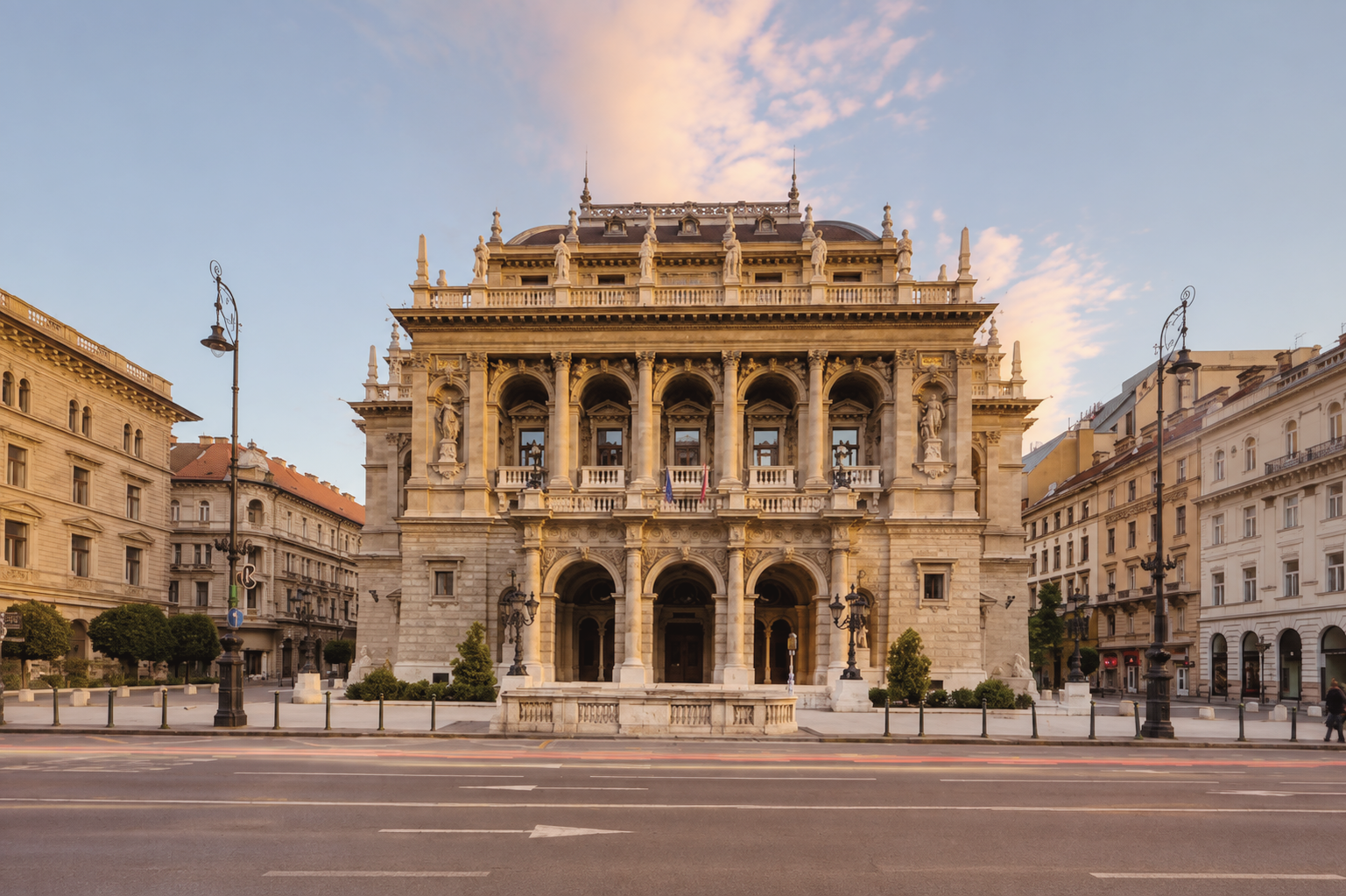
![Hungarian State Opera House in Budapest, Hungary, showcasing its ornate Neo-Renaissance architecture along historic Andrássy Avenue.]()
An Evening at the Hungarian State Opera House
Dress for an evening inside the magnificent Hungarian State Opera House, one of Budapest’s great architectural treasures. Reserve exceptional seats for an opera or ballet and arrive early enough to take in the marble staircases, gilded details, frescoed ceilings, and grand auditorium. Pair the performance with an intimate pre-theatre dinner nearby for an evening that captures the elegance of old-world Budapest.
-
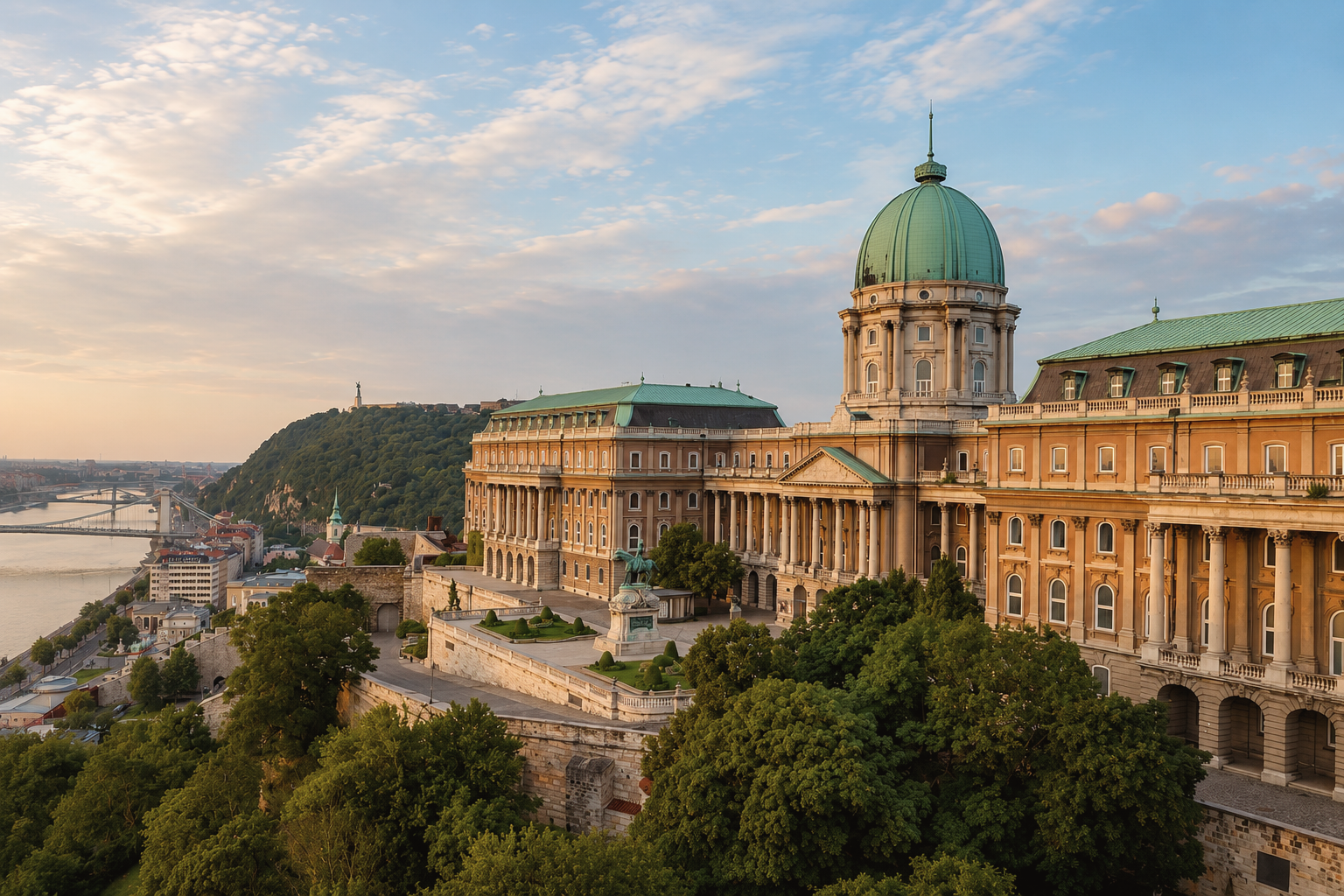
![Buda Castle in Budapest, Hungary, overlooking the Danube River from Castle Hill with historic palace architecture and panoramic city views.]()
Art, History & Views from Buda Castle
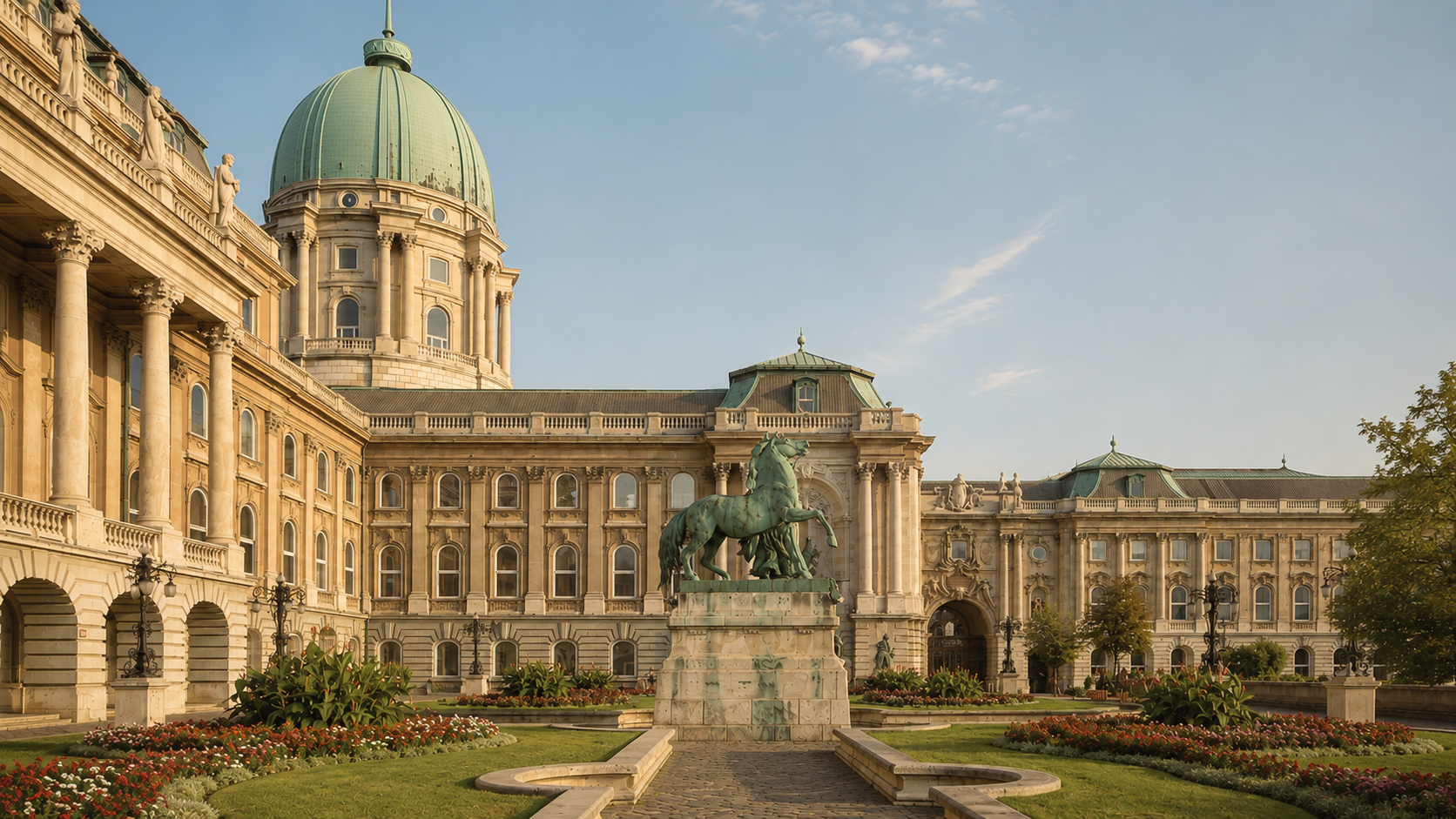
Spend a slow morning exploring Buda Castle, beginning with the collections of the Hungarian National Gallery, where Hungarian art offers a deeper understanding of the country’s identity and cultural history. Rather than rushing through the palace complex, allow time for its courtyards, terraces, architectural details, and extraordinary views across the Danube. A private art or history guide can transform the visit into a more personal introduction to Hungary’s artistic story.
-
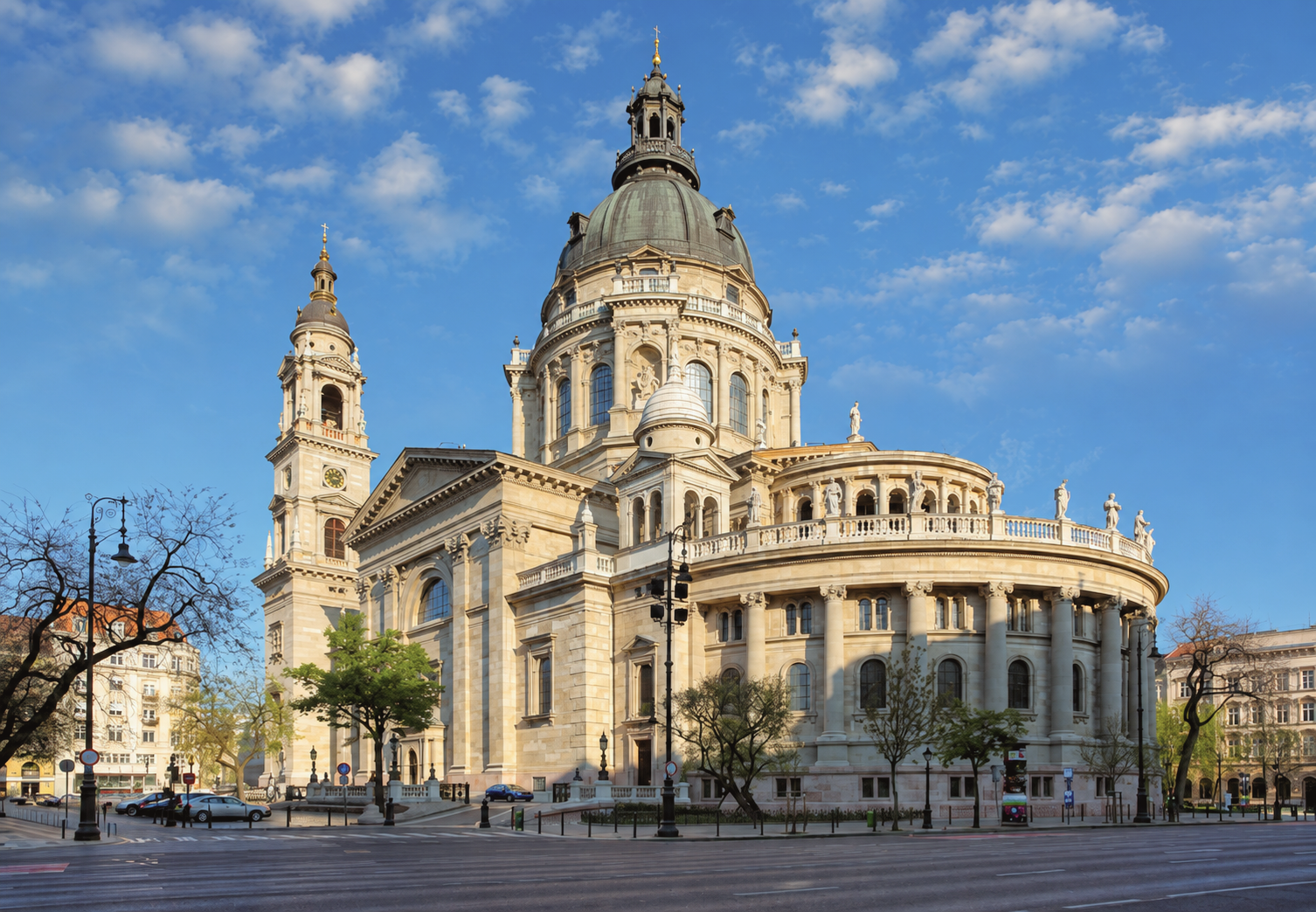
![St. Stephen’s Basilica in Budapest, Hungary, featuring its monumental dome, neoclassical architecture, and historic city-center setting.]()
Music Beneath the Dome at St. Stephen’s Basilica
Experience St. Stephen’s Basilica beyond a traditional sightseeing visit by reserving an evening classical or organ concert beneath its soaring dome. Return earlier—or arrive with enough time before the performance—to climb or take the elevator to the panoramic terrace, where Budapest stretches in every direction. Watching the city soften into evening before hearing music within one of its most beautiful sacred spaces creates an unforgettable pairing of place and sound.
-
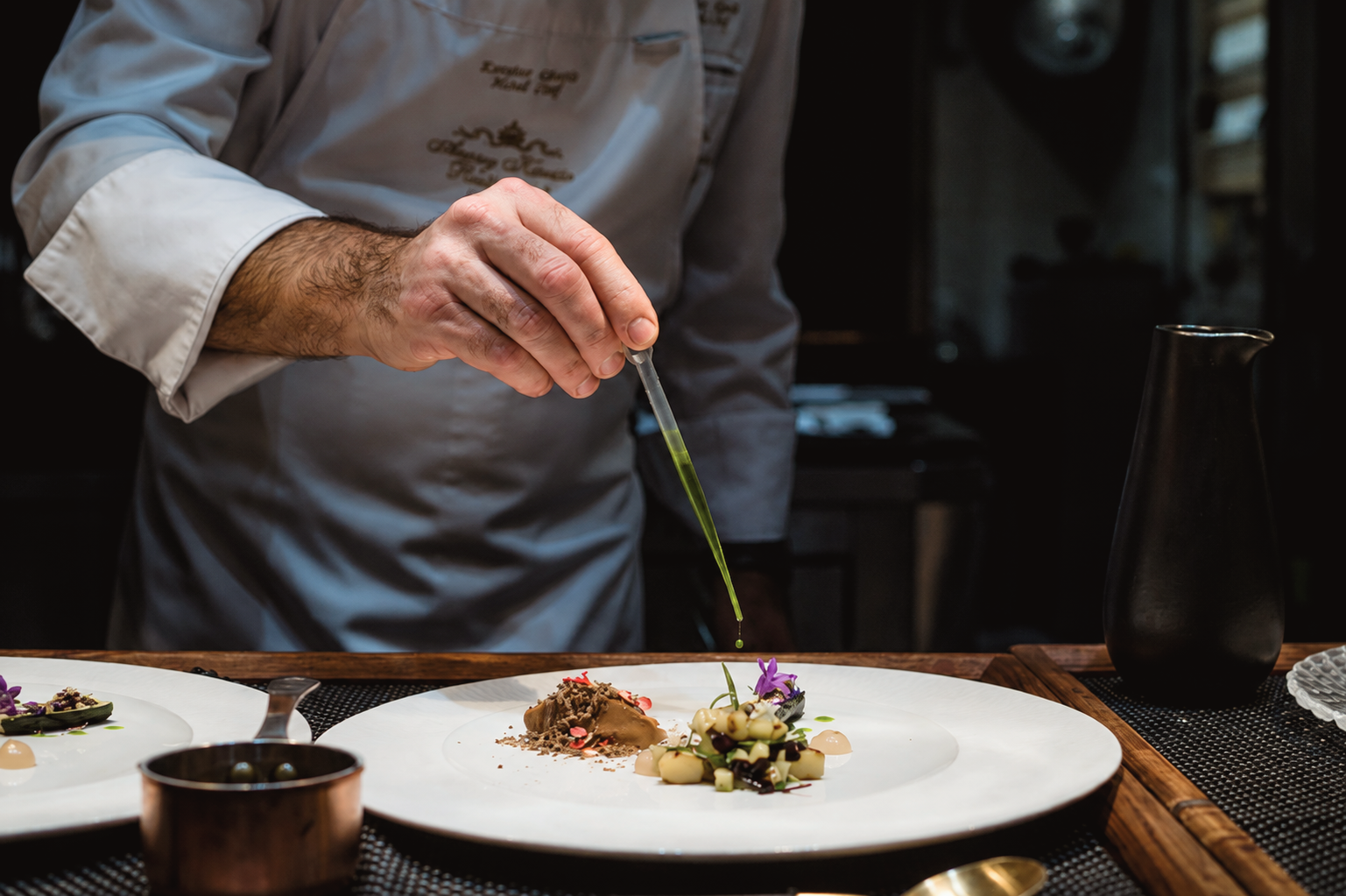
![Private Hungarian chef experience in Budapest, featuring traditional local ingredients and contemporary interpretations of classic Hungarian cuisine.]()
Private Hungarian Chef Experience
Spend an evening away from the restaurant scene with a private chef experience centered on contemporary Hungarian cooking. Work with a local chef in a private apartment, culinary studio, or residence to discover dishes rooted in Hungarian family traditions—from handmade dumplings and seasonal soups to beautifully prepared versions of paprikash, goulash, or local pastries. Pair the menu with Hungarian wines from Tokaj, Eger, or Villány for an intimate introduction to the country through the people, ingredients, and stories behind its food.
-
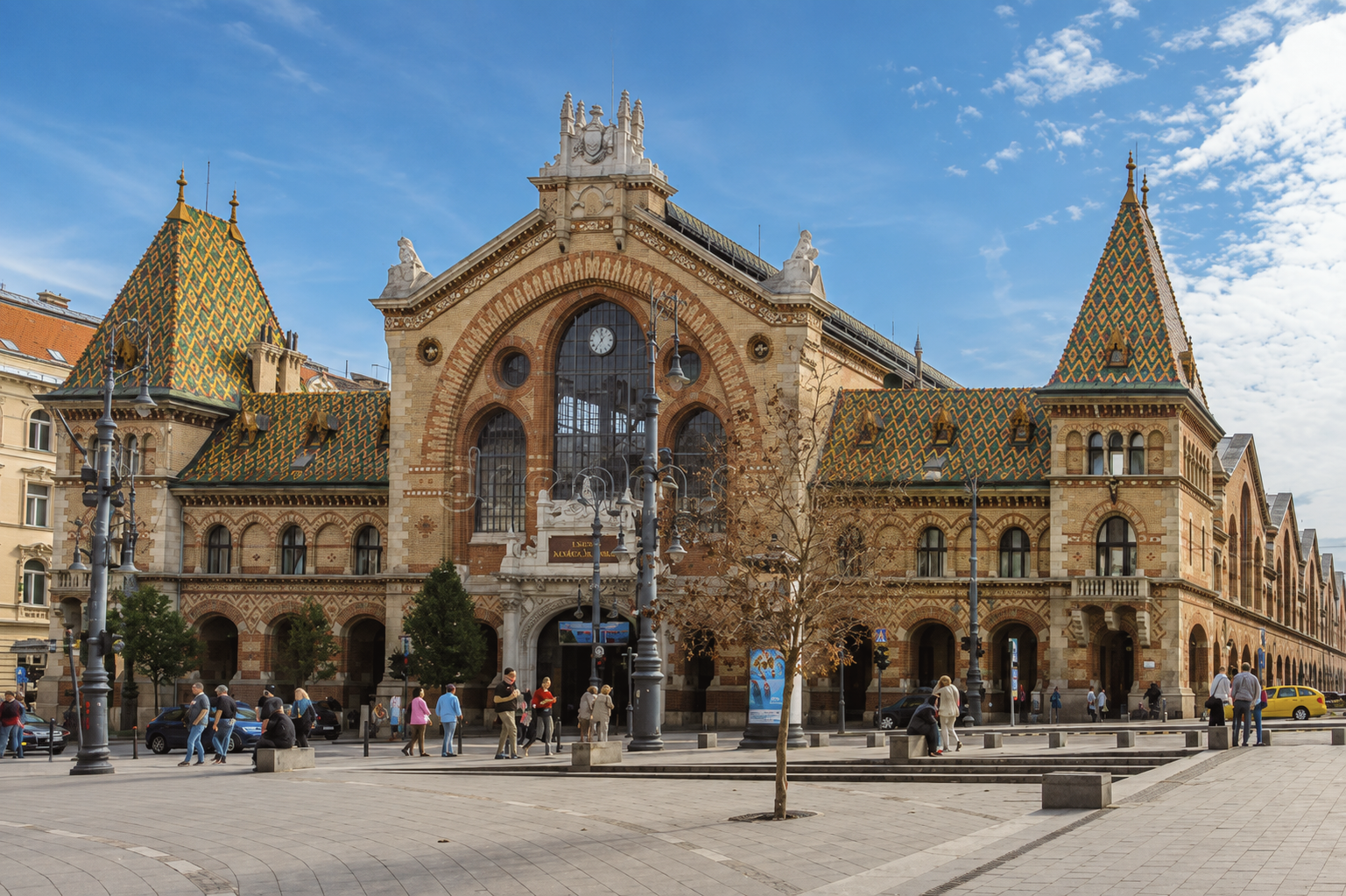
![Central Market Hall in Budapest, Hungary, featuring traditional Hungarian food, local produce, spices, specialty products, and historic market architecture.]()
The Grand Market & Hungarian Flavors with a Local
Visit Budapest’s Central Market Hall with a private culinary guide who can lead you beyond the souvenir stalls and into the ingredients that define Hungarian cooking. Taste artisan charcuterie, cheeses, pickles, paprika, seasonal produce, and traditional pastries while learning how Budapest actually eats. Continue into the surrounding streets for a thoughtfully curated tasting of neighborhood bakeries, cafés, and specialty shops rather than a conventional food tour.
-
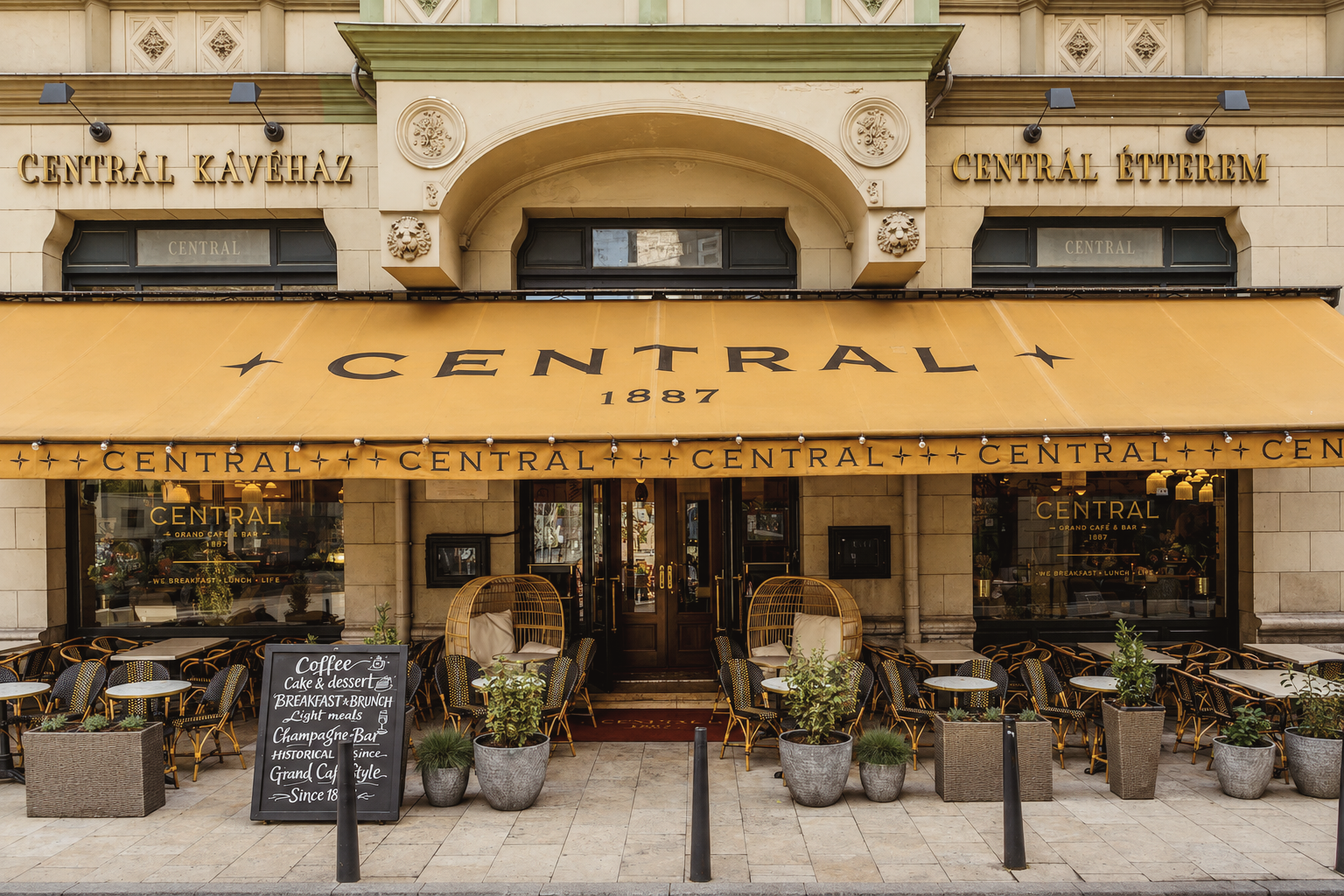
![Historic coffeehouse in Budapest, Hungary, featuring elegant interiors and the traditional café culture that has shaped the city for generations.]()
Experience Budapest’s Coffeehouse Culture
Step into the intellectual Budapest of the late 19th and early 20th centuries through its historic café culture. Begin somewhere grand for the architecture, then move toward a quieter neighborhood coffeehouse where the experience feels more local than ceremonial. Pair excellent coffee and Hungarian pastry with a private walk through the surrounding streets, uncovering the writers, artists, musicians, and thinkers who once made Budapest’s cafés extensions of their salons and studios.
-
![Shoes on the Danube Bank memorial in Budapest, Hungary, with the Hungarian Parliament Building and Danube River nearby.]()
Memory Along the Danube & Hungarian Parliament
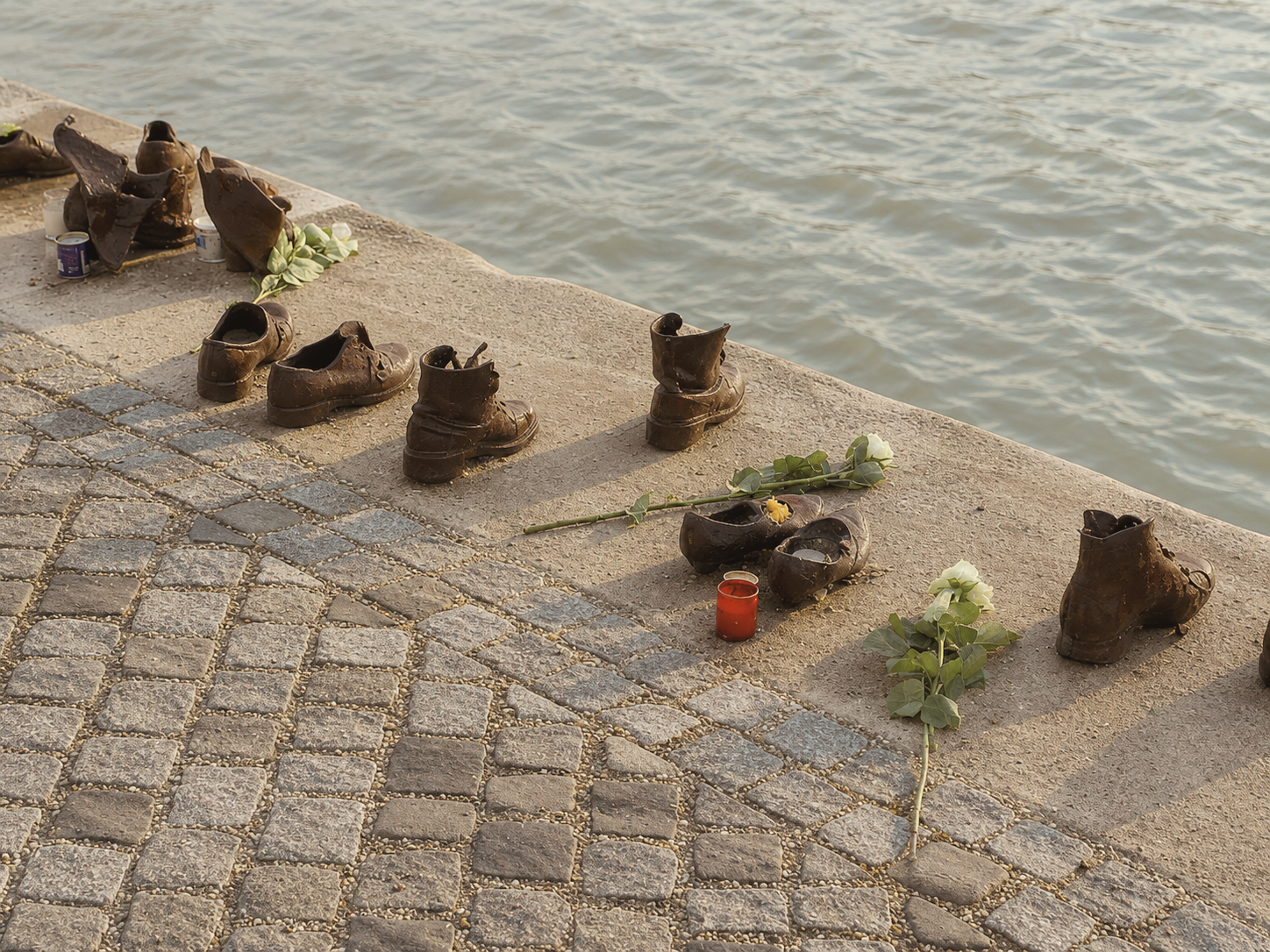
Begin along the river at Shoes on the Danube Bank, a simple yet deeply moving memorial honoring the Jewish men, women, and children killed along the Danube during World War II. Allow time here without rushing before continuing along the waterfront toward the magnificent Hungarian Parliament Building. Arrange a guided visit inside to discover its grand halls, intricate Gothic Revival architecture, and the story of Hungary’s government and Crown of St. Stephen. Together, the two experiences reveal very different chapters of Hungarian history—one solemn and deeply human, the other monumental—offering a more meaningful understanding of Budapest beyond its beauty.
-
![Hungarian wine tasting in Budapest featuring regional wines from Hungary’s celebrated vineyards and traditional local wine culture.]()
An Intimate Hungarian Wine Tasting
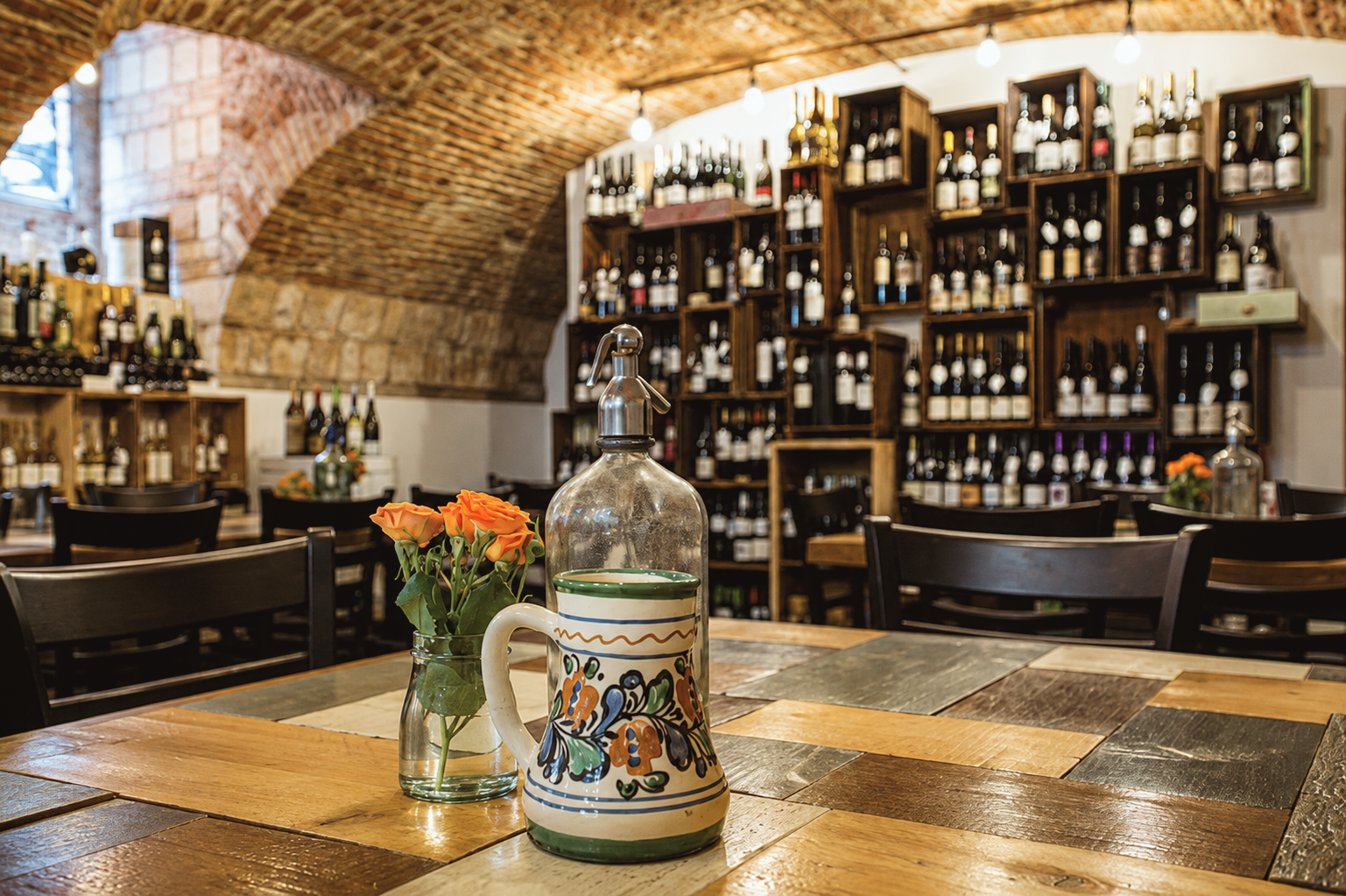
Discover Hungary through its wine in an intimate cellar or private tasting room with a sommelier who can introduce lesser-known regions alongside celebrated Tokaji. Taste elegant reds from Villány and Eger, volcanic whites from Somló and Badacsony, and beautifully balanced wines from around Lake Balaton, paired with Hungarian cheeses and charcuterie. It is a quieter, more sophisticated way to understand the landscapes and traditions that exist beyond Budapest itself.
-
![Budapest, Hungary, at Christmas with festive market stalls, illuminated historic architecture, seasonal decorations, and traditional holiday atmosphere.]()
Budapest at Christmas
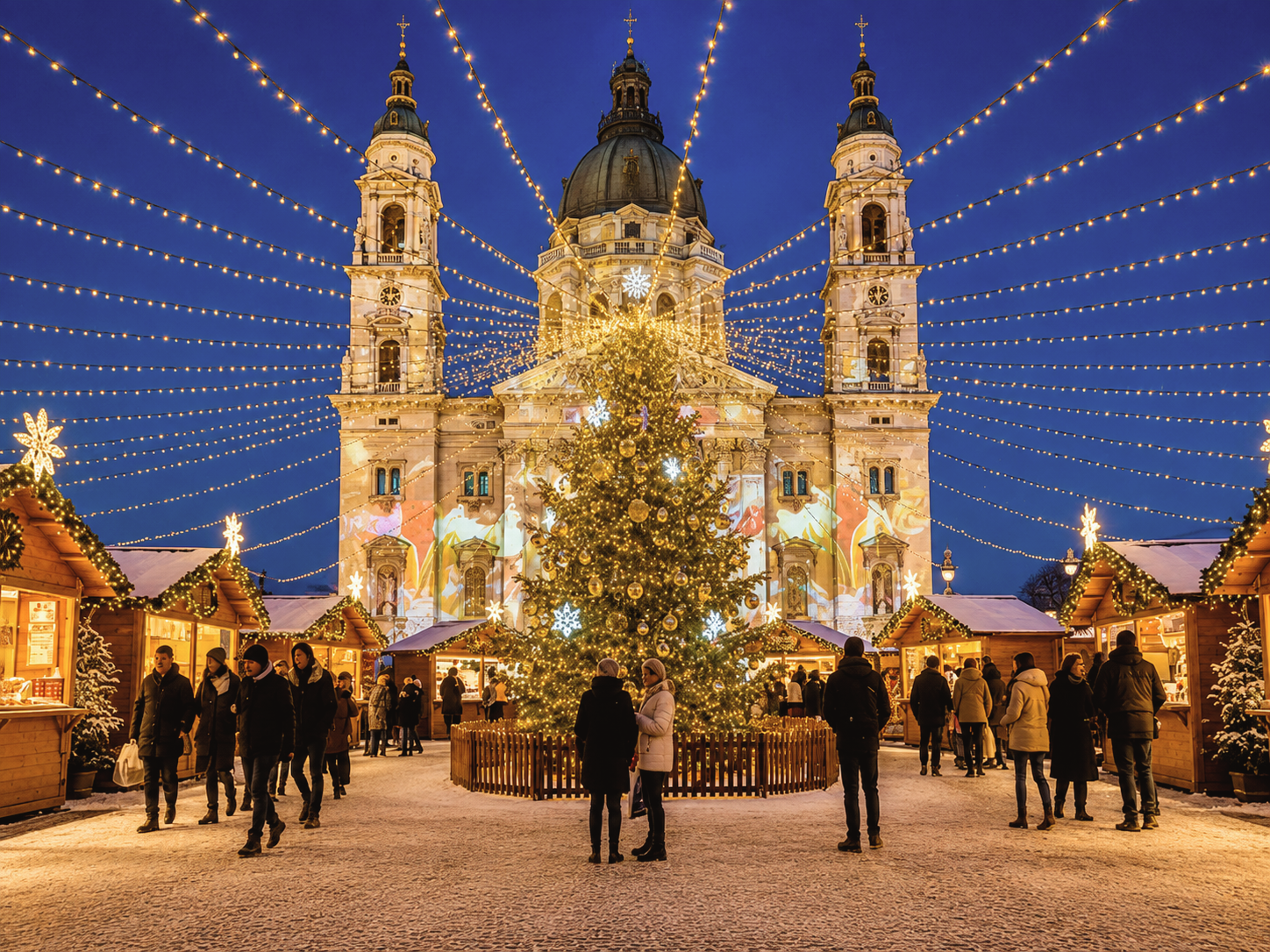
Experience Budapest at its most atmospheric during the Christmas season, when the city’s grand boulevards and historic squares glow beneath thousands of lights. Wander the Christmas markets around Vörösmarty Square and St. Stephen’s Basilica, lingering over Hungarian specialties, artisan gifts, mulled wine, and chimney cake before watching the basilica illuminate after dark. Pair the evening with a classical concert, an elegant dinner, or a private Danube cruise as Parliament and Buda Castle shimmer across the water. With crisp winter air, candlelit cafés, thermal baths, and the scent of spices drifting through the streets, Christmas offers an especially romantic way to experience Budapest.
Featured Stays
-
![Four Seasons Hotel Gresham Palace in Budapest, Hungary, featuring iconic Art Nouveau architecture near the Danube River and Chain Bridge.]()
FOUR SEASONS HOTEL GRESHAM PALACE
An icon along the Danube, Gresham Palace captures Budapest at its most romantic. Behind its remarkable Art Nouveau façade, stained glass, mosaics, and sweeping architectural details recall the grandeur of the city’s golden age, while views toward the Chain Bridge place you at the heart of Budapest’s most enduring landscape. Stay here for a sense of occasion—and for the rare experience of sleeping inside a piece of the city’s architectural history.
-
![Matild Palace luxury hotel in Budapest, Hungary, featuring restored Belle Époque architecture and sophisticated contemporary interiors.]()
MATILD PALACE
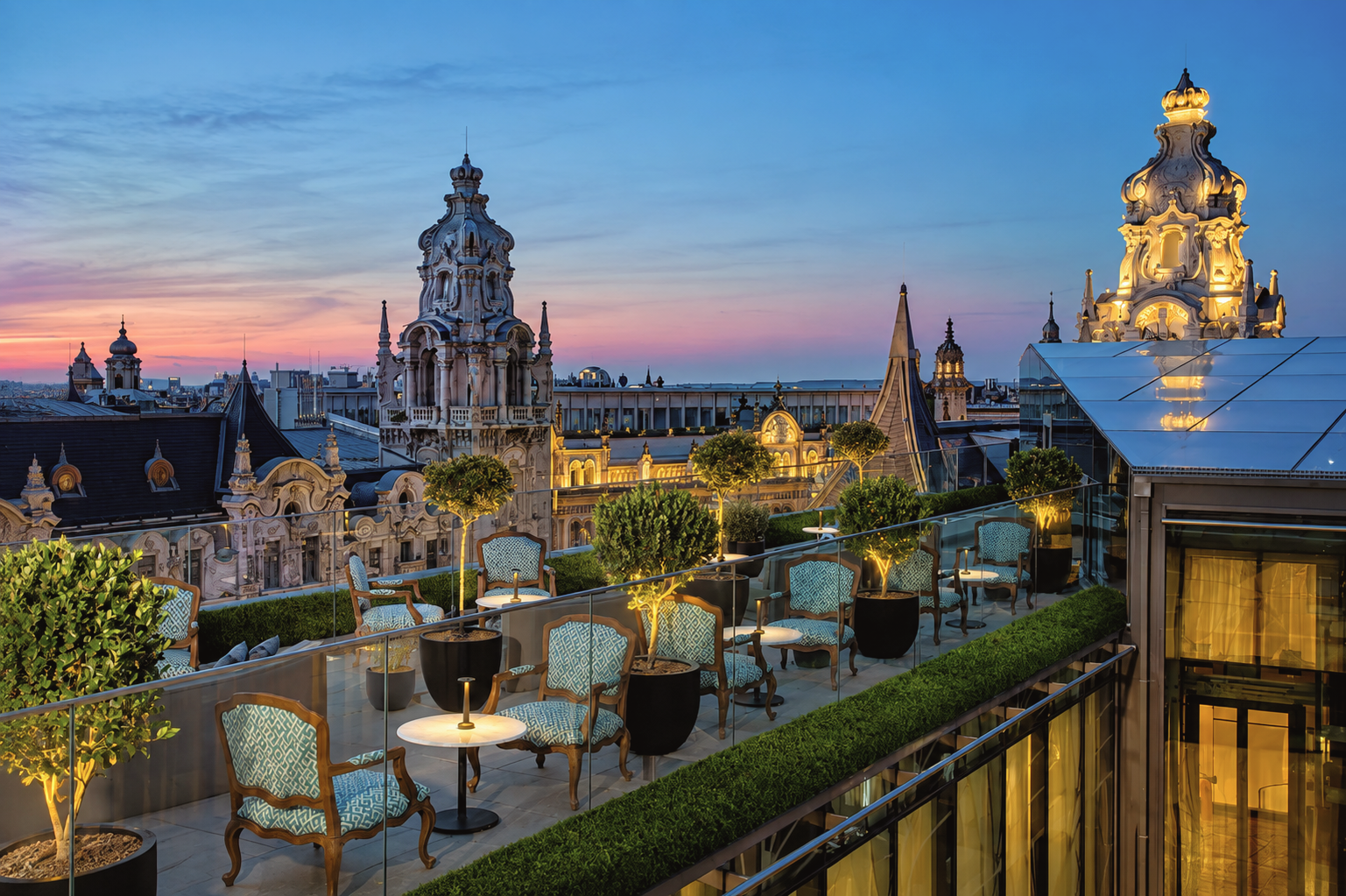
Built during Budapest’s Belle Époque, Matild Palace brings new life to one of the city’s most storied landmarks. Ornate architecture and richly layered interiors nod to its glamorous past, while a central Pest location places historic cafés, the Danube, and the energy of the city just beyond its doors. Grand without losing its sense of place, it’s a stay that feels unmistakably Budapest.
-
![Kozmo Hotel Suites & Spa in Budapest, Hungary, featuring restored historic architecture and refined contemporary luxury interiors.]()
KOZMO HOTEL SUITES & SPA
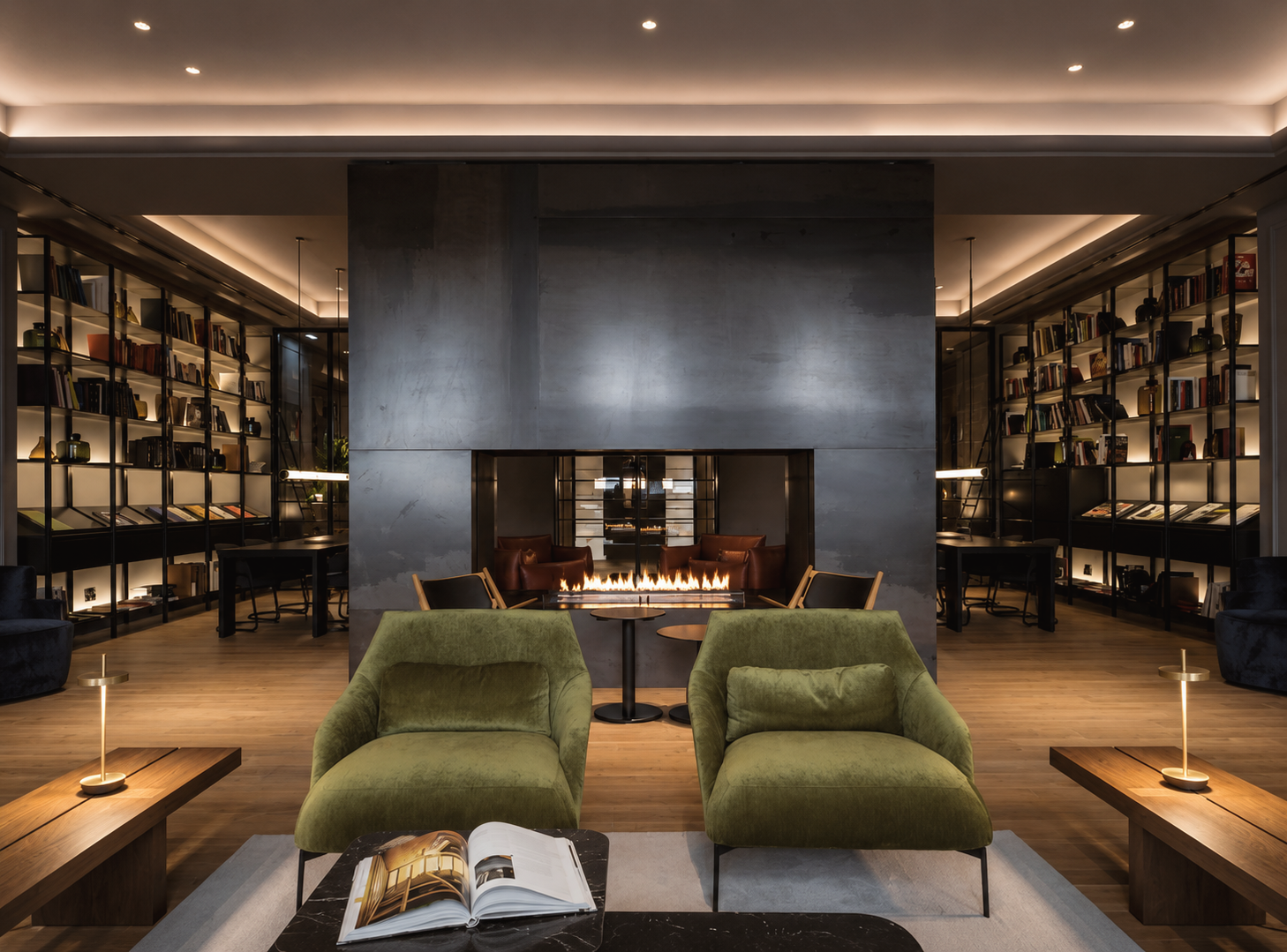
Set within a restored 1920s landmark, Kozmo offers a quieter interpretation of Budapest luxury. Original architectural details meet warm, contemporary interiors, creating spaces that feel residential, considered, and removed from the city’s more ornate grand hotels. It’s an elegant base for travelers drawn to thoughtful design, slower mornings, and discovering Budapest beyond its most familiar addresses.
-
![Aria Hotel Budapest luxury boutique hotel in Hungary, featuring music-inspired interiors and an elegant setting near St. Stephen’s Basilica.]()
ARIA HOTEL
Set beside St. Stephen’s Basilica, Aria draws inspiration from Budapest’s deep connection to music, weaving classical, opera, jazz, and contemporary influences throughout its intimate interiors. Playful without sacrificing refinement, the hotel feels more like a creative retreat than a traditional luxury stay. Its central location makes it especially suited to days spent exploring Pest on foot before returning somewhere distinctly personal.
-
![Párisi Udvar Hotel in Budapest, Hungary, featuring an ornate historic interior with Art Nouveau, Gothic, and Moorish architectural details.]()
PÁRISI UDVAR HOTEL
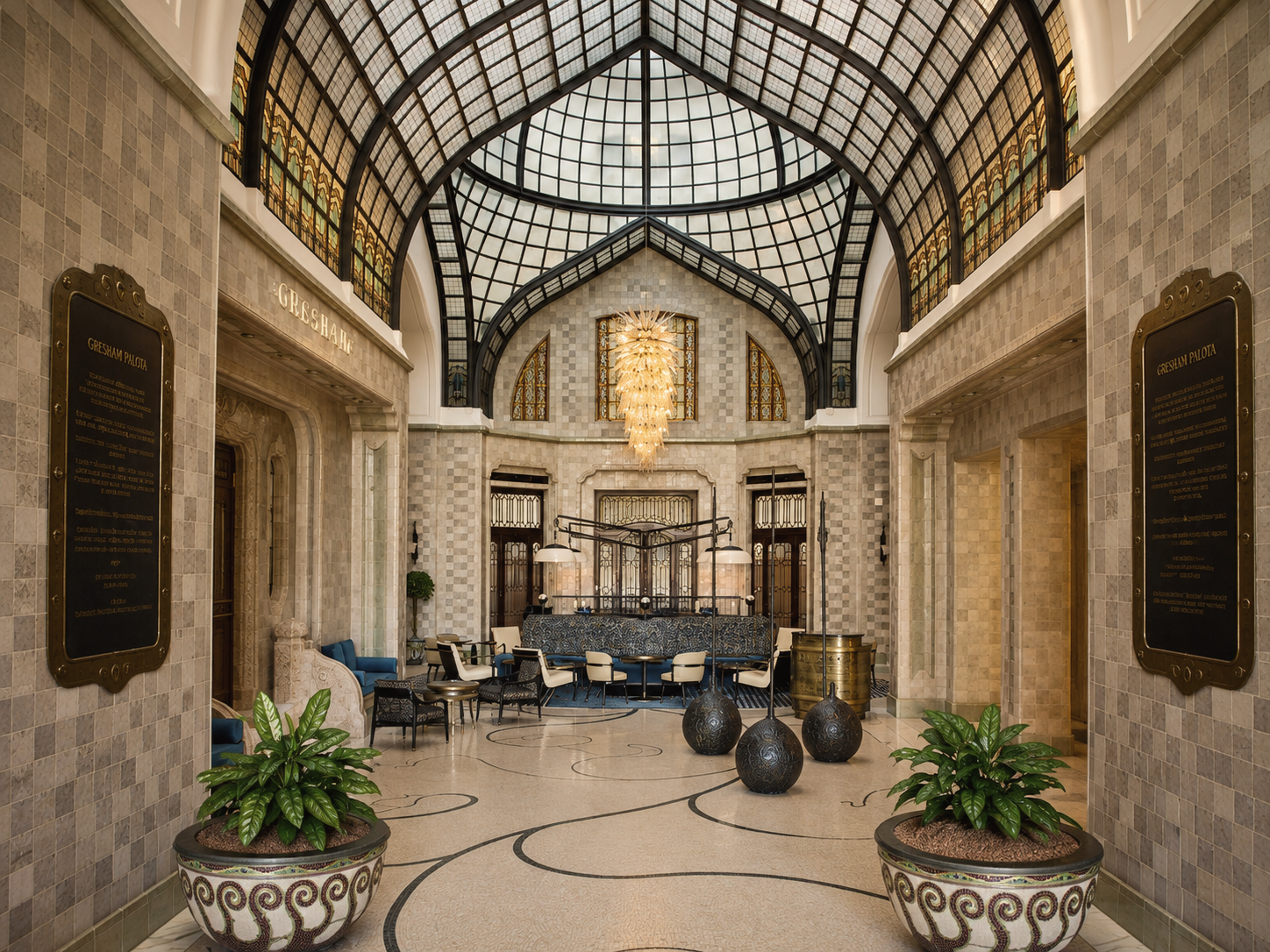
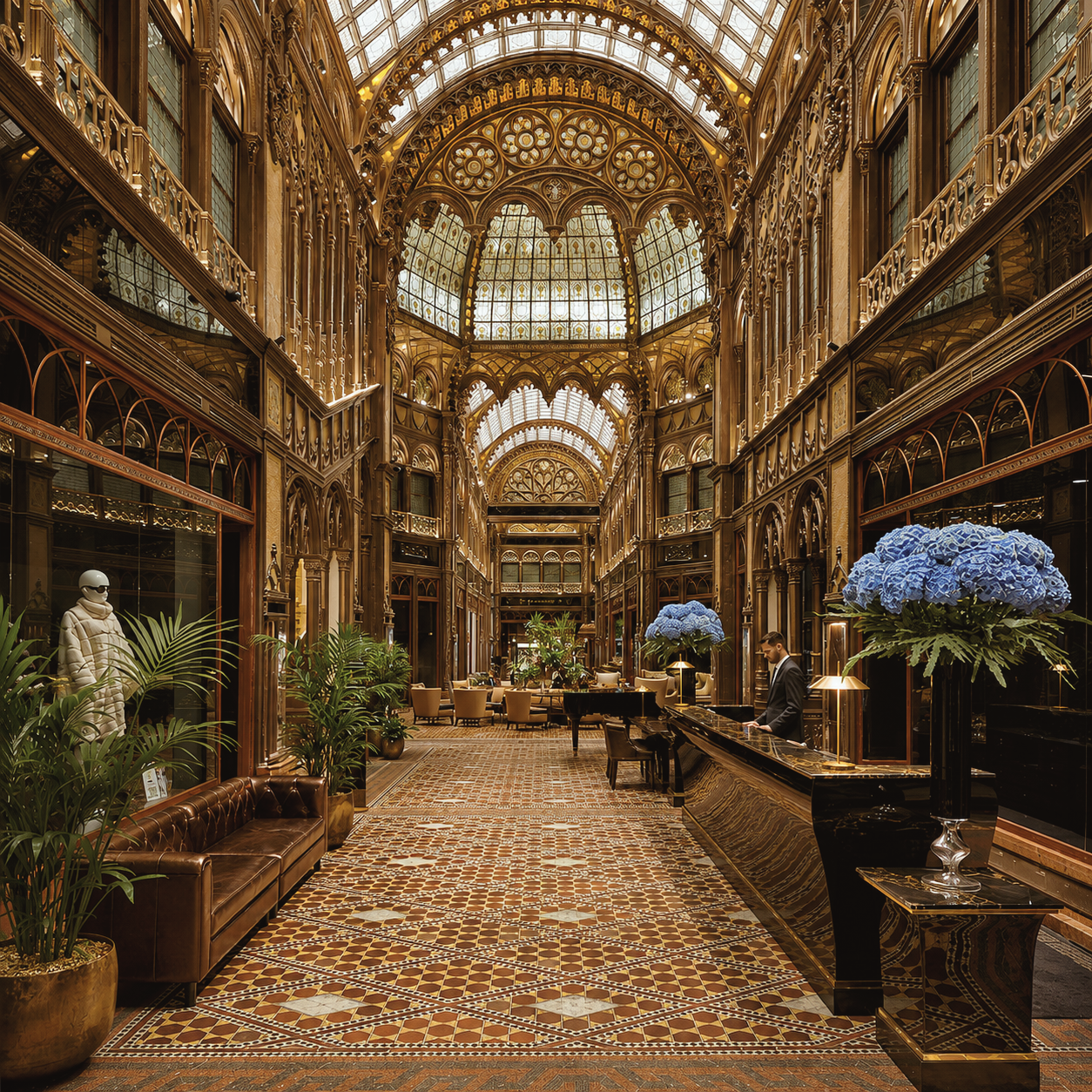
Few stays reveal Budapest’s architectural imagination quite like Párisi Udvar. Beneath soaring glasswork, intricate mosaics, and richly ornamented details, the restored landmark offers a glimpse into the craftsmanship and grandeur of early 20th-century Budapest. More than simply a beautiful hotel, it’s an opportunity to experience one of the city’s extraordinary historic interiors from within.
-
![Kimpton BEM Budapest luxury hotel in Hungary, featuring bold contemporary design, refined interiors, and a location near the Danube River.]()
KIMPTON BEM
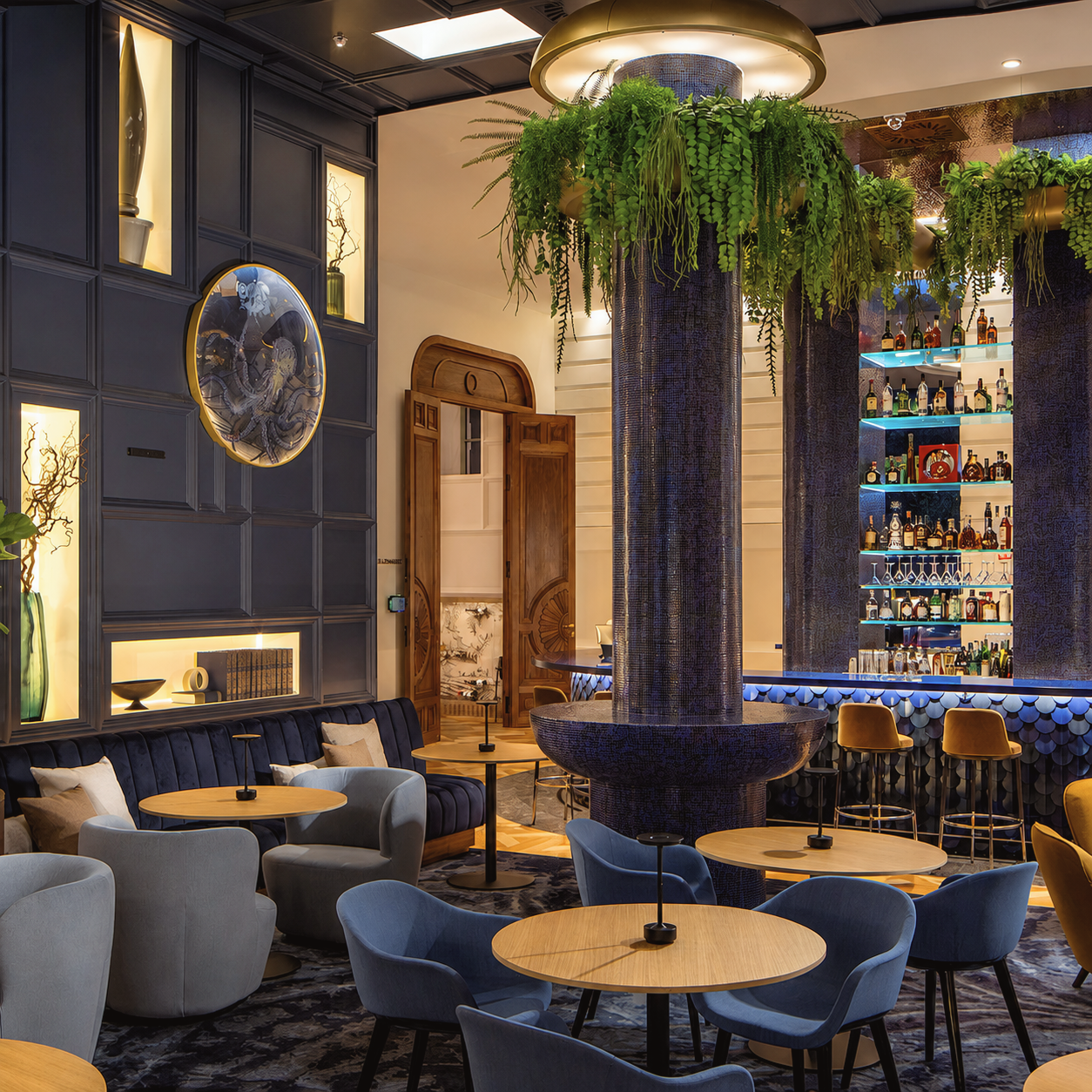
On the quieter Buda side of the Danube, Kimpton BEM interprets Hungarian culture through a decidedly contemporary lens. Folklore, local flora, and references to the country’s landscapes are woven into imaginative interiors, creating a stay that feels expressive, layered, and unexpected. Choose it for design with personality and a perspective on Budapest that reaches beyond traditional old-world grandeur.
-
![Verno House boutique hotel in Budapest, Hungary, featuring sophisticated contemporary interiors and an elegant central-city atmosphere.]()
VERNO HOUSE
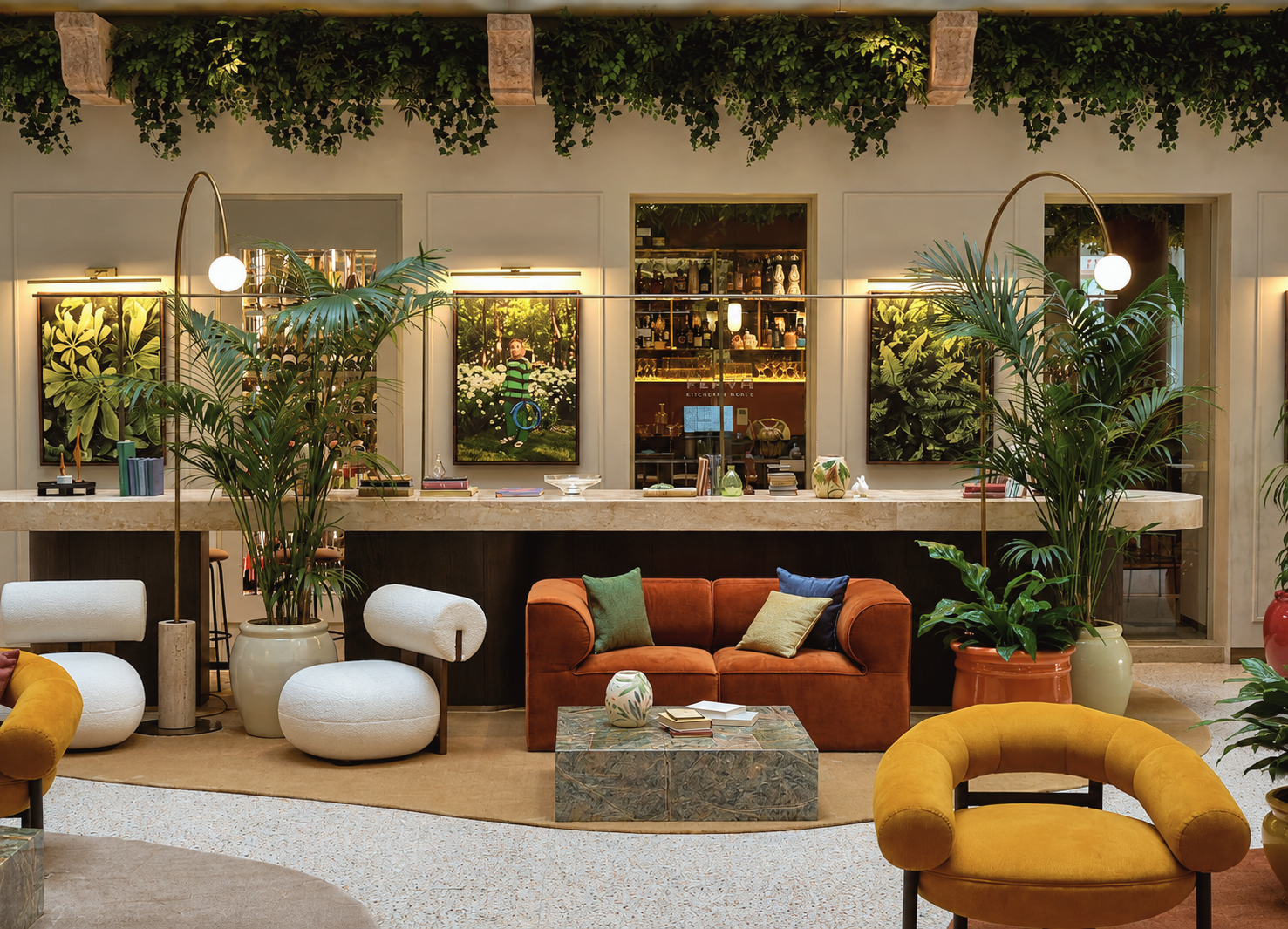
Verno House brings an intimate, residential sensibility to the heart of Pest. Natural textures, greenery, contemporary art, and understated interiors create a calm counterpoint to the grandeur outside, while nearby Liberty Square makes much of central Budapest easily explored on foot. Refined without feeling formal, it’s the kind of place that encourages you to settle into the rhythm of the neighborhood.
-
![Dorothea Hotel in Budapest, Hungary, featuring contemporary luxury design blended with historic architecture in the heart of the city.]()
DOROTHEA HOTEL
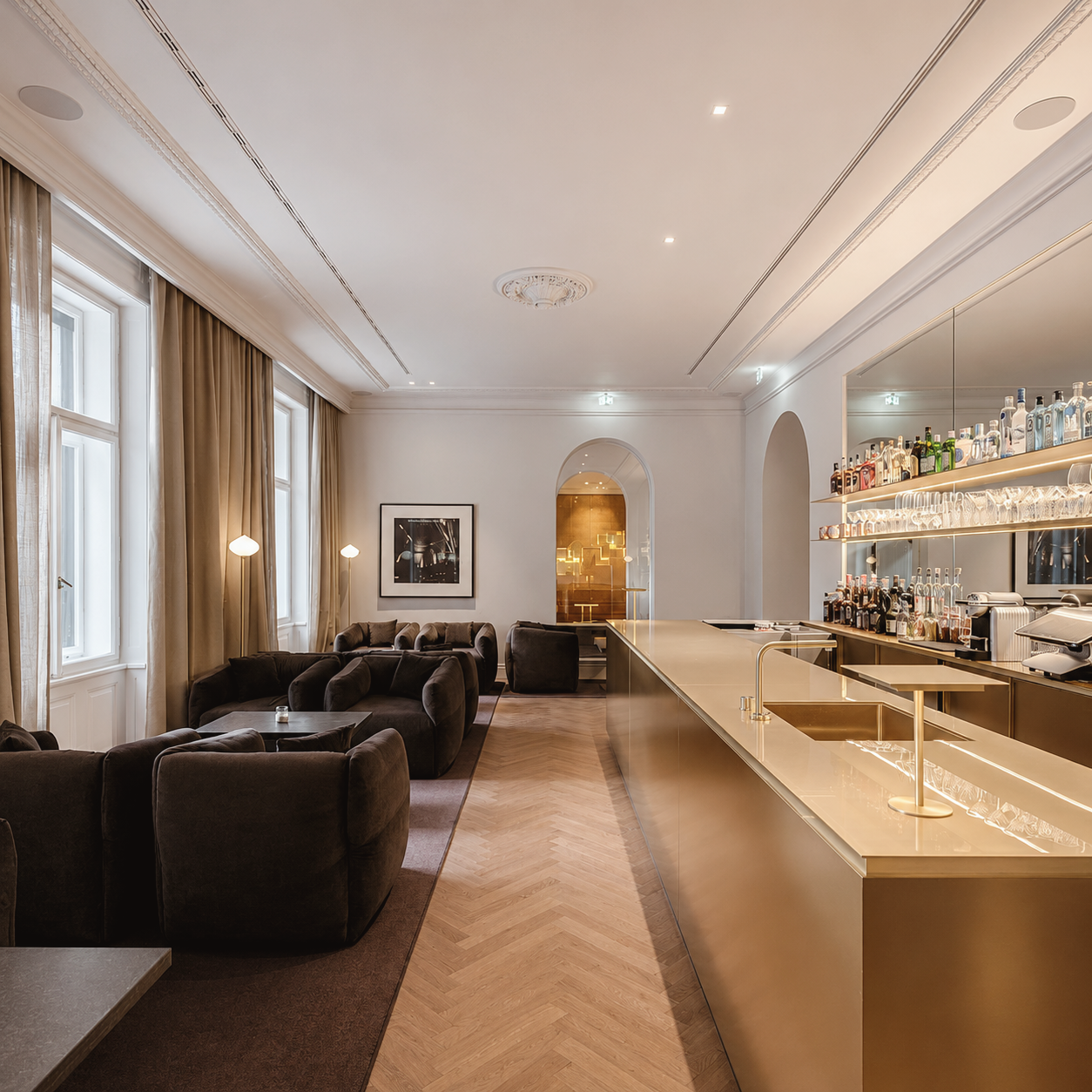
Bringing together layers of Budapest’s architectural past, Dorothea reimagines historic city buildings through a contemporary point of view. Heritage details and modern design coexist throughout the property, reflecting a Budapest that continues to evolve without losing sight of where it came from. Its location near the Danube makes it a natural starting point for exploring the city’s architecture, cafés, galleries, and riverfront.
-
![BoHo Hotel Budapest in Hungary, featuring stylish boutique interiors, contemporary design, and an intimate city-center atmosphere.]()
BOHO HOTEL
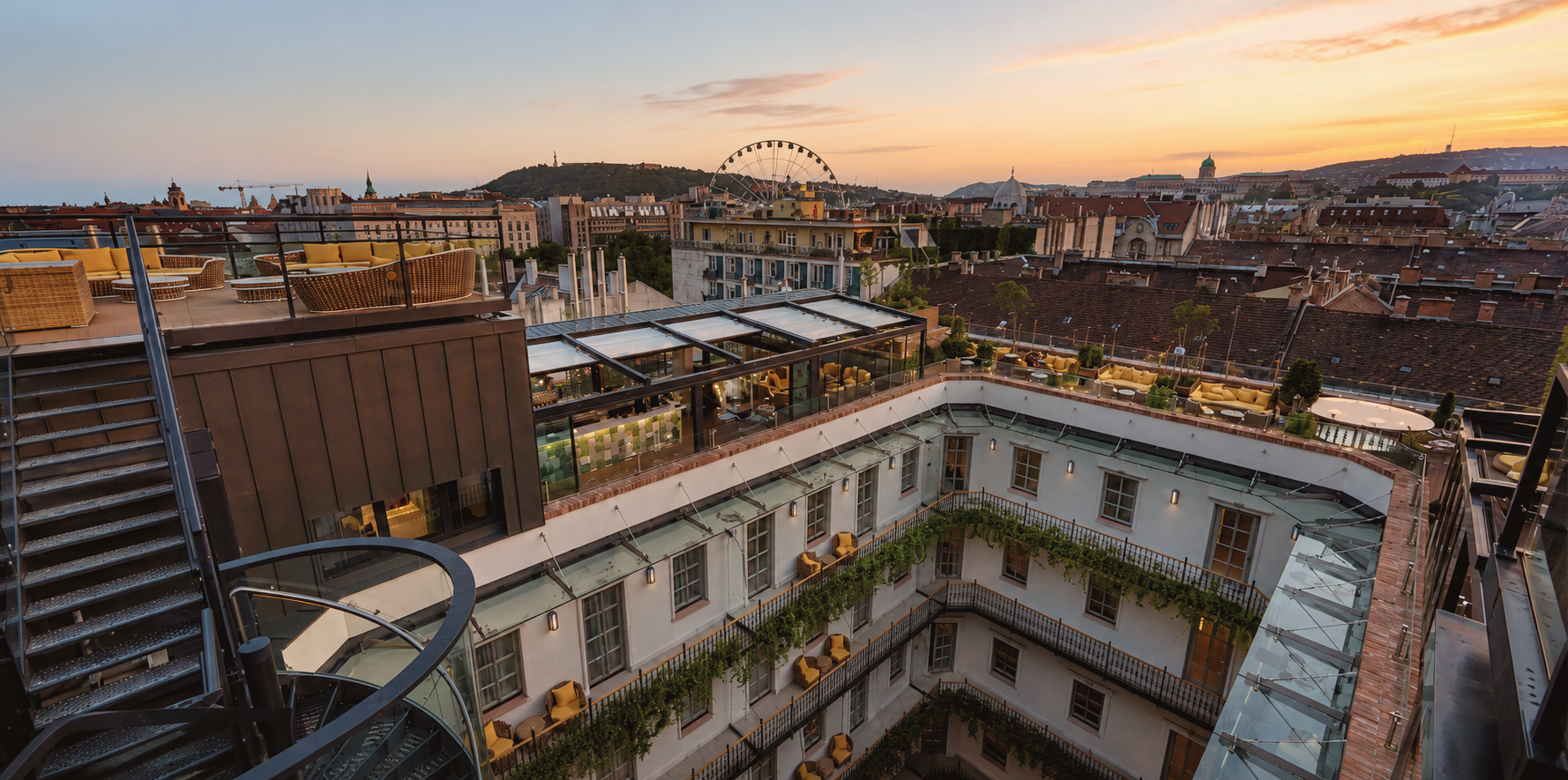
Tucked into Budapest’s Palace District, BoHo offers a more intimate way to experience the city. Contemporary interiors and a relaxed atmosphere pair naturally with a neighborhood of café terraces, independent restaurants, historic façades, and leafy squares just outside. It’s a thoughtful choice for travelers who prefer discovering a city through its neighborhoods rather than viewing it only from its grandest addresses.
-
![Hotel Clark Budapest in Hungary, featuring contemporary luxury interiors and a landmark location beside the Chain Bridge overlooking the Danube.]()
HOTEL CLARK
At the foot of the Chain Bridge, Hotel Clark offers a contemporary perspective on one of Budapest’s most historic settings. Refined interiors give way to sweeping views across the Danube, while Castle Hill and the cobbled streets of Buda rise just beyond its doors. Intimate and distinctly connected to its surroundings, it’s a stay for travelers drawn to thoughtful design, a remarkable sense of place, and Budapest unfolding just outside.
Featured Food & Wine
-
![Stand restaurant in Budapest, Hungary, offering refined contemporary Hungarian cuisine in an elegant fine dining setting.]()
STAND
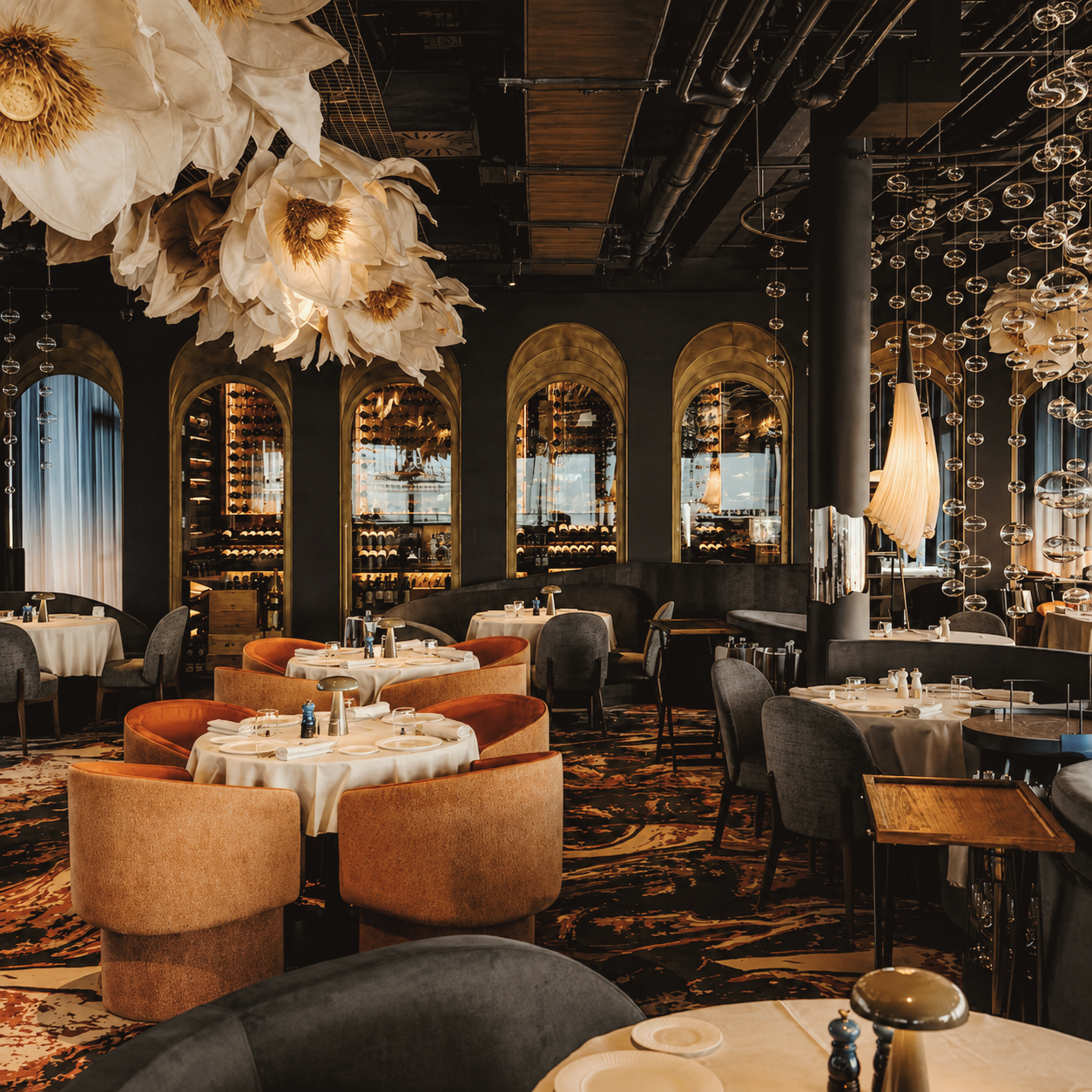
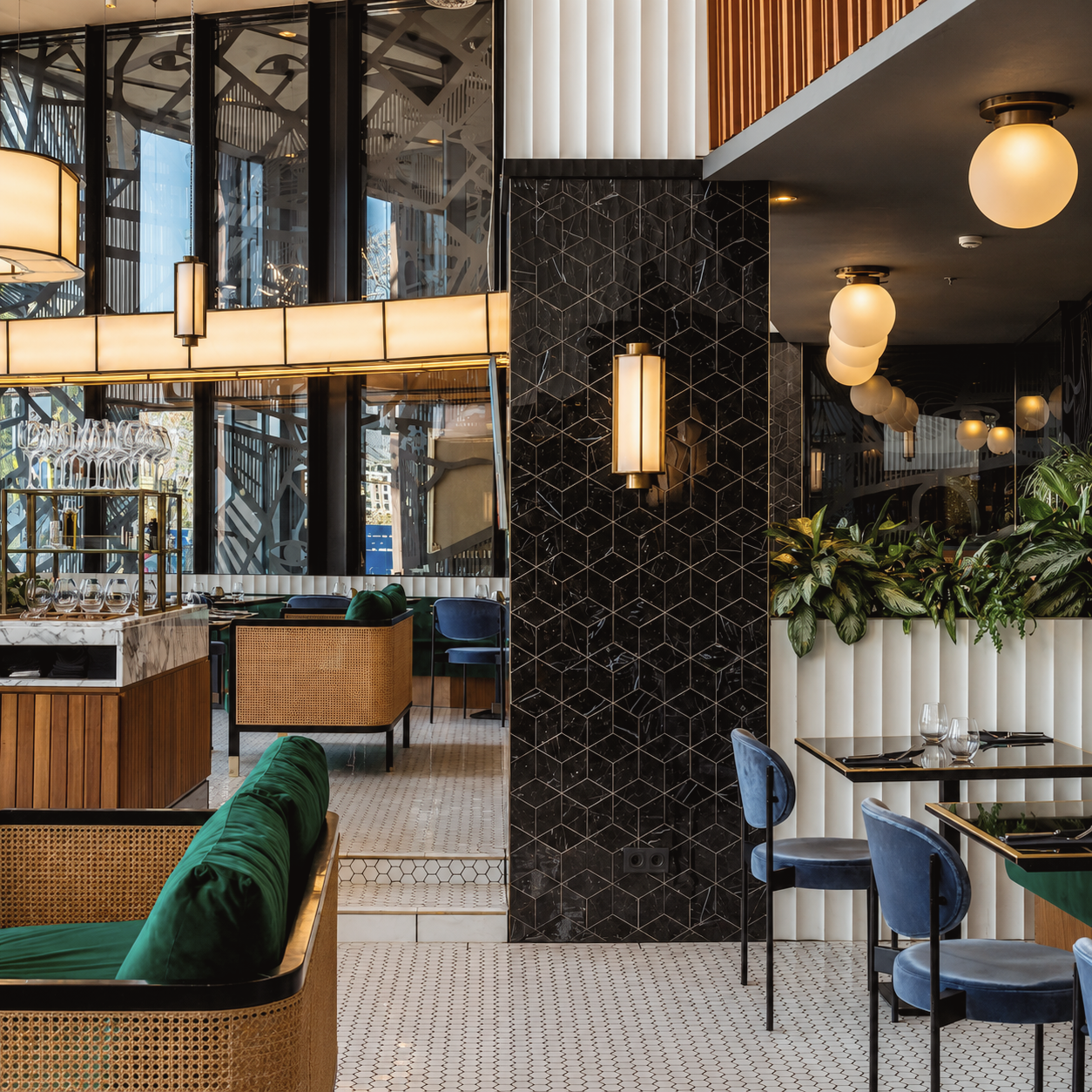
Stand presents Hungarian cuisine with remarkable precision while keeping its roots firmly in view. Familiar flavors, regional ingredients, and culinary traditions are reimagined through an elegant contemporary lens, creating an experience that feels sophisticated without losing its connection to place. Come here for one of Budapest’s defining dining experiences—and a thoughtful expression of where Hungarian gastronomy is headed.
-
![Babel restaurant in Budapest, Hungary, featuring an intimate fine dining experience inspired by the flavors and traditions of the Carpathian Basin.]()
BABEL
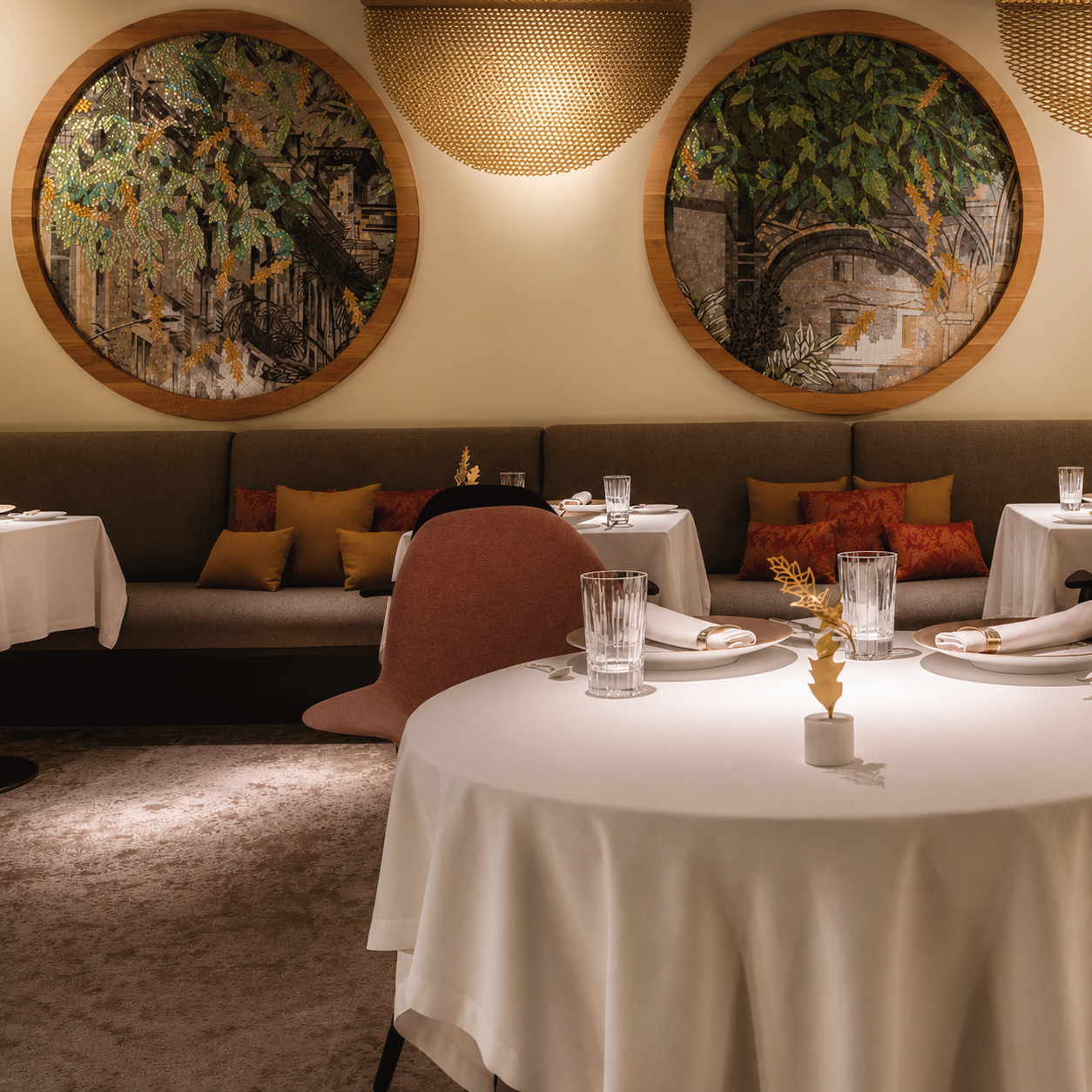
Babel tells the story of the Carpathian Basin through a deeply personal and contemporary point of view. Ingredients, memories, and traditions from across the region shape a dining experience that feels as much cultural as culinary, unfolding within an intimate, beautifully considered setting. It’s imaginative, expressive, and distinctly rooted in this part of Europe.
-
![Salt restaurant in Budapest, Hungary, featuring contemporary Hungarian cuisine inspired by local farms, foraged ingredients, and traditional preservation techniques.]()
SALT
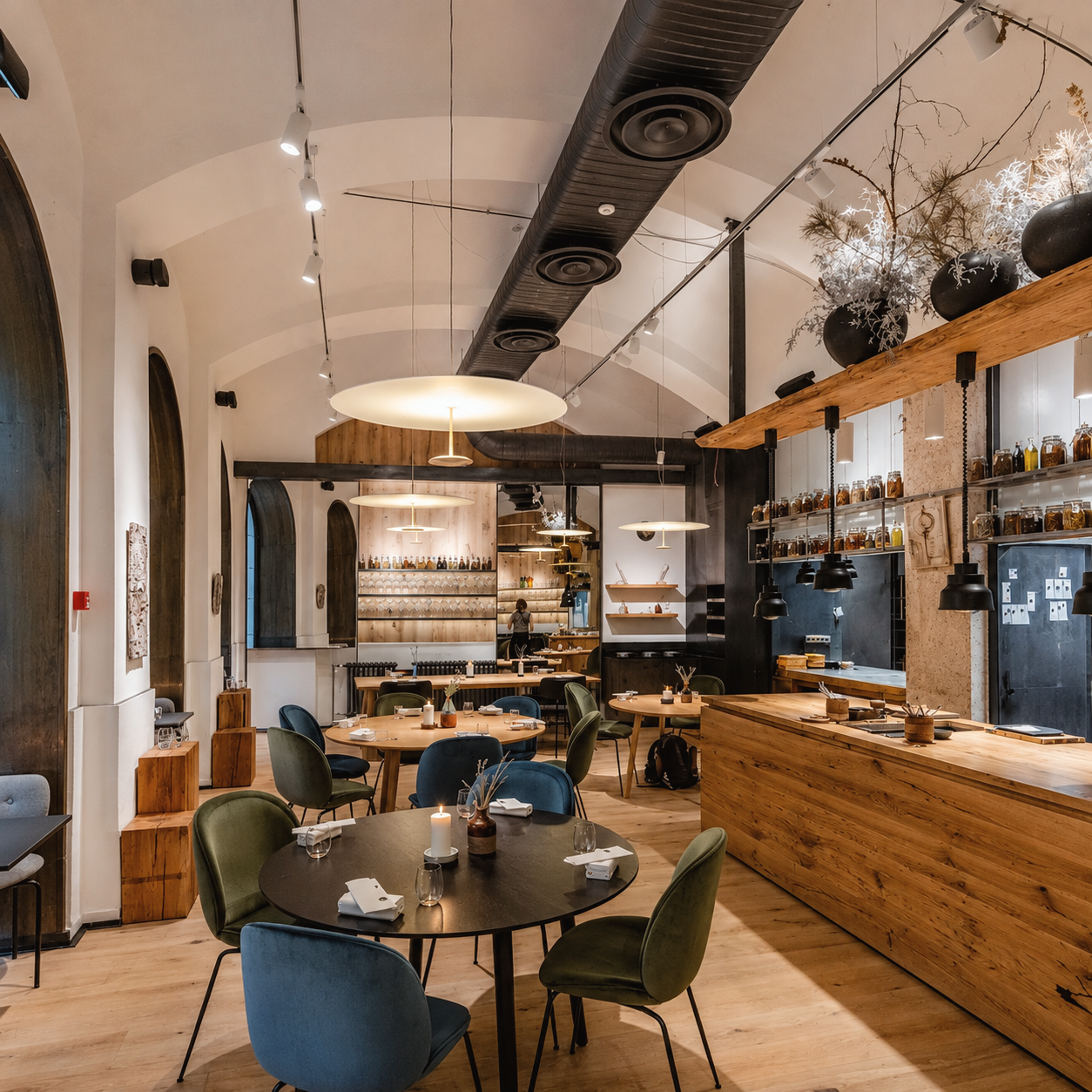
At Salt, Hungary’s forests, farms, and culinary traditions become the starting point for an intimate exploration of place. Foraged ingredients, preservation techniques, and flavors rooted in the countryside are brought into a contemporary setting with creativity and restraint. The result feels thoughtful and quietly immersive—a restaurant that reveals Hungary through the landscape that feeds it.
-
![Borkonyha Winekitchen in Budapest, Hungary, pairing contemporary Hungarian cuisine with an extensive selection of regional Hungarian wines.]()
BORKONYHA WINEKITCHEN
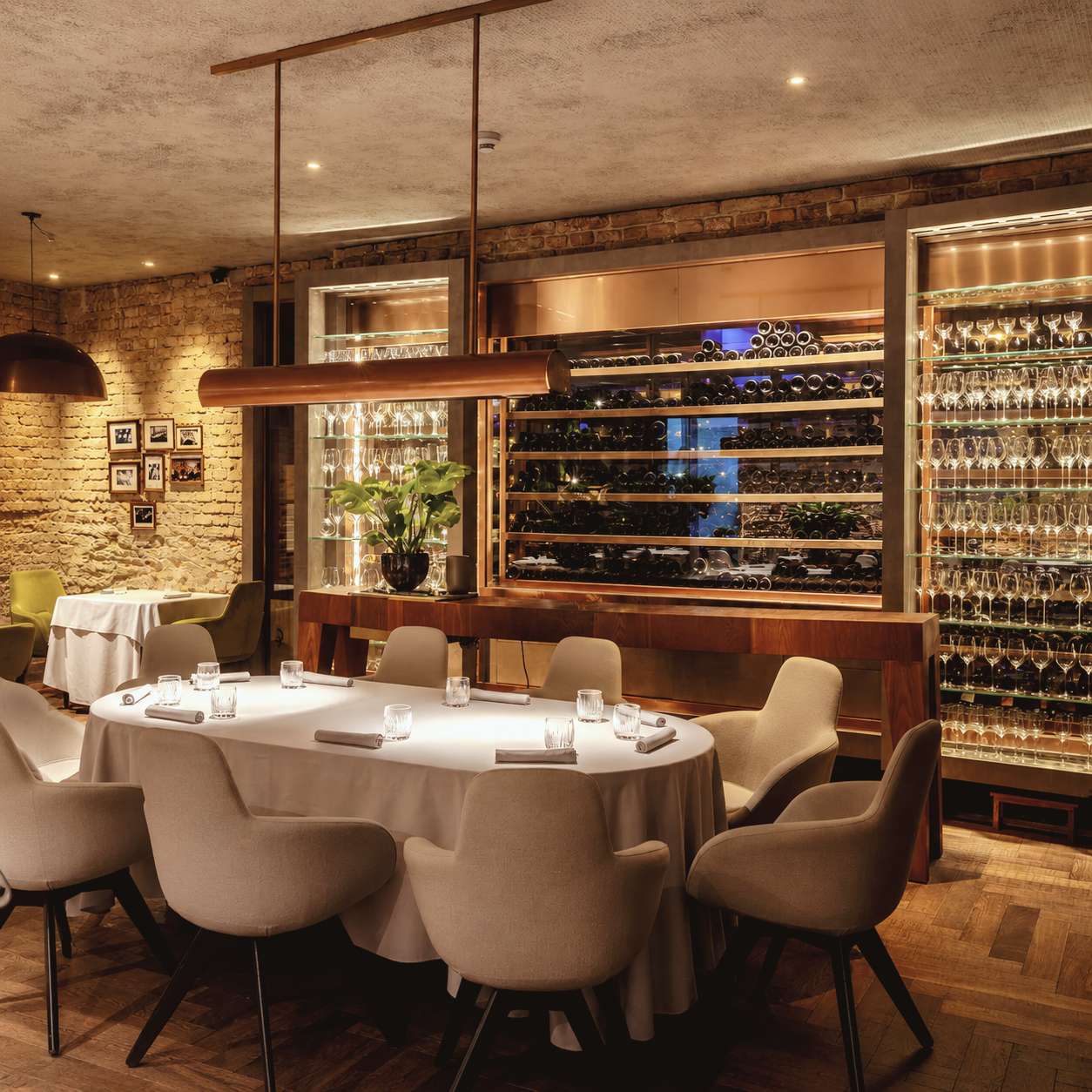
Borkonyha brings together two of Hungary’s great pleasures: expressive cooking and exceptional wine. Contemporary dishes remain grounded in Hungarian flavors while an extensive cellar offers an introduction to vineyards and producers from across the country. Refined yet refreshingly approachable, it’s the kind of place where discovering Hungarian wine becomes as memorable as the meal itself.
-
![Essência restaurant in Budapest, Hungary, blending Hungarian and Portuguese culinary traditions in an intimate contemporary dining setting.]()
ESSÊNCIA
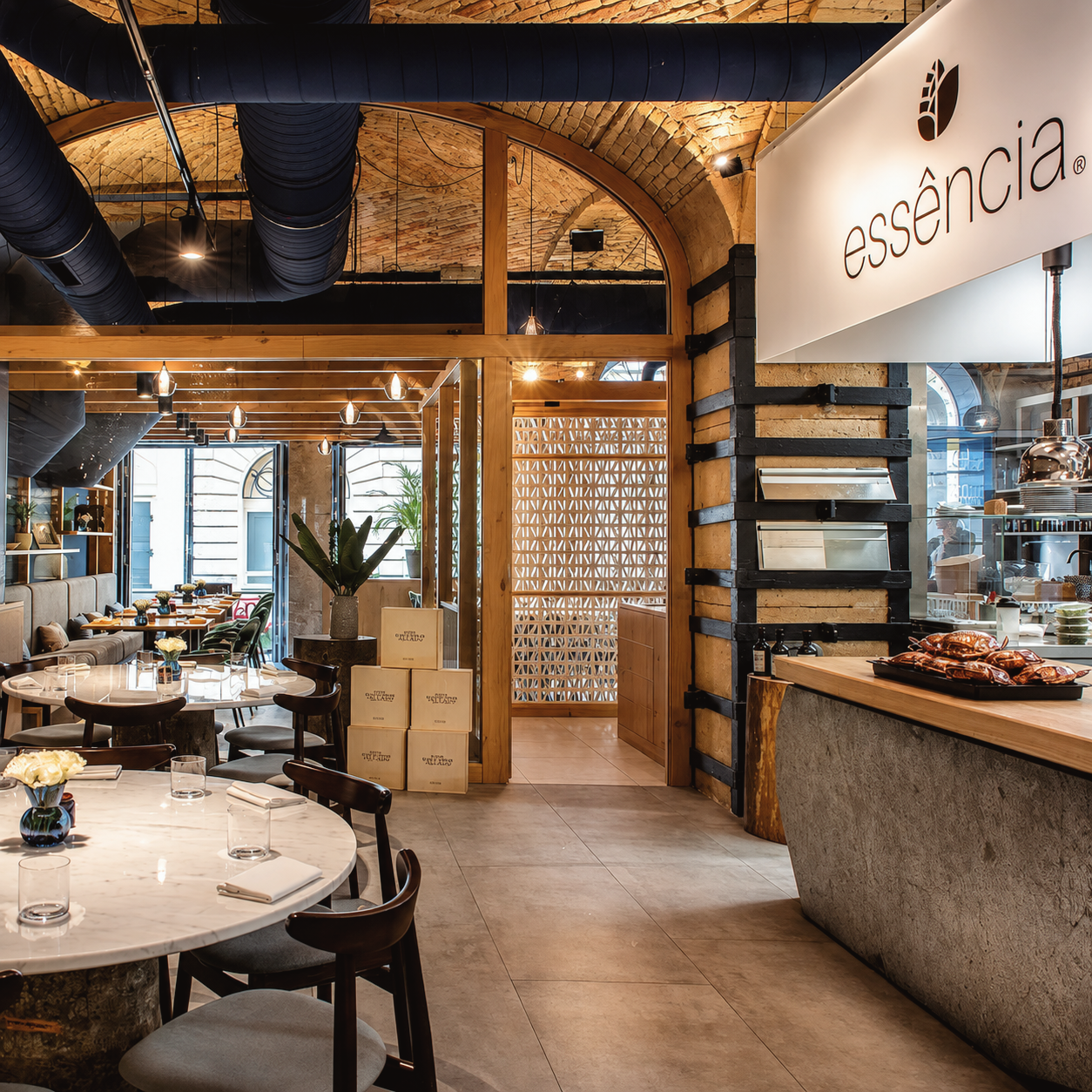
Essência is shaped by the shared story of chef Tiago Sabarigo and Éva Jenei, bringing Portuguese warmth and Hungarian tradition together at one table. The cooking moves naturally between the two cultures, finding connections in ingredients, memories, and techniques rather than simply placing them side by side. Personal and intimate, it offers a dining experience with a genuine story behind it.
-
![Rumour restaurant in Budapest, Hungary, featuring an immersive chef-led dining experience and creative contemporary cuisine.]()
RUMOUR
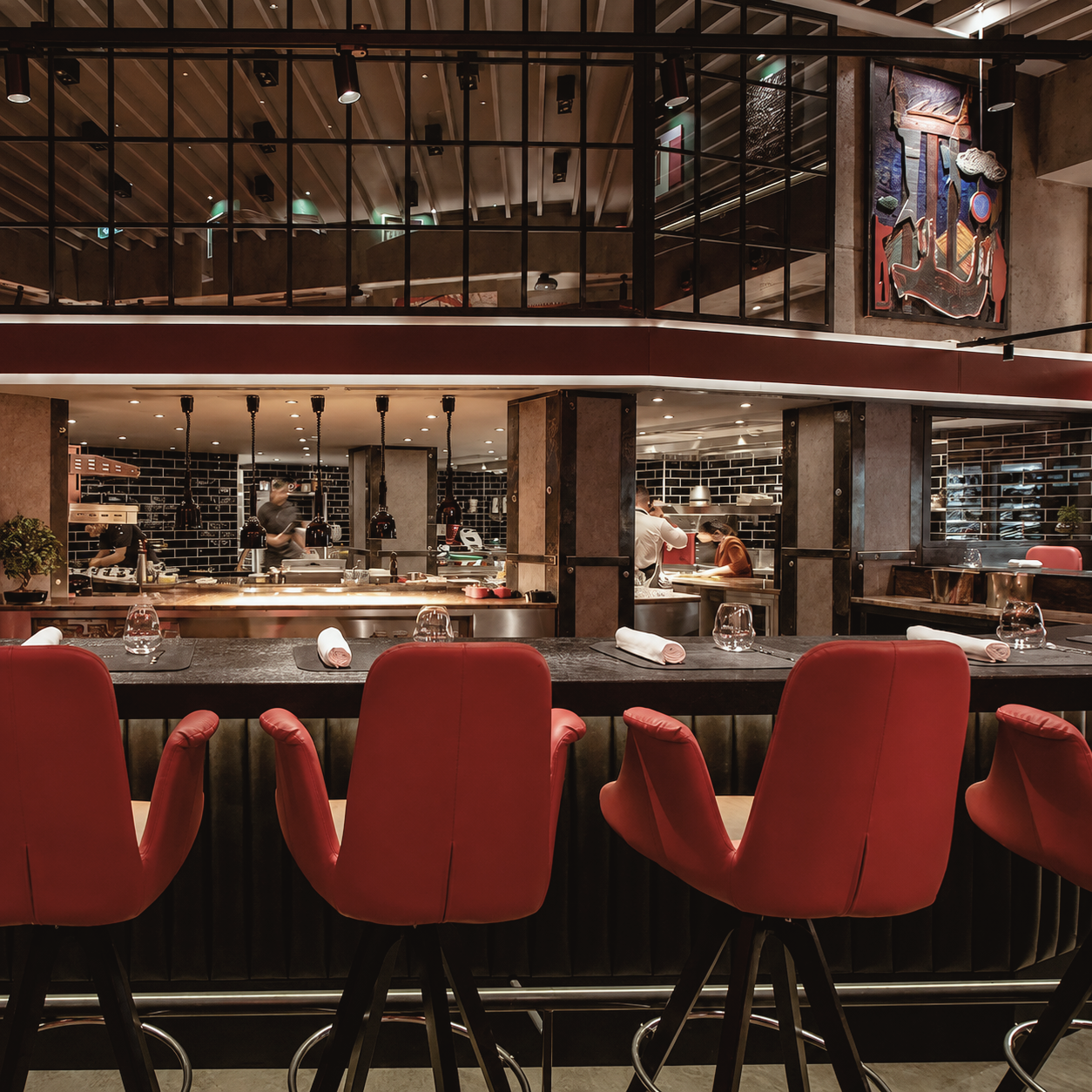
Rumour places you close to the creative process, turning dinner into an evening that unfolds around the kitchen itself. From the counter, guests experience the rhythm, precision, and personality behind each course as contemporary ideas and Hungarian influences come together. Energetic and immersive, it’s a compelling alternative to Budapest’s more traditional fine-dining rooms.
-
![Szaletly restaurant in Budapest, Hungary, serving contemporary interpretations of traditional Hungarian cuisine in a stylish neighborhood setting.]()
SZALETLY
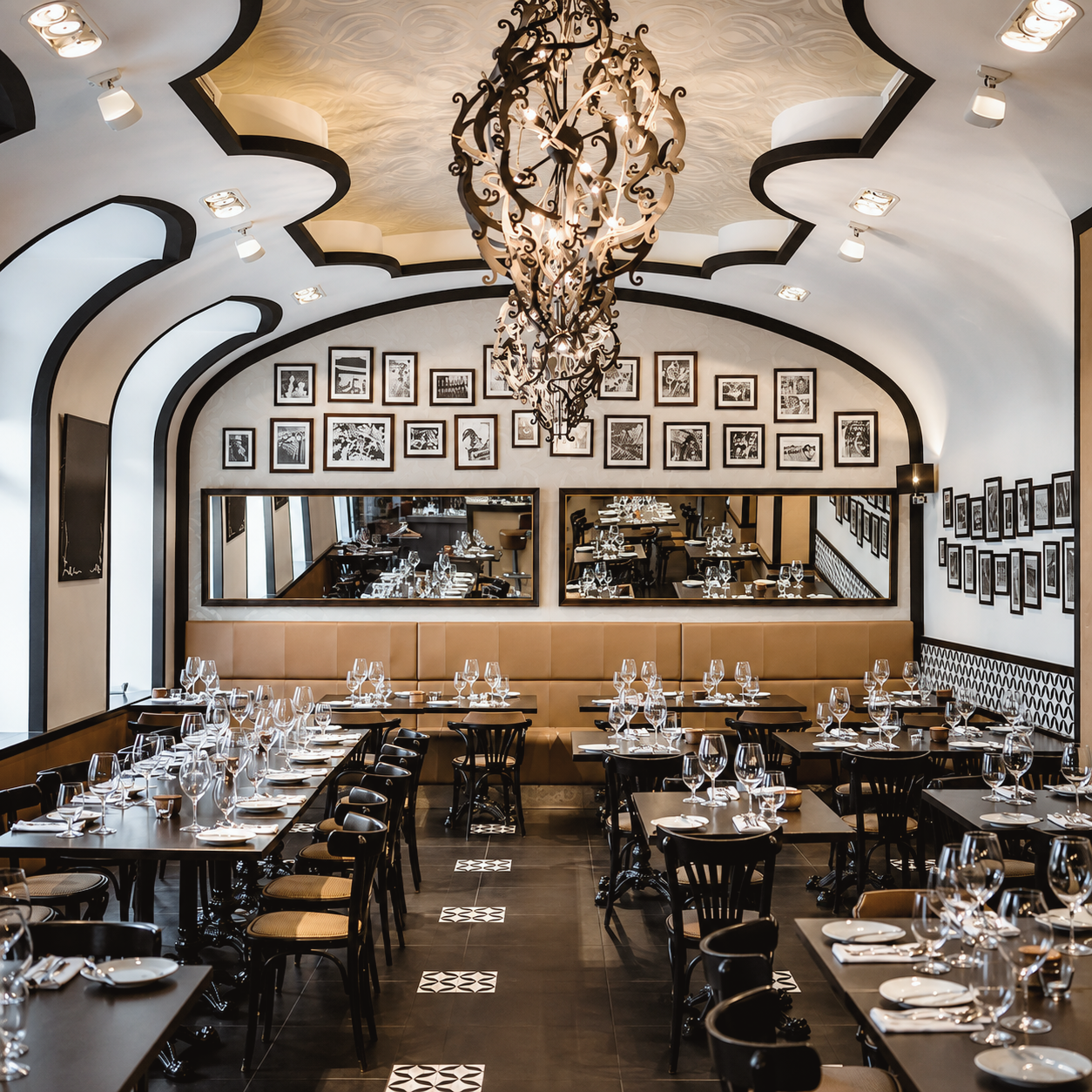
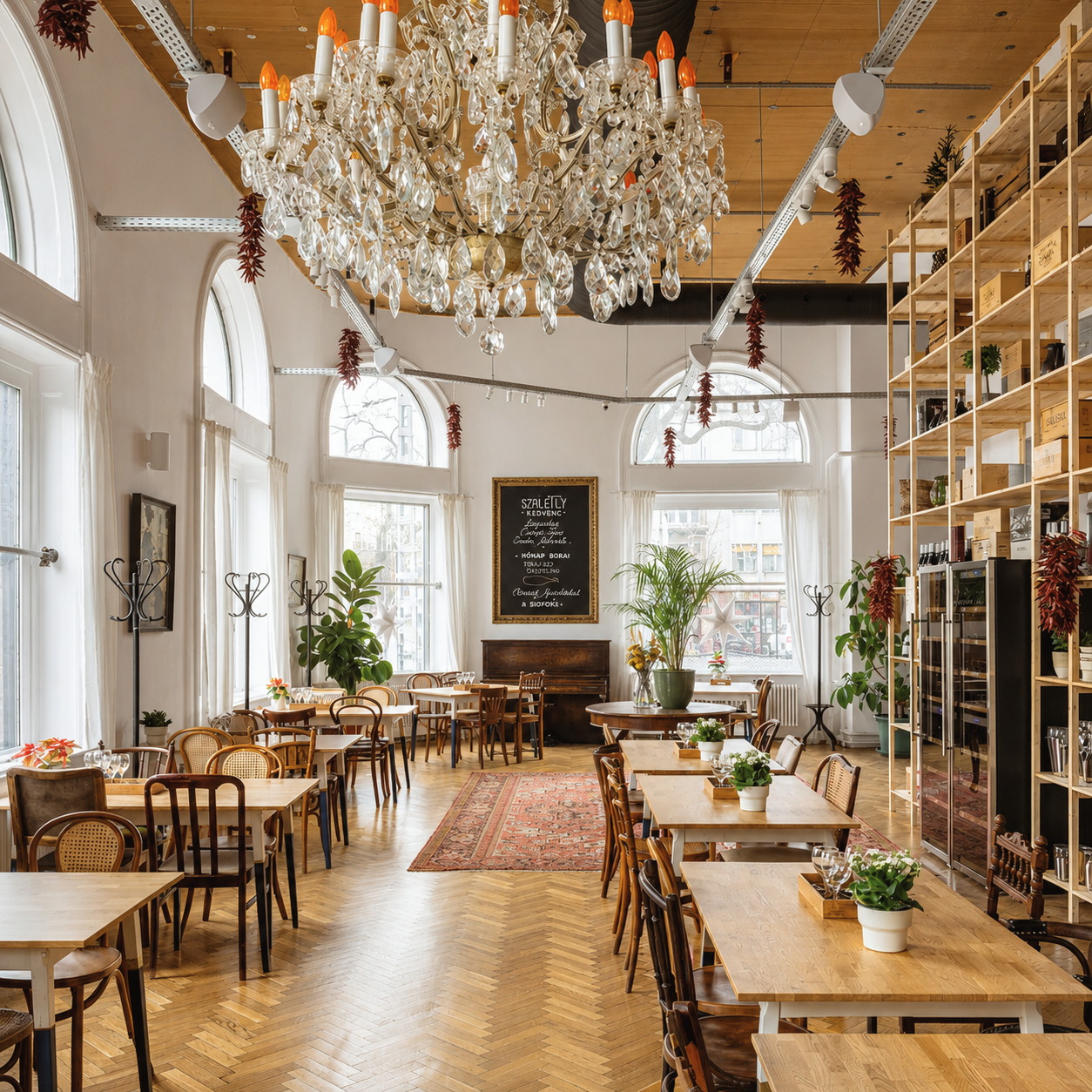
A warm, design-forward neighborhood restaurant where Hungarian flavors are reimagined with a modern point of view. Szaletly pairs seasonal ingredients and familiar regional dishes with thoughtful presentation and an inviting atmosphere—offering a distinctly local dining experience that feels connected to Budapest’s culinary heritage while refreshingly of the moment.
-
![Textúra restaurant in Budapest, Hungary, featuring creative contemporary cuisine and an artistic modern dining atmosphere.]()
TEXTÚRA
Textúra brings a more playful spirit to contemporary Hungarian dining, pairing imaginative cooking with a lively, artful setting. Seasonal ingredients and familiar flavors are given unexpected turns, while Hungarian wines keep the experience connected to the country beyond the plate. Creative without becoming overly formal, it captures the energy of modern Budapest beautifully.
-
![N28 Wine & Kitchen in Budapest, Hungary, featuring modern Hungarian cuisine paired with a curated selection of regional wines.]()
N28 WINE & KITCHEN
N28 is an intimate celebration of Hungary’s kitchen and vineyards, where thoughtfully prepared dishes are accompanied by a wine list devoted largely to local producers. There’s an ease to the experience that makes discovering unfamiliar grapes, regions, and Hungarian flavors feel natural rather than ceremonial. Come for dinner, but allow the wine to lead you a little further into the country.
-
![TATI restaurant in Budapest, Hungary, featuring seasonal farm-to-table cuisine inspired by Hungarian ingredients and contemporary local food culture.]()
TATI
TATI brings the Hungarian countryside into the heart of Budapest through ingredients sourced with a close connection to the land, including produce from its own farm. Traditional flavors appear in fresh, contemporary forms, complemented by a thoughtful selection of regional wines and an easygoing neighborhood atmosphere. It’s a glimpse of a younger Budapest—creative, conscious, and increasingly interested in returning to its roots.
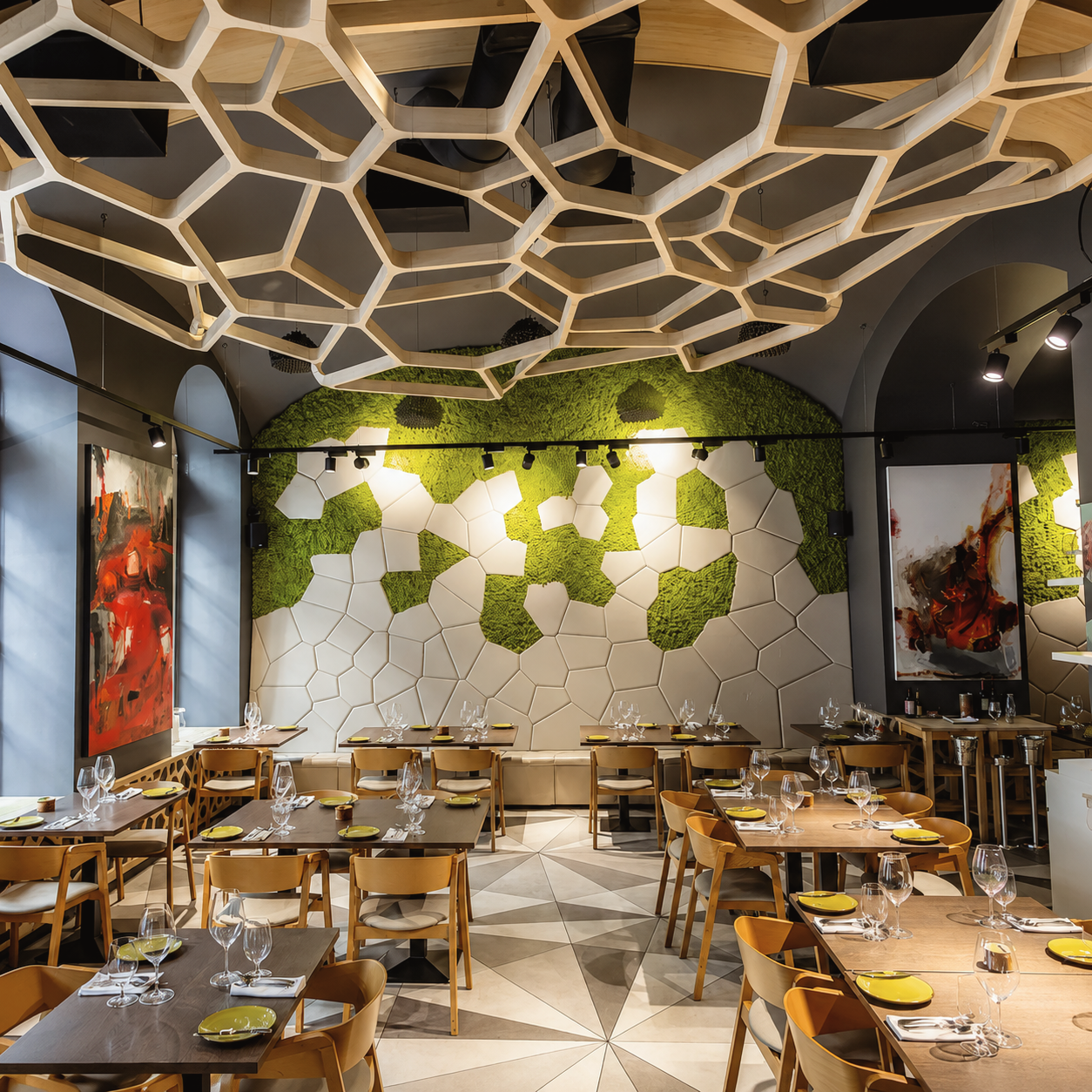
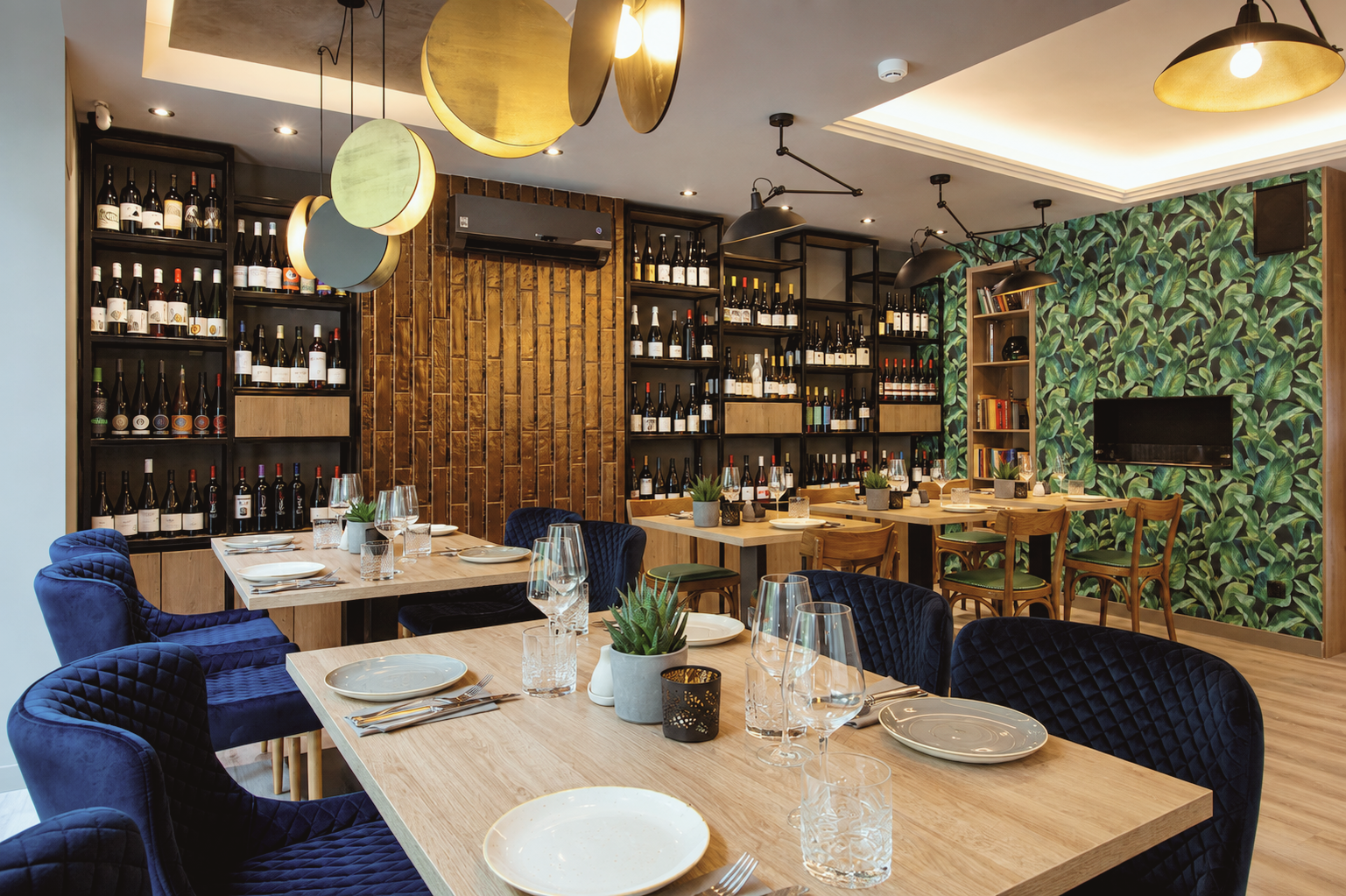
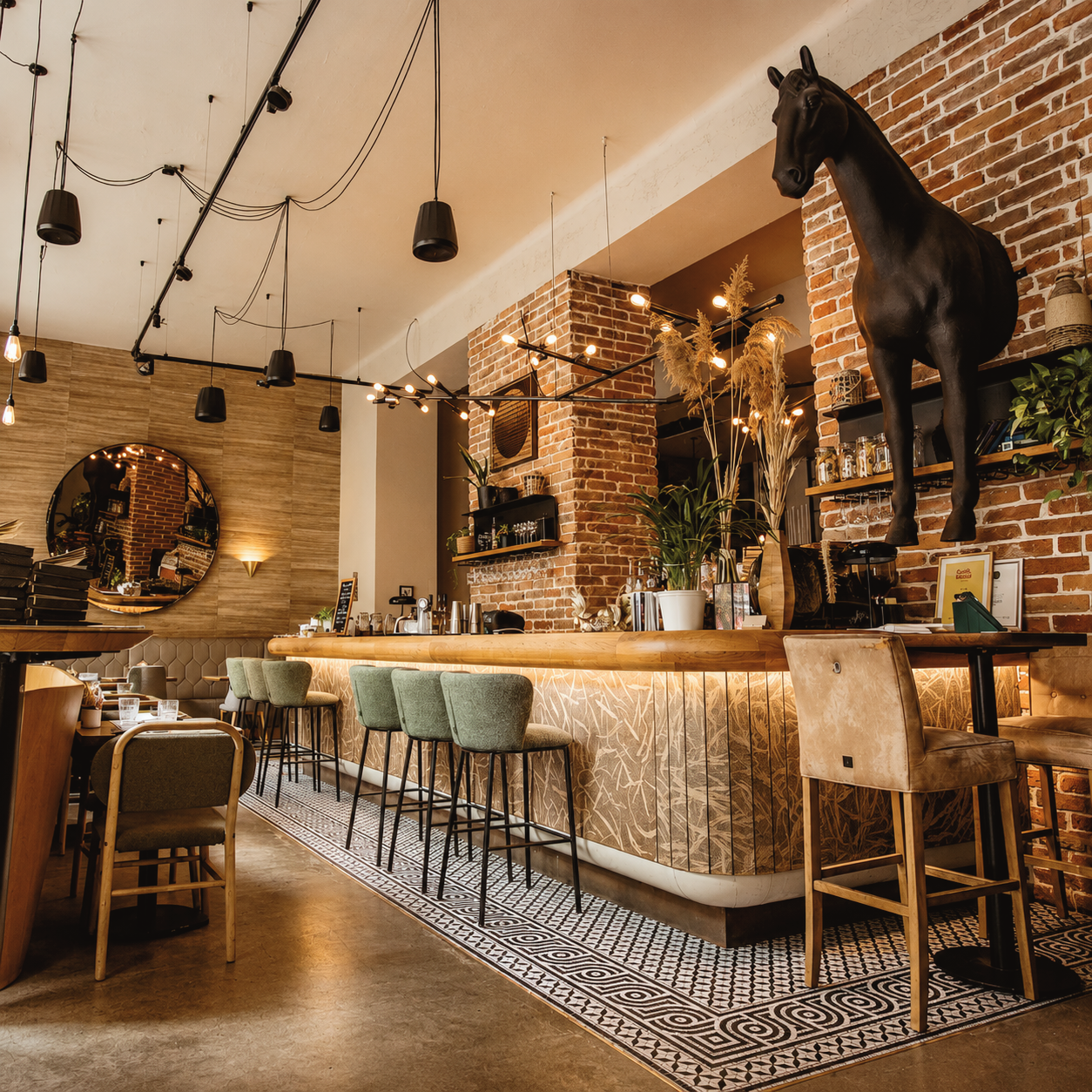
A Soverra Moment
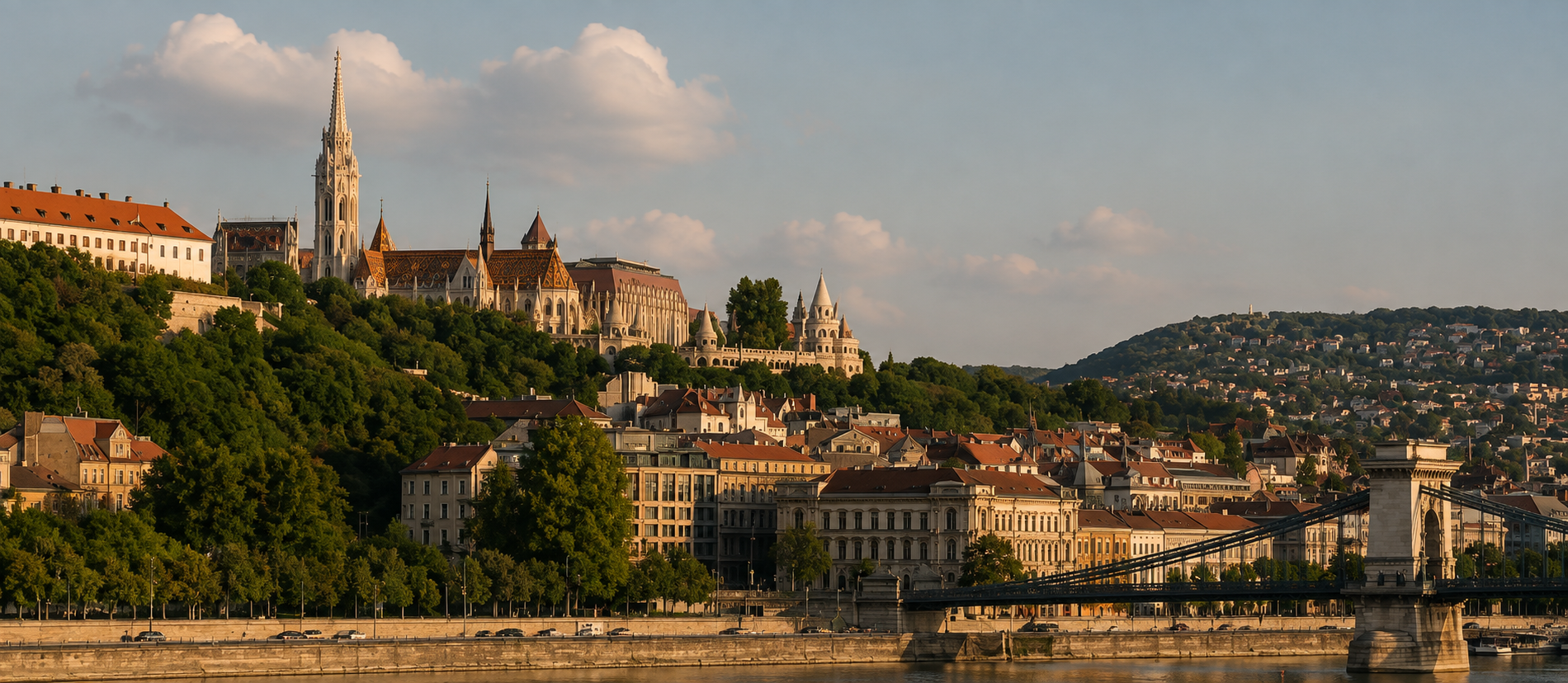
Cross the Chain Bridge as the last light settles over the Danube, then find a quiet table on the Buda side for a glass of Hungarian wine. Watch Parliament begin to glow across the water and stay as Budapest slips from golden hour into night—no agenda, just the river, the city, and a little time to take it all in.
Frequently Asked Questions
-
Absolutely. Budapest is one of Europe's most rewarding capitals, offering world-class architecture, thermal baths, vibrant café culture, and exceptional food and wine at a value that's hard to match. Whether you're exploring the cobblestone streets of Buda Castle, relaxing in historic bathhouses, or enjoying sunset along the Danube, the city blends grandeur with authenticity in a way few destinations can. For travelers who appreciate culture, design, and memorable local experiences, Budapest is an easy recommendation.
-
We recommend spending 3-5 days in Budapest to experience the city at the right pace. That gives you enough time to explore both Buda and Pest, visit iconic landmarks, unwind in a thermal bath, enjoy the city's renowned cafés and wine bars, and discover neighborhoods beyond the main attractions. If you enjoy museums, architecture, and slow travel, 5 days allows you to experience Budapest much like a local.
-
Compared to many of Europe's major capitals, Budapest offers exceptional value. Boutique hotels, Michelin-recognized restaurants, historic cafés, and cultural attractions are often significantly more affordable than cities like Paris, London, or Amsterdam. While luxury experiences are readily available, it's entirely possible to enjoy Budapest's finest architecture, food, wine, and thermal baths without stretching your travel budget—making it one of Europe's best destinations for sophisticated travelers seeking both quality and value.
-
Budapest uses the Hungarian Forint (HUF). Credit cards are widely accepted at hotels, restaurants, and shops, though carrying a small amount of forint is useful for markets, cafés, and smaller purchases. While some places accept euros, paying in forint generally offers better value.
-
Budapest Ferenc Liszt International Airport (BUD) is the city’s main international airport, located approximately 16 kilometers (10 miles) southeast of central Budapest. The city center can be reached by airport shuttle, taxi, private transfer, or public transportation, with the journey typically taking around 30–45 minutes depending on traffic.
-
Yes. Budapest is one of Europe's most walkable capitals, especially within neighborhoods like the Castle District, Lipótváros, Erzsébetváros, and along the Danube Promenade. Many of the city's most iconic landmarks are connected by scenic streets and historic bridges, making walking one of the best ways to experience its architecture and atmosphere. For longer distances, Budapest's metro, trams, and river ferries make getting around simple and affordable.
-
No. A car isn't necessary—and is often more of a hassle than a convenience. Budapest has an excellent public transportation system, including metro lines, historic trams, buses, and walkable neighborhoods that make exploring easy. If you're staying within the city, you'll likely rely on walking and public transit, with taxis or rideshares available for late evenings. A rental car is only worth considering if you're planning day trips into the Hungarian countryside.
-
Budapest is beautiful year-round, but the best times to visit are April through June and September through October. Spring brings blooming parks, café terraces, and mild weather, while autumn offers golden light, wine festivals, and comfortable temperatures for exploring the city on foot. Summer is lively with outdoor events and river cruises, though it can be warm and busy. Winter transforms Budapest into one of Europe's most magical destinations, with festive Christmas markets, thermal baths, and cozy historic cafés providing the perfect seasonal escape.
-
Yes. Budapest is considered one of the safest capital cities in Europe and is an excellent destination for solo travelers, couples, and families alike. As with any major city, it's wise to stay aware of your surroundings in crowded tourist areas and on public transportation, but violent crime is uncommon. Most visitors find Budapest welcoming, easy to navigate, and comfortable to explore both during the day and into the evening.
-
The best neighborhood depends on how you like to travel. Lipótváros (District V) is ideal for first-time visitors, offering elegant hotels, iconic landmarks, and easy access to the Danube. The Castle District provides a quieter, historic atmosphere with sweeping views and boutique stays, while Erzsébetváros (Jewish Quarter) is perfect for travelers seeking lively restaurants, wine bars, cafés, and nightlife. No matter where you stay, Budapest's excellent public transportation makes it easy to explore both sides of the city.
-
Yes. English is widely spoken throughout Budapest, particularly in hotels, restaurants, cafés, museums, and popular attractions. Younger Hungarians and those working in tourism generally speak English well, making it easy for most visitors to navigate the city. Learning a few Hungarian phrases is always appreciated, but you'll have little difficulty traveling comfortably with English alone.
SOVERRA CONCIERGE
budapest, curated around you
Thoughtful stays, memorable tables, cultural experiences, and the details in between—brought together into a journey shaped entirely around the way you want to travel.