DESTINATIONS
Brussels, belgium
A city of quiet elegance and unexpected character. Brussels unfolds through gilded squares, Art Nouveau streets, storied cafés, and a creative spirit shaped by centuries of culture.
The Soverra Take
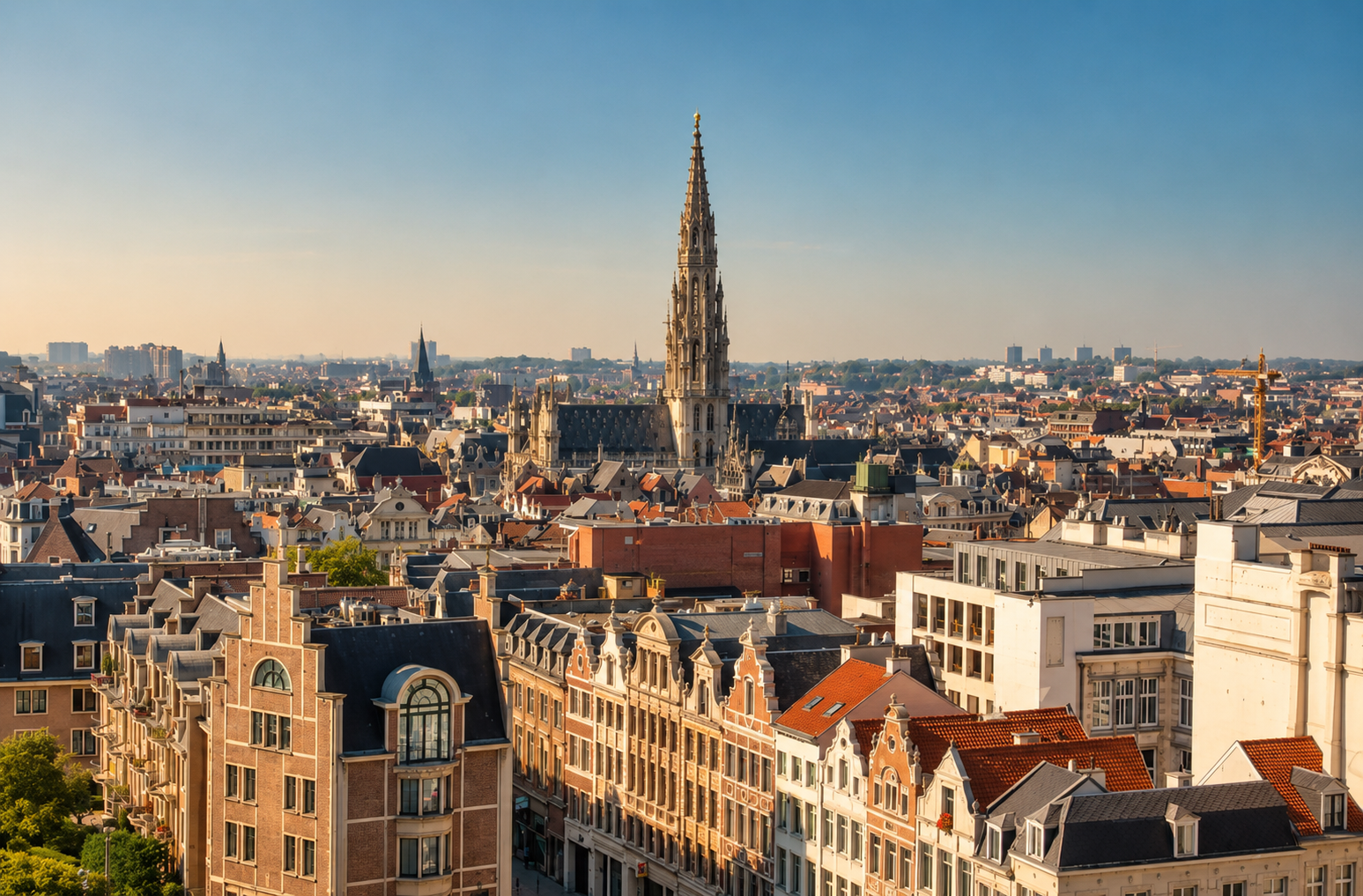
Beyond its grand squares and gilded façades, the city is found in quiet courtyards, lingering café tables, neighborhood markets, and evenings that unfold without a plan. Brussels invites you to wander slowly, look a little closer, and discover the beauty in what you might otherwise pass by.
BRUSSELS ISN'T A CITY YOU VISIT—IT'S ONE YOU LINGER IN.
About brussels
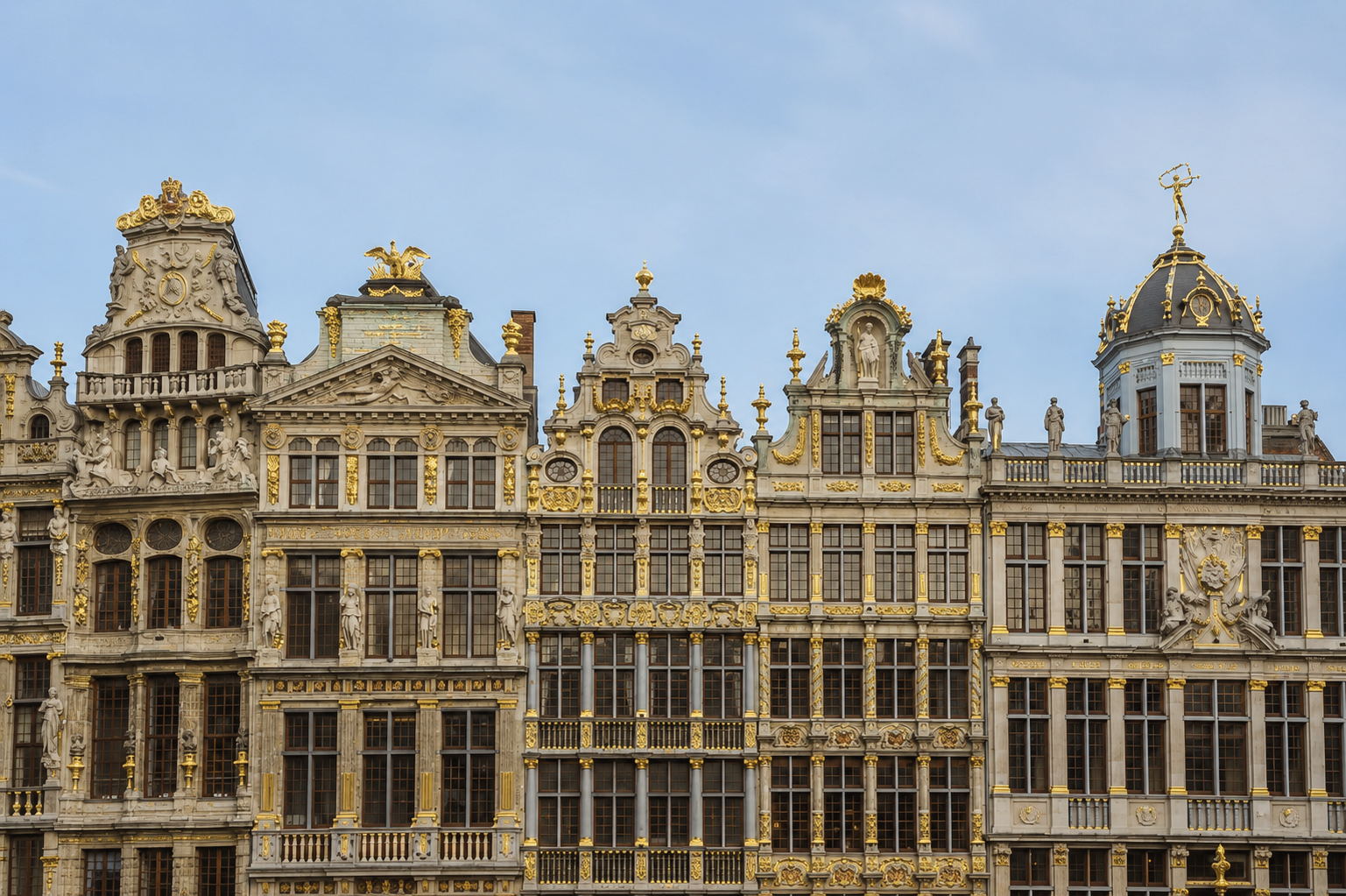
Brussels has long stood at the crossroads of Europe, shaped by centuries of trade, craftsmanship, and cultural exchange before becoming the capital of Belgium and a center of European political life. Its architecture tells that layered story, from the ornate guild houses of Grand Place to the Art Nouveau legacy of Victor Horta and the elegant streets of Sablon. Belgian culture is woven into everyday life through generations-old chocolatiers, neighborhood breweries, café traditions, markets, and a celebrated artistic heritage that includes Surrealist René Magritte. French and Dutch influences meet an increasingly international population, giving Brussels a character that feels distinctly Belgian while reflecting the many cultures that have made the city their own.
Neighborhood Guide
-
![Grand Place in Brussels with ornate guildhalls and historic Belgian architecture]()
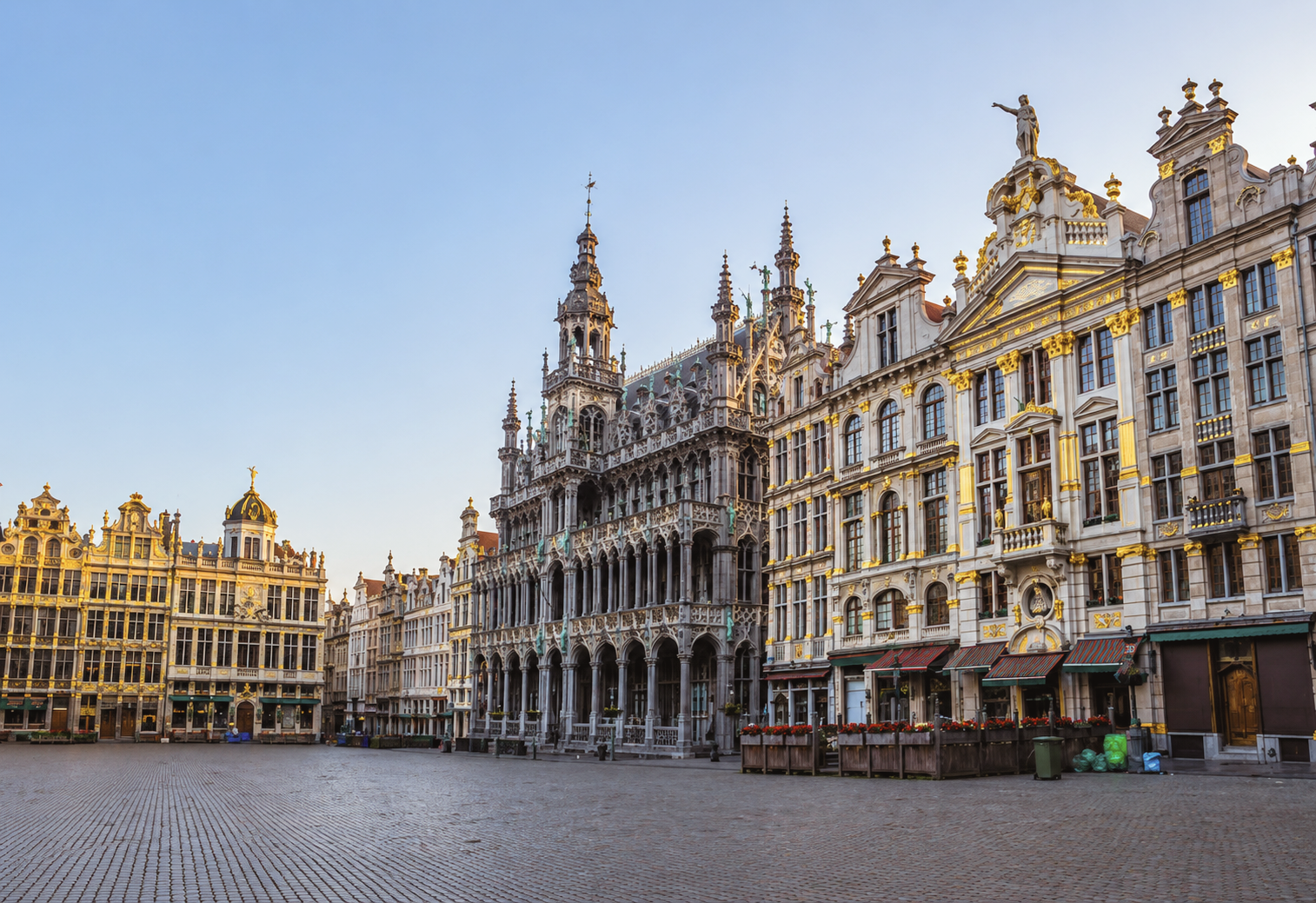
Grand Place
The historic heart of Brussels, where gilded guildhalls, intricate façades, and centuries of history surround one of Europe’s most remarkable squares. Wander the surrounding lanes for tucked-away cafés, Belgian chocolatiers, and storied architecture—a beautiful introduction to the city’s unmistakable character.
-
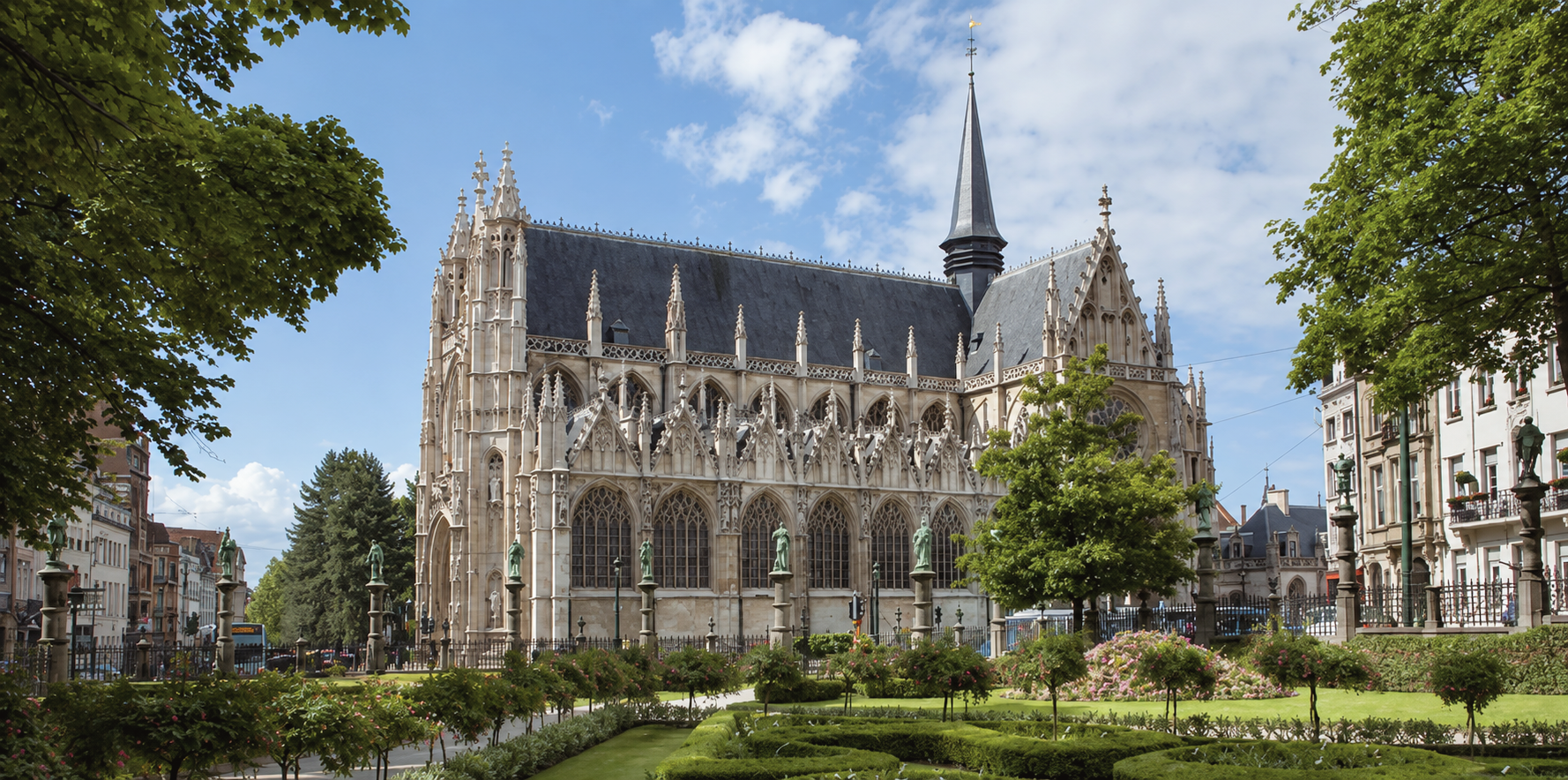
![Elegant streets and historic buildings in the Sablon neighborhood of Brussels]()
SABLON
Refined yet quietly atmospheric, Sablon brings together antique galleries, celebrated chocolatiers, elegant boutiques, and café terraces beneath graceful historic architecture. Spend an afternoon browsing its shops before settling in for a leisurely drink or dinner—Brussels at its most polished and timeless.
-
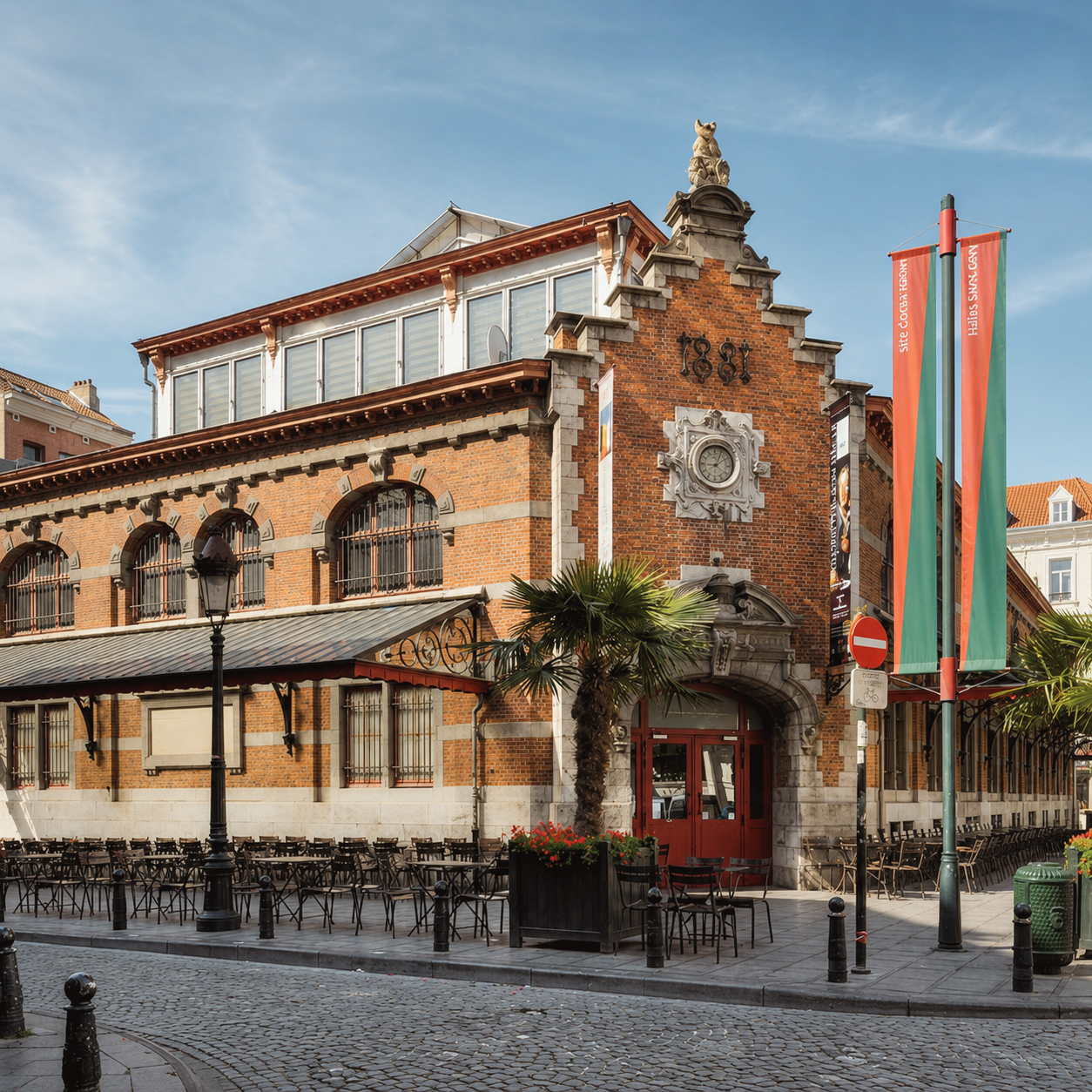
![Lively Saint-Géry neighborhood in central Brussels with cafés and historic architecture]()
SAINT-GÉRY
A lively pocket of central Brussels shaped by historic streets, independent addresses, and an easygoing café culture. By day, explore boutiques and design-minded spaces; by evening, terraces and intimate bars bring the neighborhood to life. A more contemporary glimpse into the rhythm of the city.
-
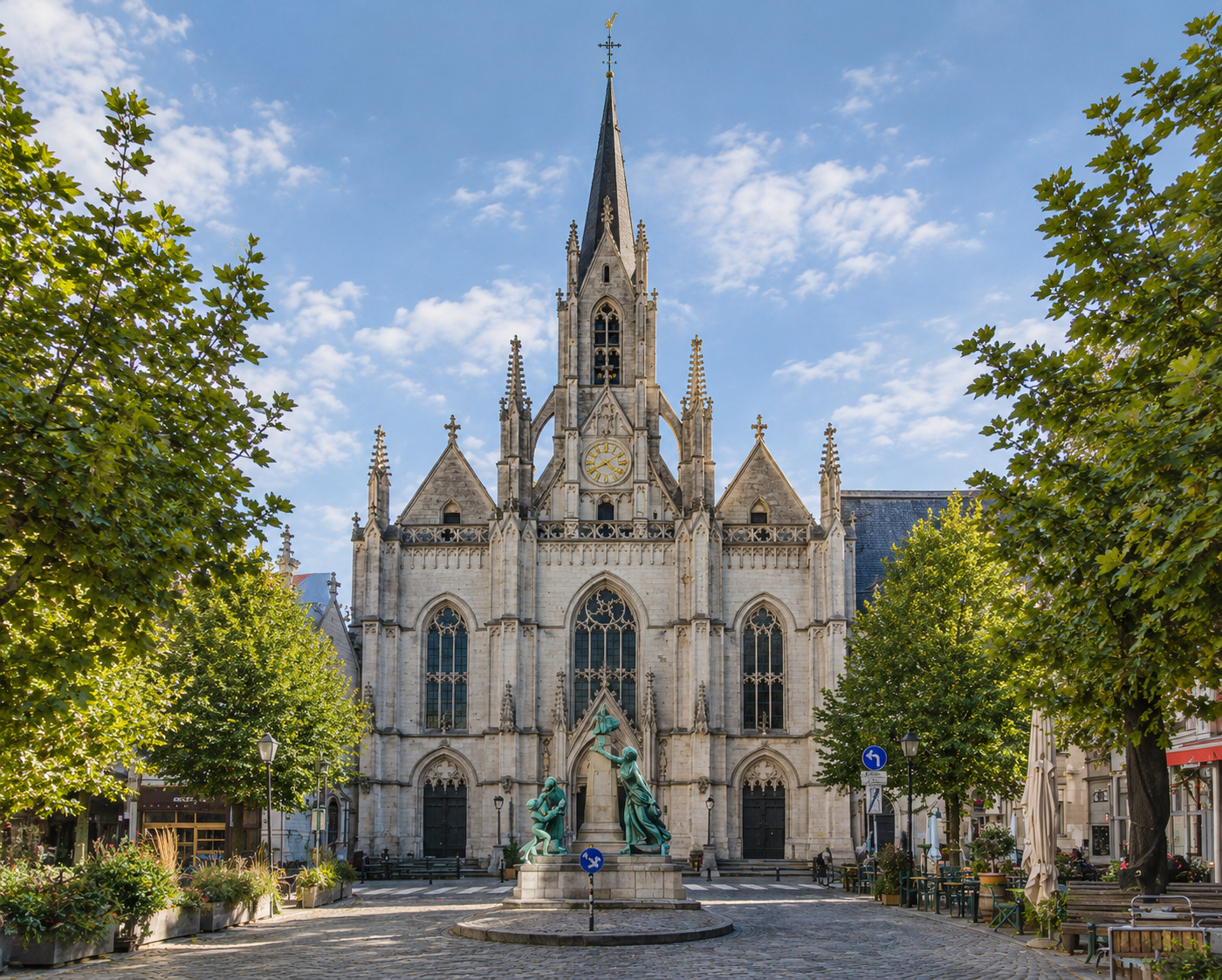
![Charming streets and architecture in the Ixelles neighborhood of Brussels]()
IXELLES
Cosmopolitan, creative, and distinctly local, Ixelles unfolds through elegant townhouses, leafy squares, independent boutiques, galleries, and some of Brussels’ most interesting dining. Its mix of cultures and architecture gives the neighborhood a layered character—ideal for travelers who prefer experiencing the city beyond its landmarks.
-
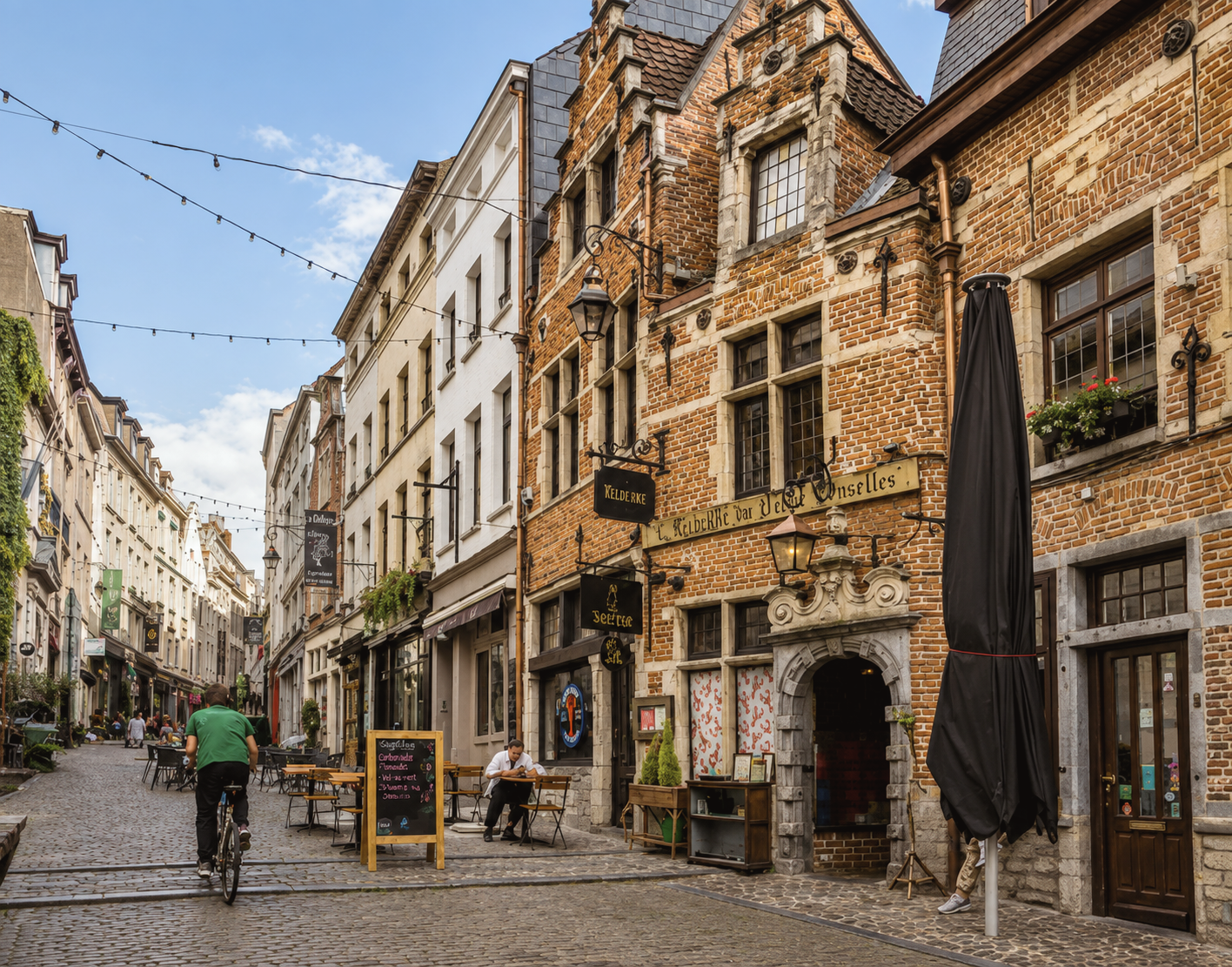
![Characterful streets of the Marolles neighborhood in Brussels, Belgium]()
MAROLLES
One of Brussels’ most characterful neighborhoods, the Marolles is a tapestry of antique shops, vintage finds, traditional cafés, street art, and everyday local life. Begin at the beloved Place du Jeu de Balle flea market, then wander without an agenda through its surrounding streets for a side of Brussels that feels wonderfully lived-in and authentic.
Top Experiences
-
![Magritte Museum in Brussels showcasing the work of Belgian surrealist René Magritte]()
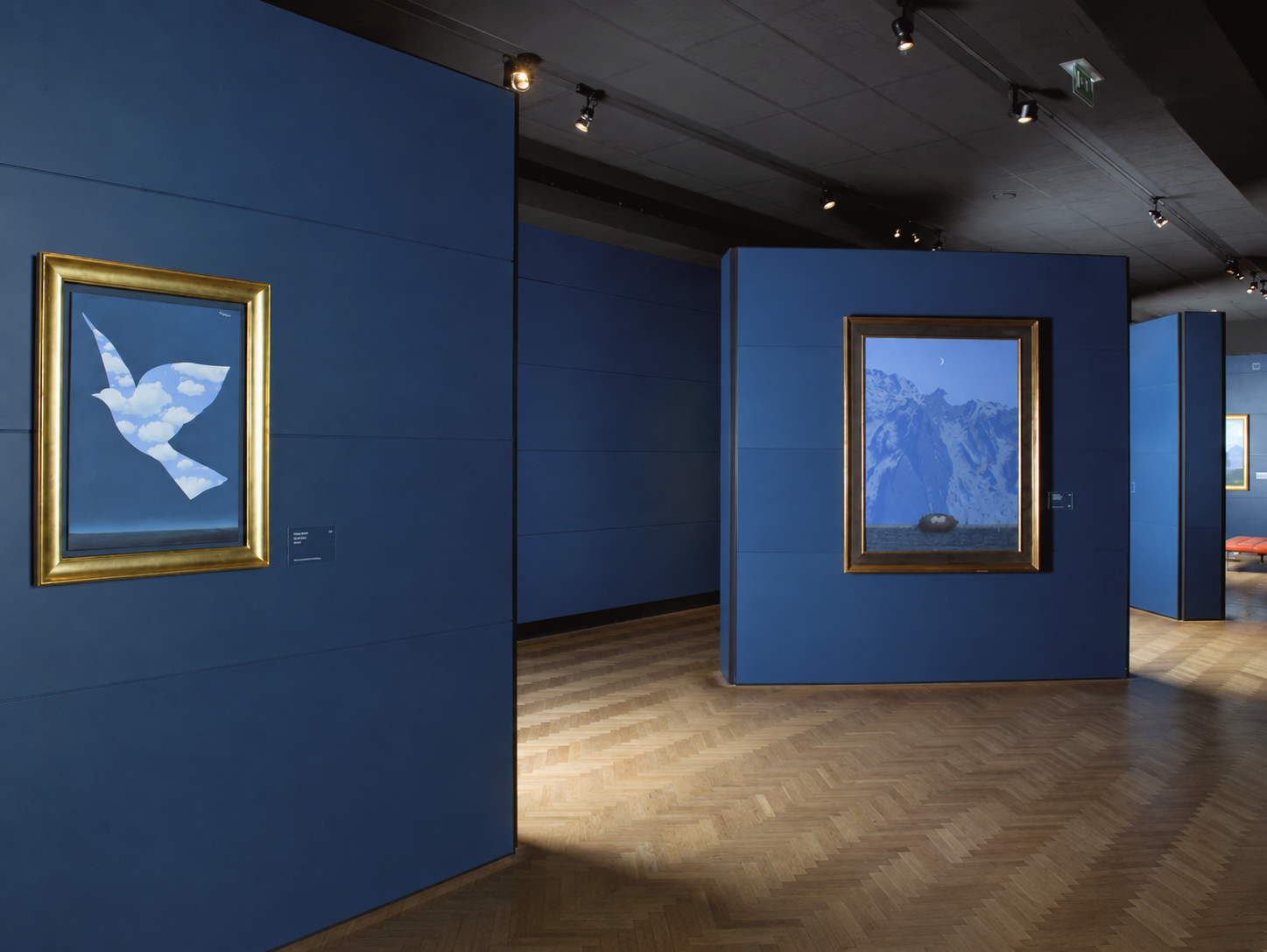
Discover Magritte & Belgian Surrealism
Step inside the wonderfully unconventional world of René Magritte at the Magritte Museum, home to the largest collection of his work anywhere in the world. Move through paintings, sketches, photographs, and personal pieces that reveal how one of Belgium’s most influential artists saw the ordinary differently. Pair your visit with a slow walk through the elegant Mont des Arts afterward, taking in one of Brussels’ most beautiful city views.
-
![Traditional Belgian waffle served in Brussels as part of a local food experience]()
Brussels Through Its Flavors
Experience Brussels one bite at a time on a privately guided tasting walk through the historic center. Seek out Belgian fries served crisp in a paper cone, a warm Brussels or Liège waffle, artisanal pralines, and traditional Belgian chocolate, choosing independent addresses and generations-old institutions over tourist stops. Between tastings, wander through tucked-away arcades and cobbled streets while learning how these beloved foods became part of Belgian culture.
-
![Artisan Belgian chocolates arranged for a chocolate tasting experience in Brussels]()
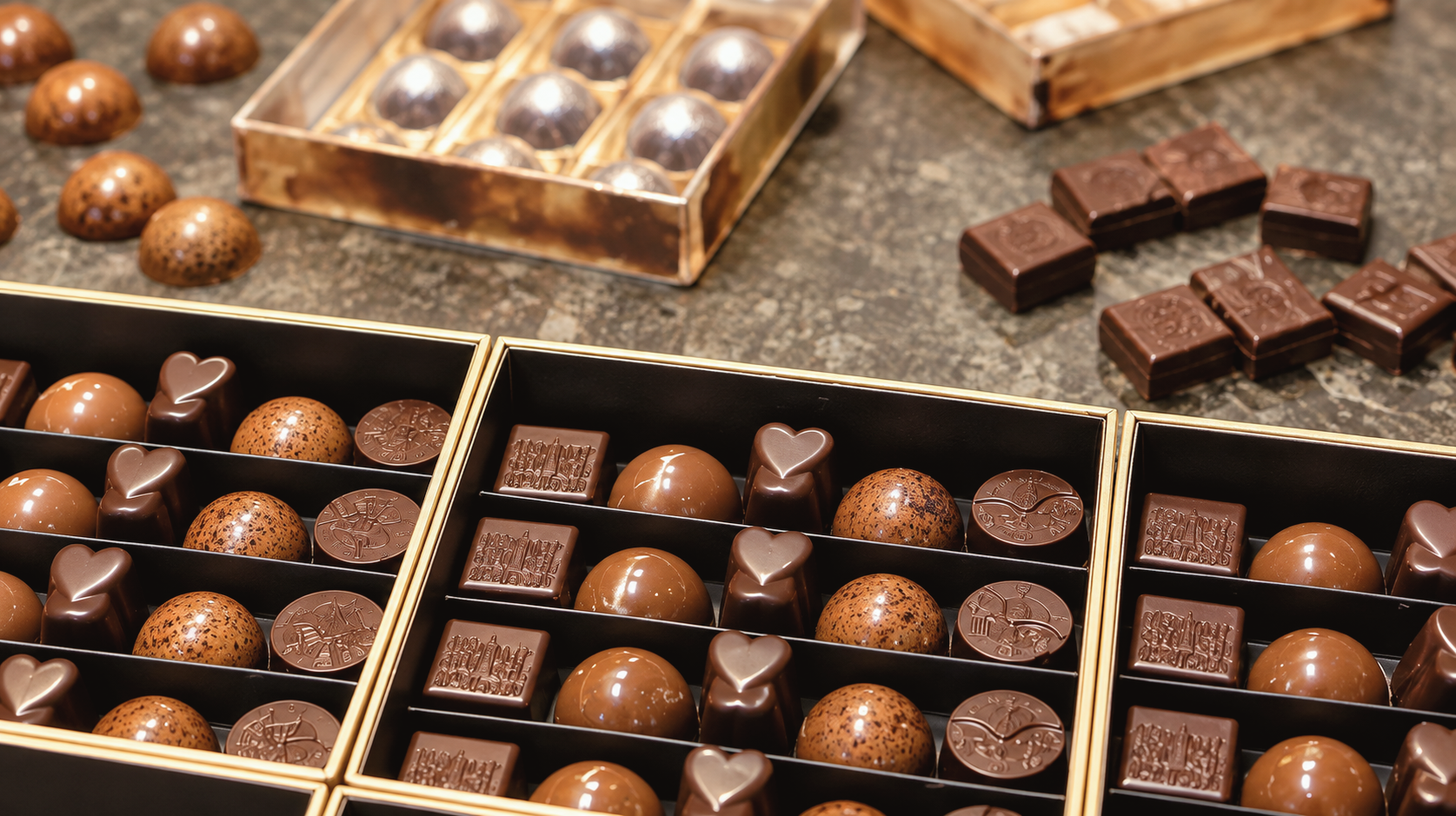
Enter the World of Belgian Chocolate
Go beyond simply tasting Belgian chocolate with an intimate workshop or private visit to one of Brussels’ artisan chocolatiers. Learn the craft behind pralines and ganache, taste chocolates made with different origins and techniques, and create a small selection of your own. It is a refined way to experience one of Belgium's most celebrated traditions from the people keeping the craft alive.
-
![Art Nouveau interior of the Victor Horta Museum in Brussels, Belgium]()
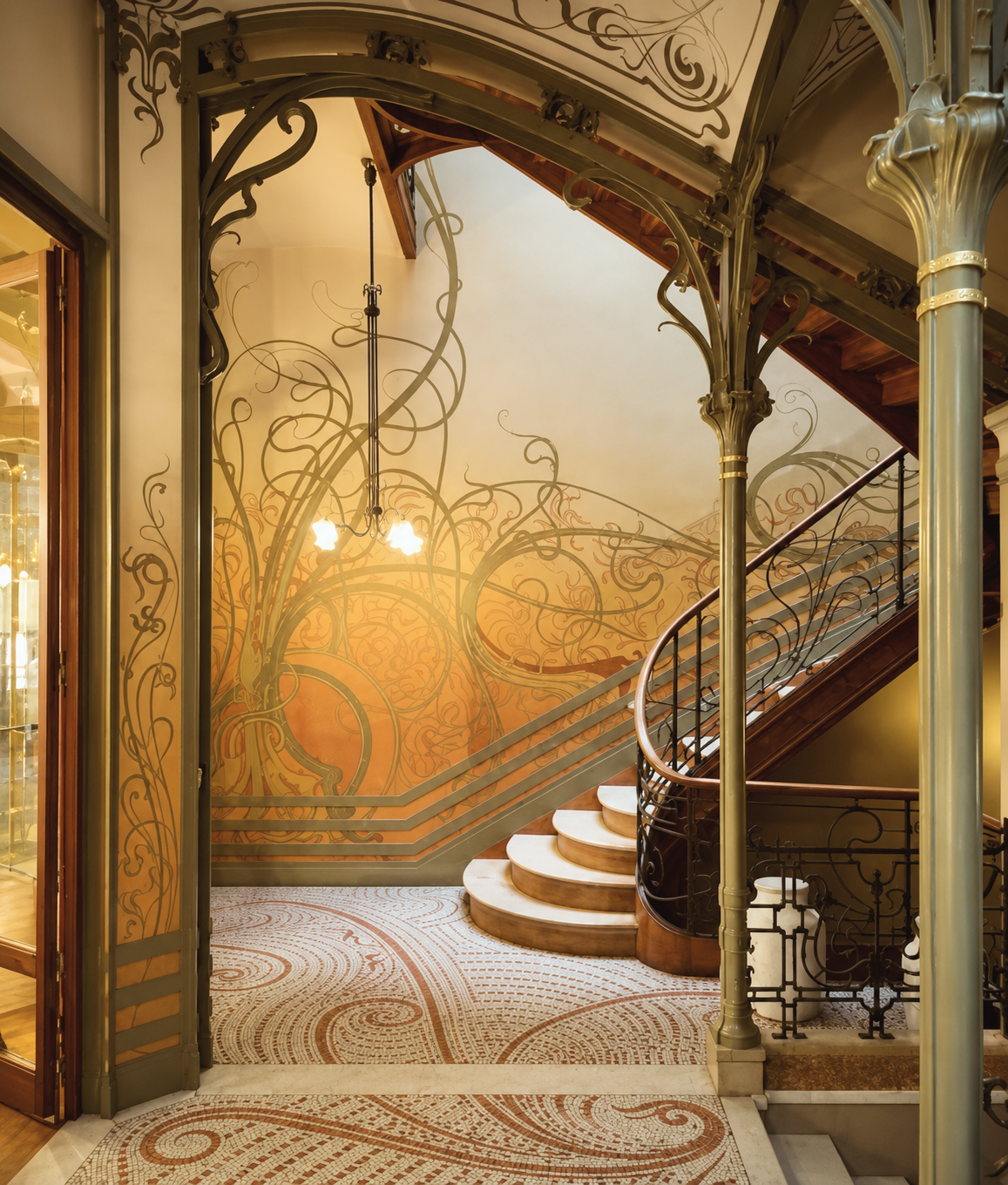
See Brussels Through Victor Horta
Discover the extraordinary architecture that helped make Brussels the birthplace of Art Nouveau. Begin at the Horta Museum, Victor Horta’s former home and studio, before exploring the surrounding streets with a private architecture guide who can point out the intricate ironwork, stained glass, mosaics, and curved façades easily missed on your own. Finish with coffee or an aperitif inside one of the city’s beautifully preserved historic interiors.
-
![Grand Place in Brussels during the quiet early morning before the city becomes busy]()
Grand-Place Before the City Wakes
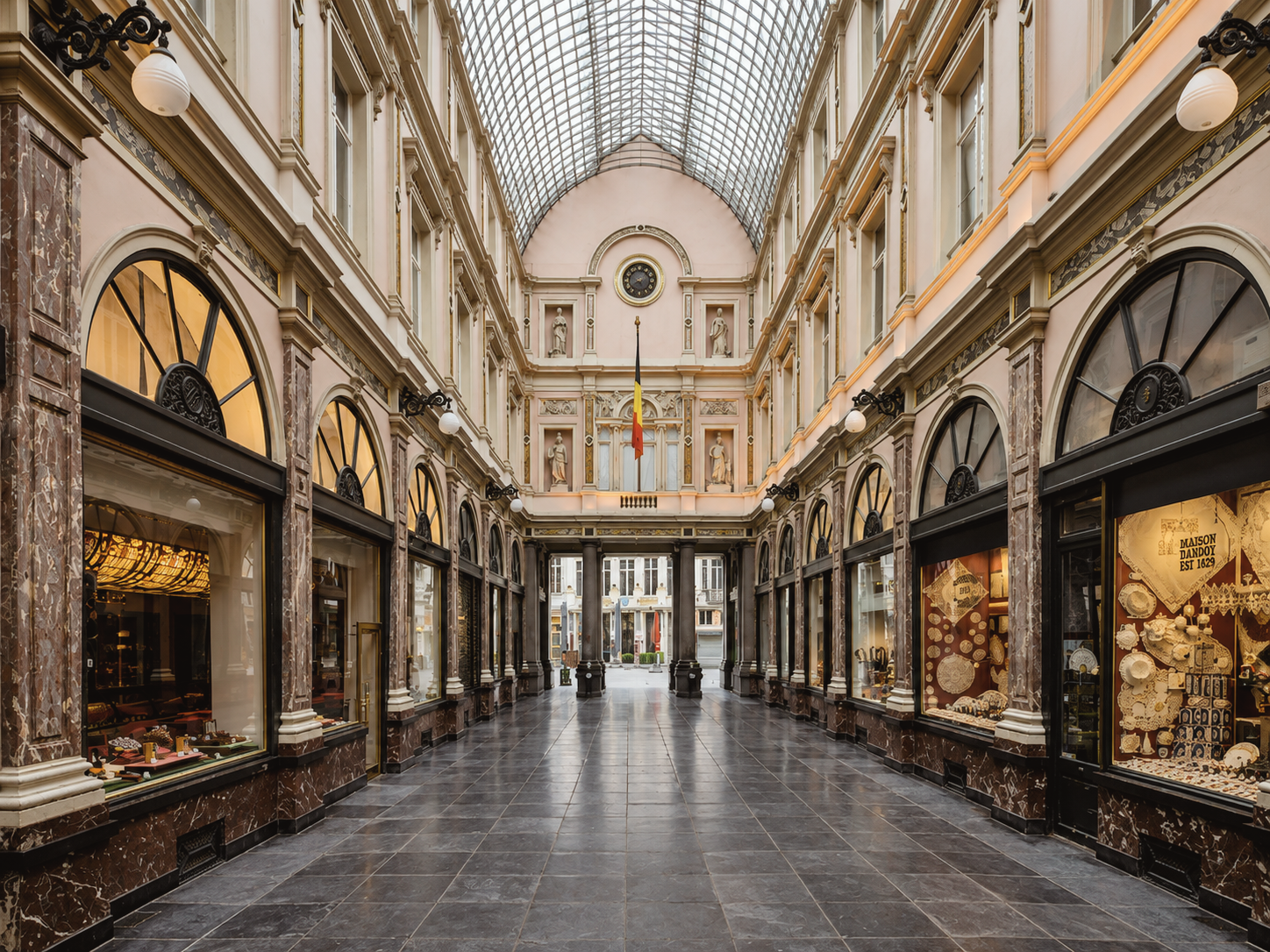
Experience the Grand-Place in the quiet of early morning, before its gilded guild houses are surrounded by the day's crowds. Wander through the surrounding medieval lanes as shutters begin to open, passing Galeries Royales Saint-Hubert and some of Brussels’ oldest shops and cafés. Stop for an unhurried coffee and pastry as the city gradually comes to life around you.
-
![La Monnaie opera house in central Brussels, one of Belgium’s leading cultural venues]()
An Evening at La Monnaie
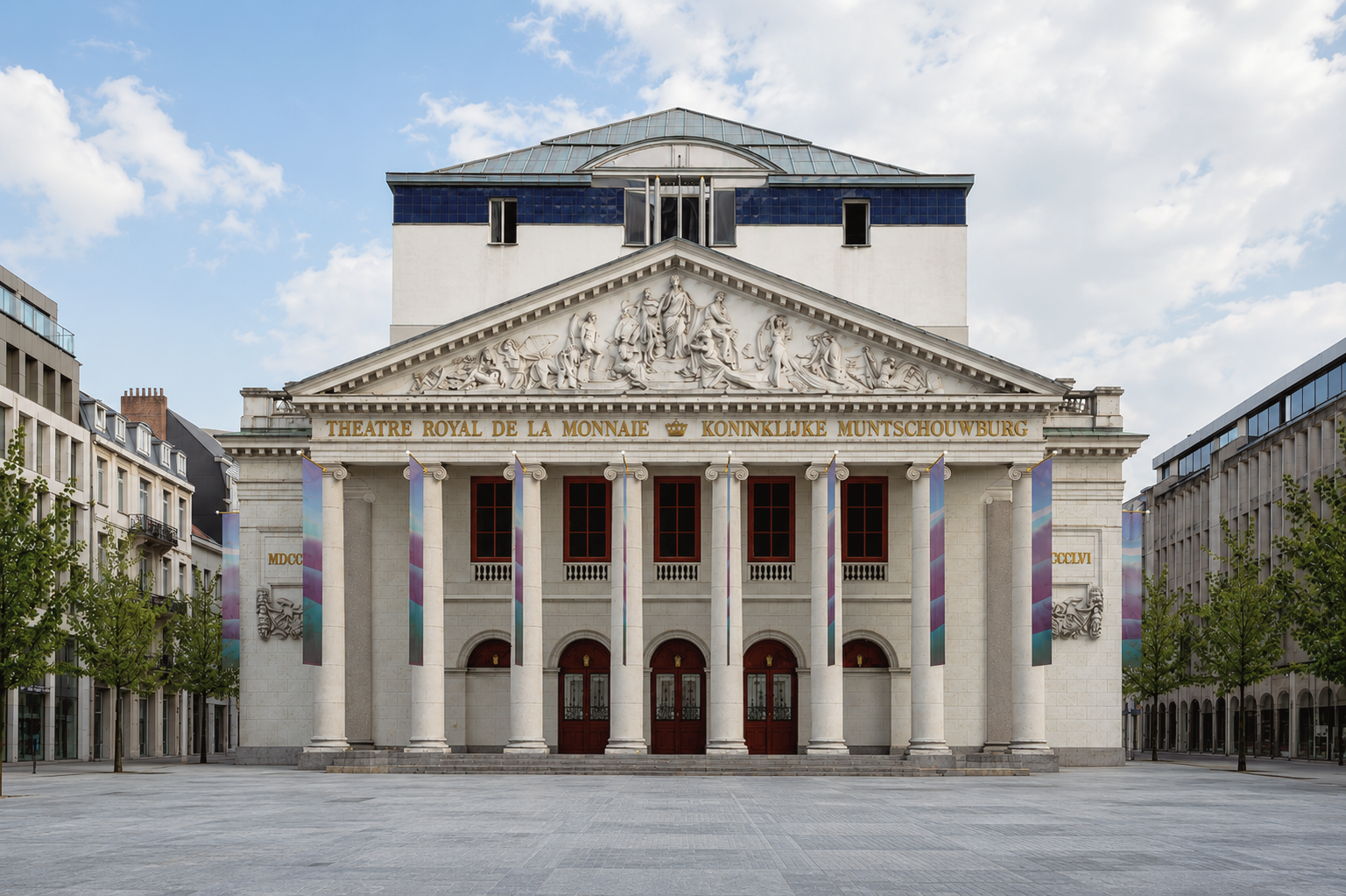
Dress for an evening at La Monnaie, Belgium’s historic national opera house and one of Europe's respected cultural institutions. Choose an opera, ballet, or concert and make an evening of it with an elegant dinner beforehand or a glass of Champagne nearby. It is the kind of experience that allows you to participate in Brussels' cultural life rather than simply observe it.
-
![Royal Palace of Brussels and its stately neoclassical façade in Belgium]()
Discover the Royal Brussels
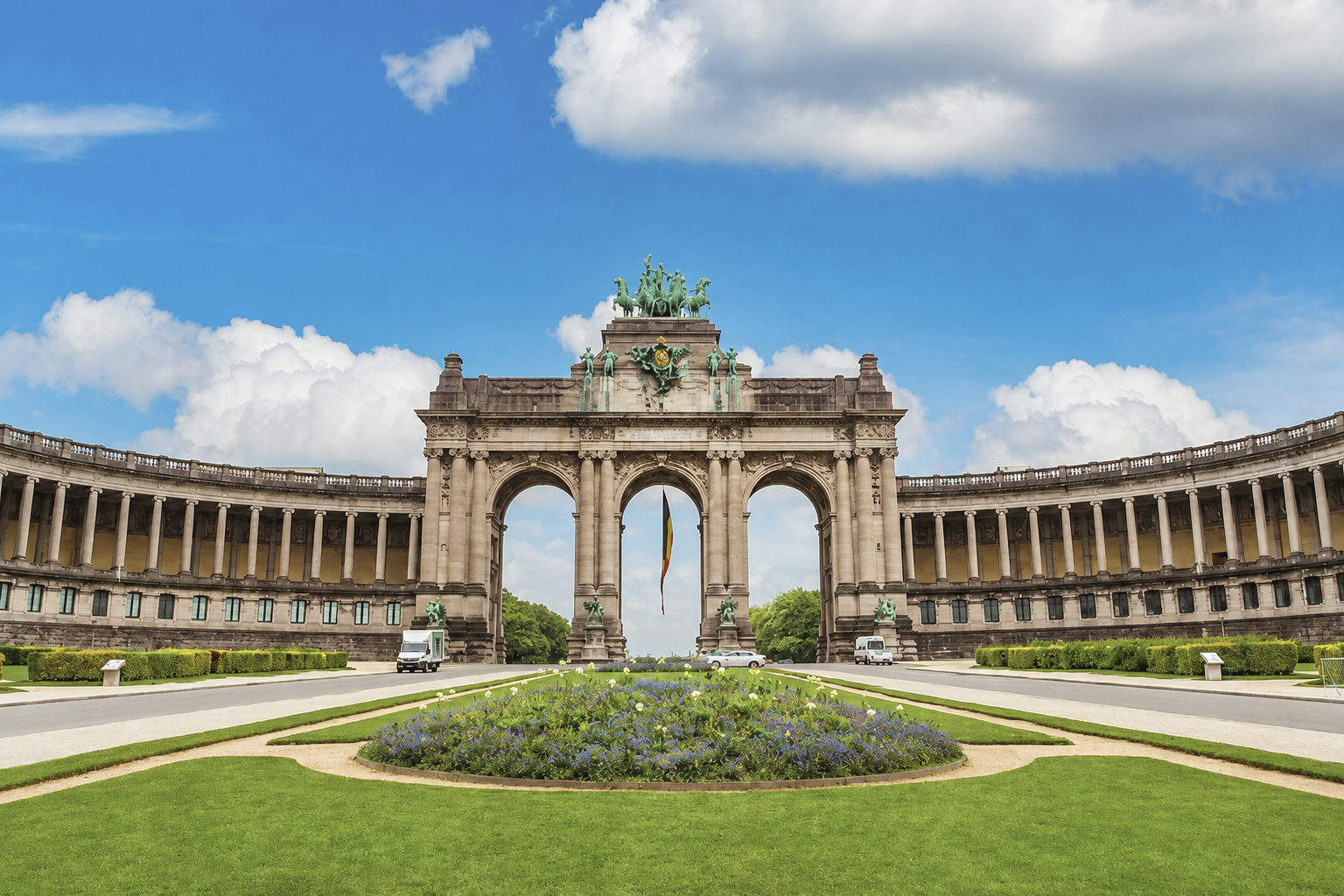
Spend a beautifully paced afternoon between Brussels' Royal Quarter and Sablon, beginning around the Royal Palace and Place Royale before wandering toward the antique shops and galleries of the Sablon. Visit the soaring Church of Our Lady of Victories at the Sablon, browse independent galleries and antique dealers, then settle into a café or wine bar as afternoon gives way to evening.
-
![Traditional Belgian moules-frites with mussels and fries served in Brussels]()
TRUE TASTE OF BELGIUM
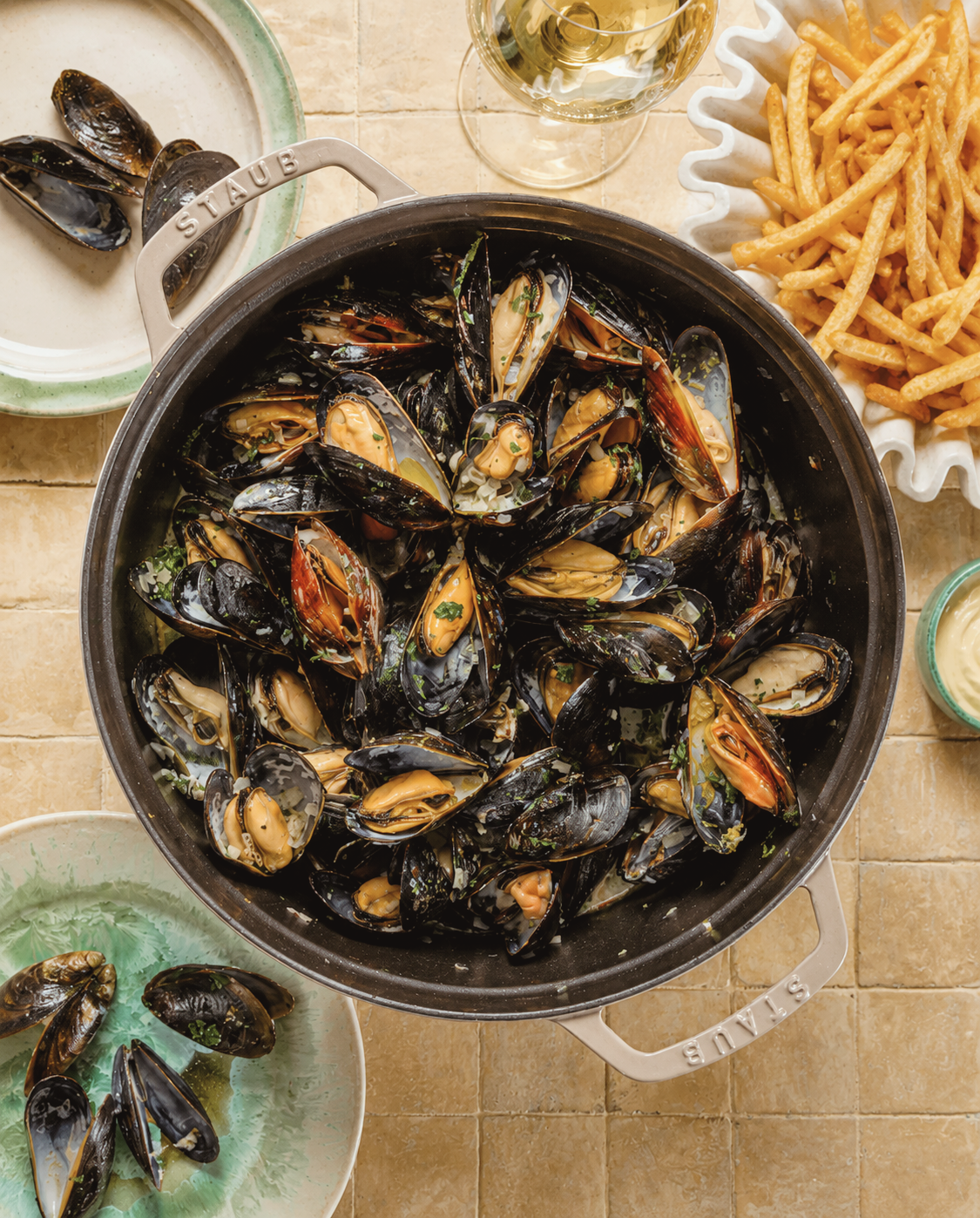
Experience the rich flavors and traditions that define Belgium through an intimate dining experience that celebrates local ingredients and time-honored recipes. Savor perfectly prepared shrimp croquettes, North Sea seafood, moules-frites, Flemish beef stew, crisp endive, and exceptional Belgian cheeses—each bite accompanied by Belgian beer or carefully selected European wines. For a truly memorable evening, arrange a private chef experience where every dish comes with the stories and traditions that make Belgian cuisine so special.
-
![Musical Instruments Museum housed in the historic Old England building in Brussels]()
Step Inside the Musical Instruments Museum
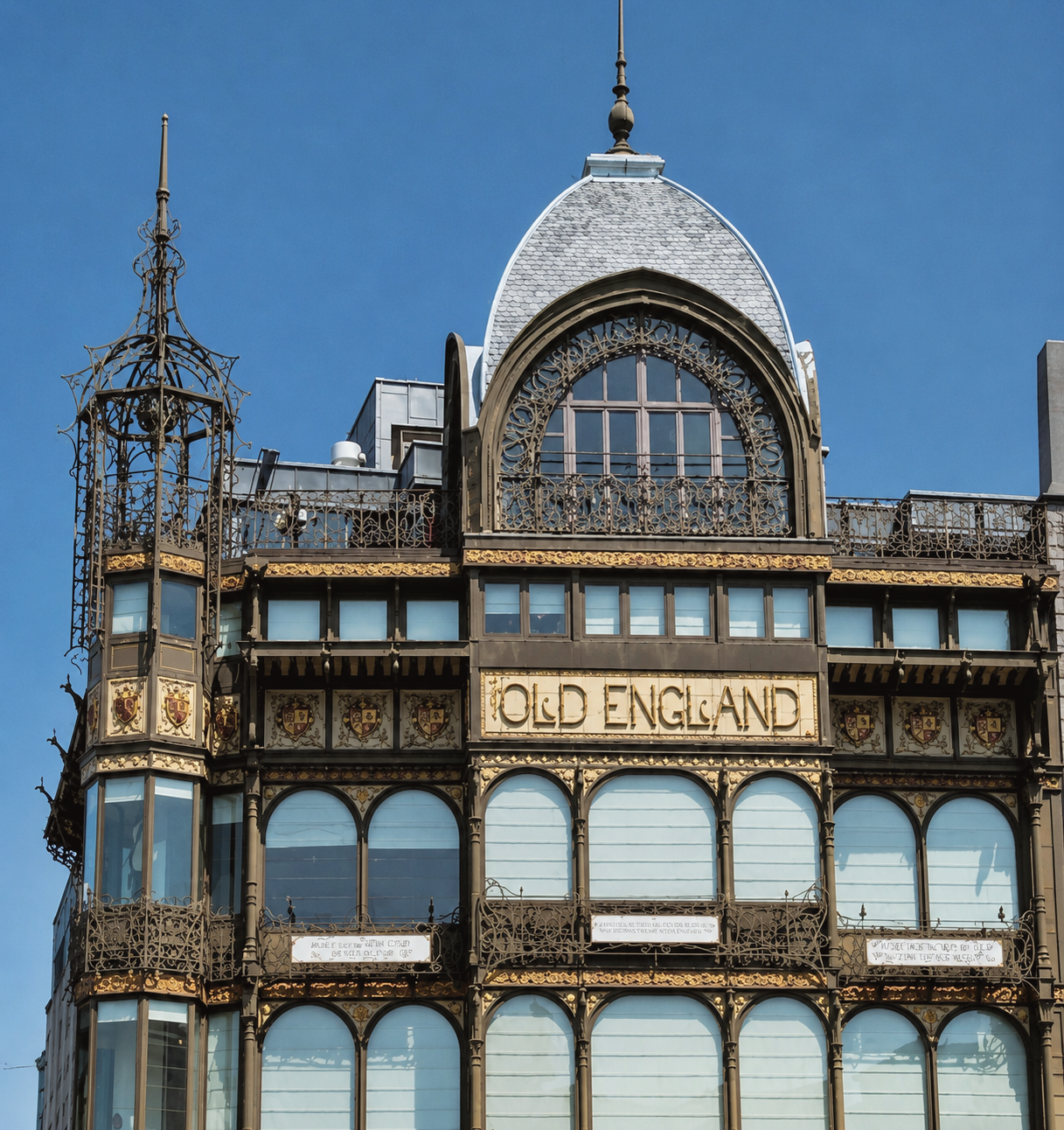
Enter one of Brussels’ most distinctive Art Nouveau buildings—the former Old England department store—for the Musical Instruments Museum. Explore its remarkable collection before heading upward for views across the rooftops of Brussels. Pair it with the nearby Mont des Arts and Place Royale for a leisurely cultural morning that combines architecture, music, and a beautiful sense of place.
-
![Picturesque canals and medieval architecture in Bruges on a day trip from Brussels]()
ESCAPE TO BRUGES
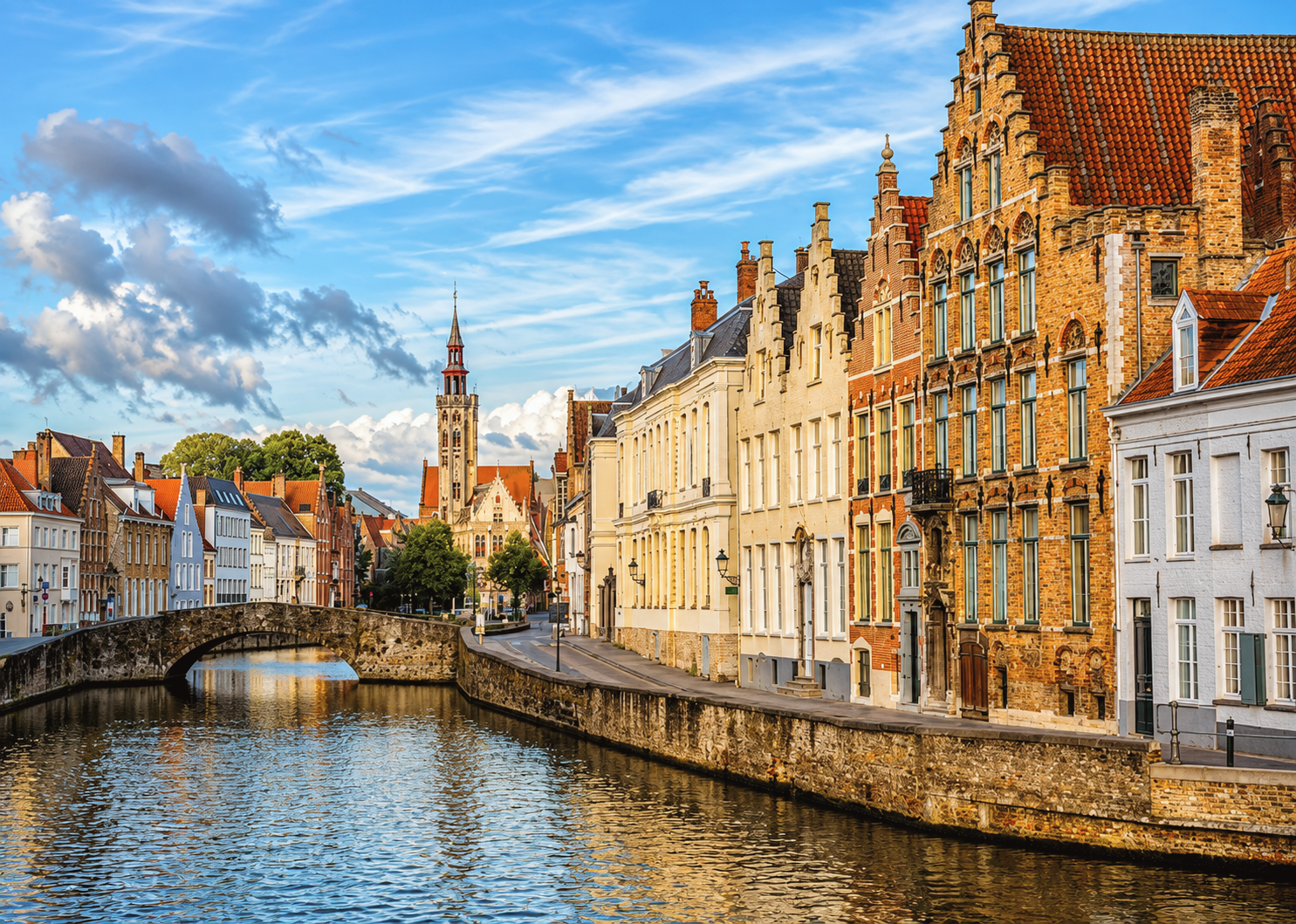
Trade the capital for the quiet beauty of Bruges, where medieval bell towers, stepped-gable houses and willow-lined canals create one of Belgium’s most atmospheric settings. Arrive early and wander the cobbled lanes around Markt Square and Burg Square, step inside the Basilica of the Holy Blood, then visit the Church of Our Lady to see Michelangelo’s Madonna and Child before climbing the Belfry of Bruges for sweeping views across the city’s red-tiled rooftops. Spend the afternoon at a slower pace—glide along the canals by private boat, discover a small Belgian chocolatier, and linger over lunch in an intimate local restaurant before a final walk toward Minnewater and the Begijnhof, experiencing the quieter side of Bruges beyond its postcard views.
-
![Festive Christmas market and holiday lights in Brussels, Belgium]()
Brussels at Christmas
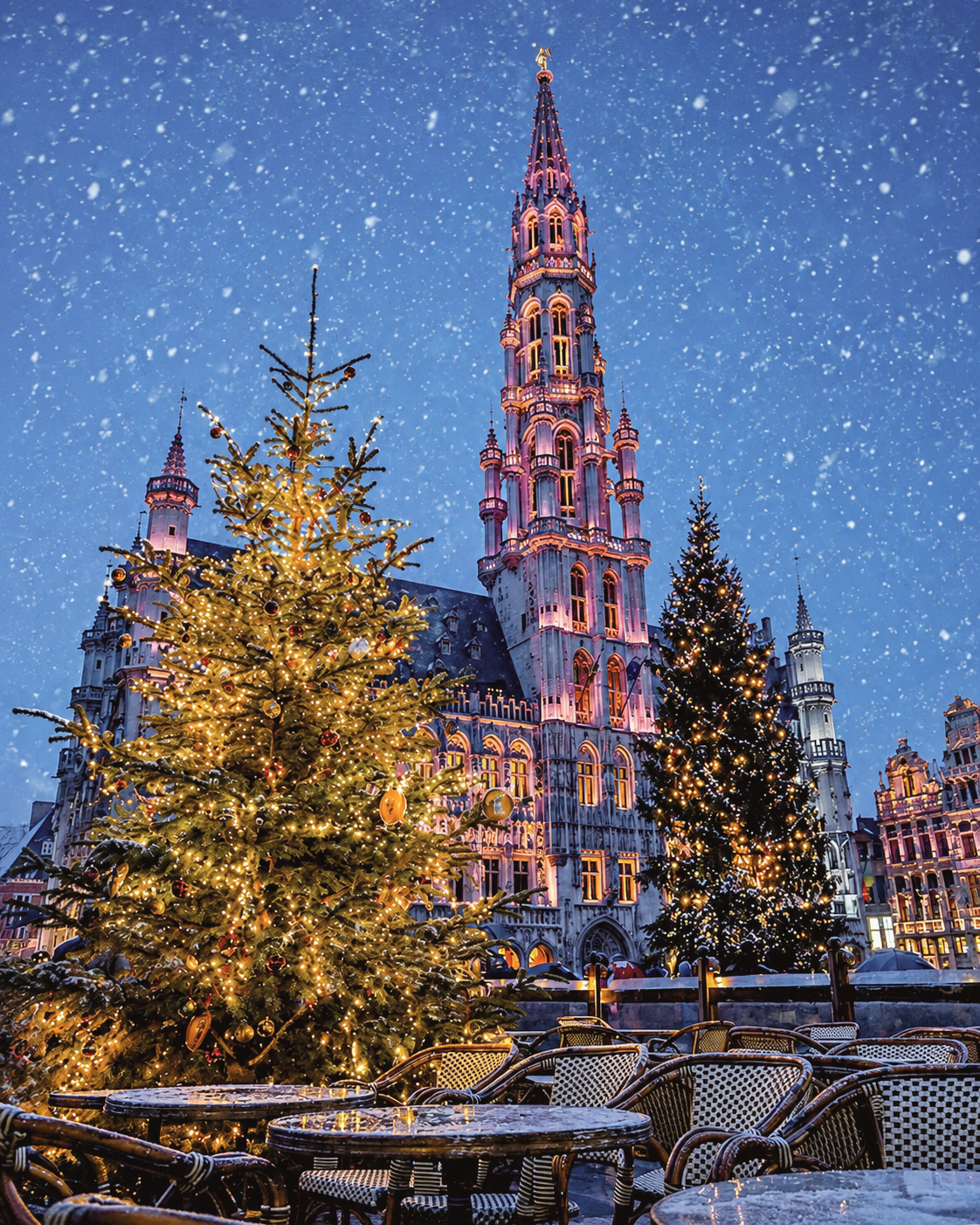
See Brussels at its most atmospheric during Winter Wonders, when the historic center glows beneath thousands of lights and Christmas stalls wind through the heart of the city. Begin around dusk at Grand-Place, when its gilded façades are illuminated, then wander toward Sainte-Catherine with a warm waffle or Belgian hot chocolate in hand. Browse small gifts and local specialties, stop somewhere intimate for dinner, and return to Grand-Place later in the evening when the crowds begin to thin—a particularly magical way to experience Brussels in winter.

Featured Stays
-
![Hotel Amigo luxury hotel near Grand Place in the historic center of Brussels]()
HOTEL AMIGO
Steps from Grand Place, Hotel Amigo brings refined luxury into the heart of historic Brussels. Belgian art, thoughtful design, and warm hospitality give this landmark stay a distinct sense of place—polished, elegant, and perfectly positioned for discovering the city on foot.
-
![Elegant interior at Juliana Hotel Brussels, a luxury boutique stay in the city center]()
JULIANA HOTEL
Overlooking the graceful Place des Martyrs, Juliana feels more like a private residence than a traditional city hotel. Art-filled interiors, neoclassical architecture, and an intimate atmosphere create a quietly sophisticated retreat just beyond the energy of central Brussels.
-
![Refined interior of Corinthia Brussels, a luxury hotel in the Belgian capital]()
Corinthia Hotel
A Brussels icon beautifully brought back to life, Corinthia occupies the storied former Grand Hotel Astoria. Restored Belle Époque details meet contemporary Belgian craftsmanship and exceptional hospitality, creating a stay that honors the building's past while introducing a new chapter of modern Brussels luxury.
-
![Stylish interior at Hotel Fleur de Ville, a boutique hotel in central Brussels]()
HOTEL FLEUR DE VILLE
Set within a beautifully restored historic building, Fleur de Ville captures the romance of old Brussels through a distinctly contemporary lens. Original architectural character, layered interiors, and an intimate boutique atmosphere make it a thoughtful choice for travelers drawn to places with both history and personality.
-
![Sophisticated interior at The Dominican boutique hotel in Brussels, Belgium]()
THE DOMINICAN
Built on the grounds of a former Dominican abbey, The Dominican carries traces of Brussels' past into an elegant contemporary setting. Atmospheric interiors and a secluded courtyard create a sense of calm, while its central location places the city's galleries, cafés, and historic streets just beyond the door.
-
![Elegant design at Faubourg 21, a luxury boutique hotel in Brussels]()
FAUBOURG 21
Set within a beautifully restored historic residence, Faubourg 21 offers an intimate expression of Brussels luxury where heritage architecture meets contemporary Belgian design. Art-filled interiors, considered details, and the atmosphere of a private home create a stay that feels deeply personal—an elegant retreat for experiencing the city at a slower, more discerning pace.
-
![Stylish contemporary interior at The Hoxton Brussels hotel in Belgium]()
THE HOXTON
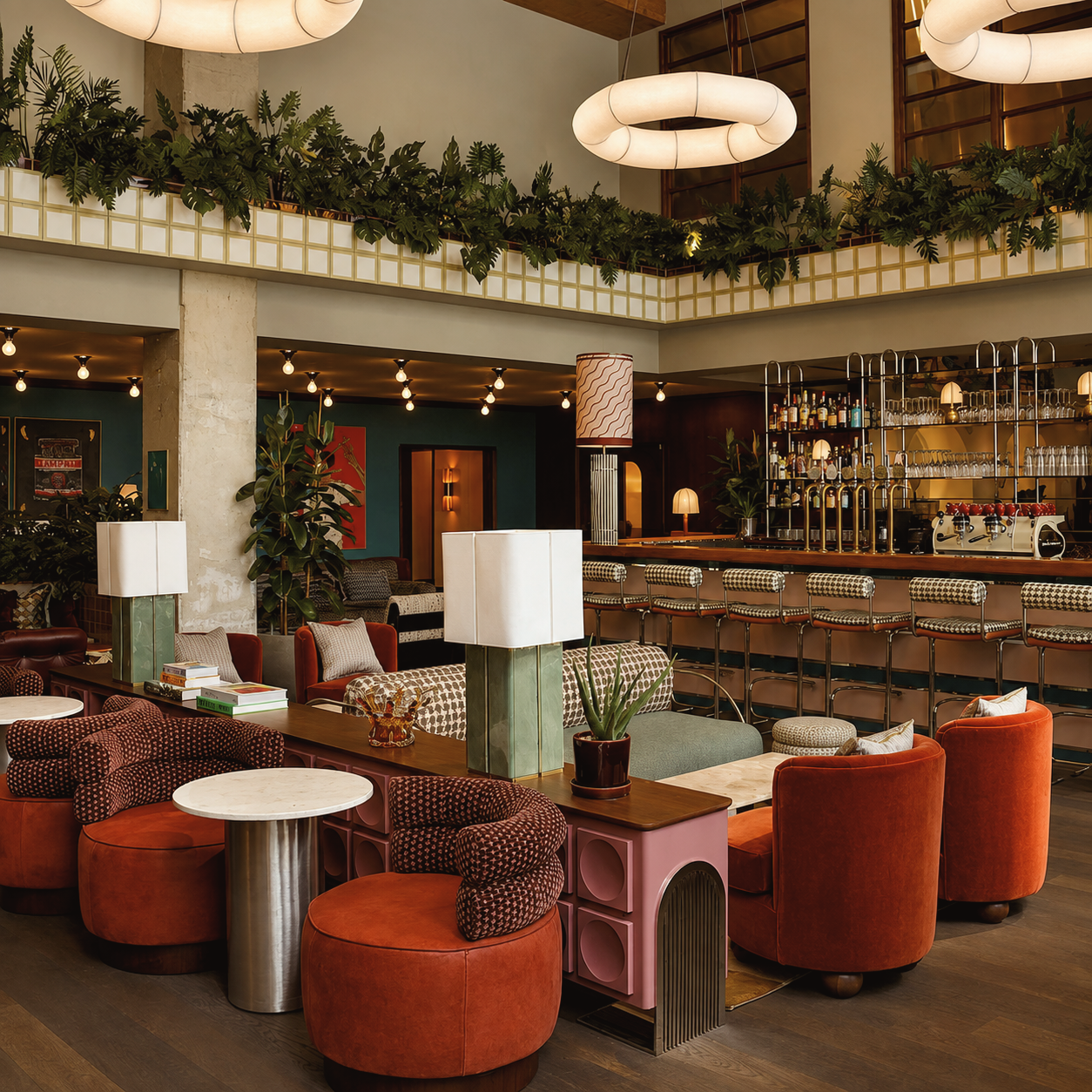
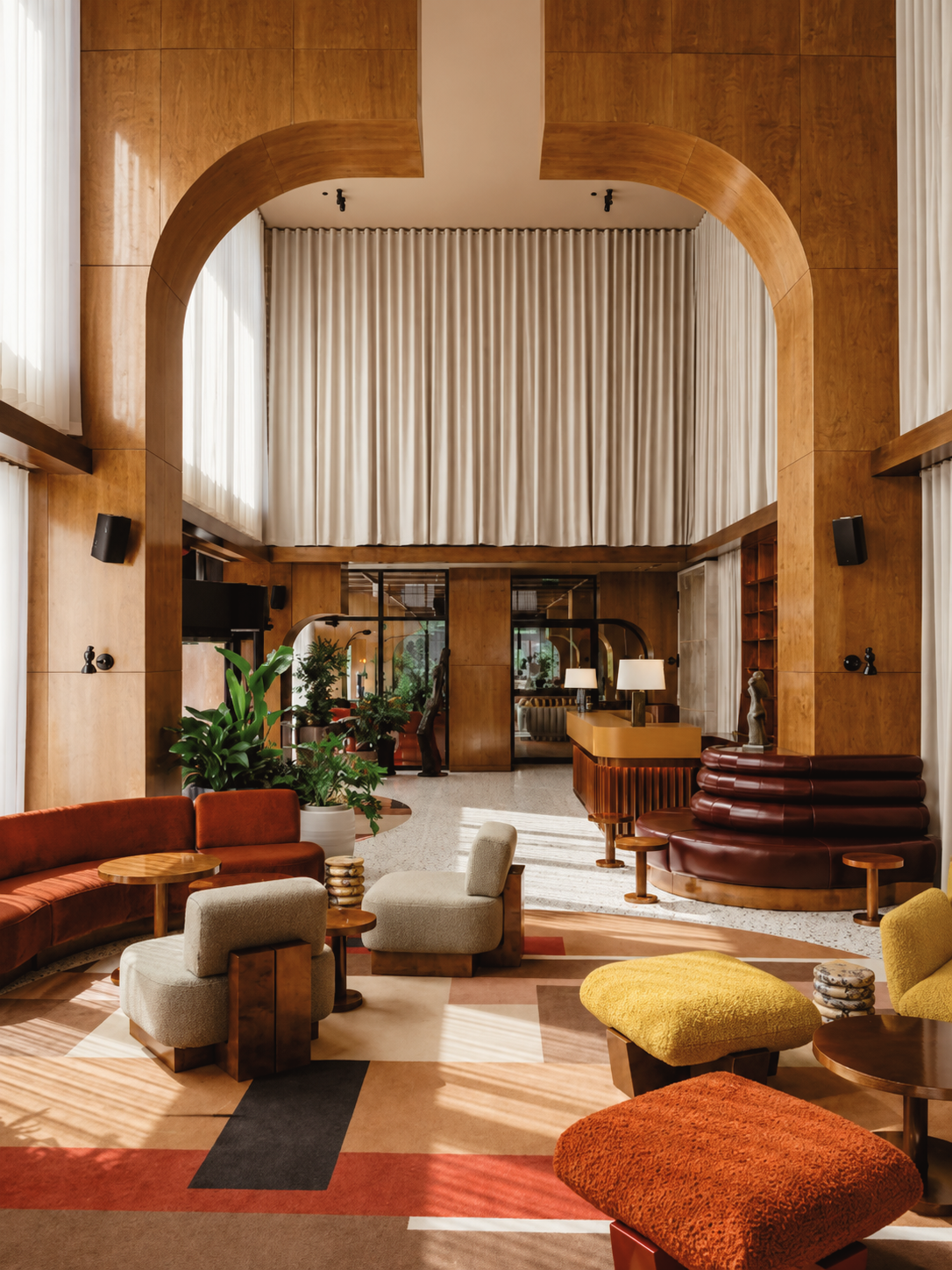
The Hoxton reveals a younger, more creative side of Brussels, pairing expressive design with the easy rhythm of a neighborhood gathering place. Lively communal spaces, sweeping city views, and a distinctly social spirit make it a stay for travelers who want to experience the Brussels of today.
-
![Contemporary design at The Standard Brussels, a modern luxury hotel in the city]()
THE STANDARD
Playful, expressive, and confidently contemporary, The Standard brings a fresh perspective to Brussels hospitality. Striking interiors, destination dining, and a creative energy running throughout make it an inspired base for discovering the city's increasingly dynamic cultural side.
-
![Boutique guest room at Hotel des Galeries near the Royal Galleries of Brussels]()
HOTEL DES GALERIES
Tucked inside the magnificent Galeries Royales Saint-Hubert, Hotel des Galeries is an intimate expression of Belgian design and understated luxury. Its historic setting, thoughtful interiors, and enviable location make staying here feel less like visiting Brussels and more like becoming part of it.
-
![Elegant interior at Hotel Manos Premier, a luxury hotel in Brussels, Belgium]()
HOTEL MANOS PREMIER
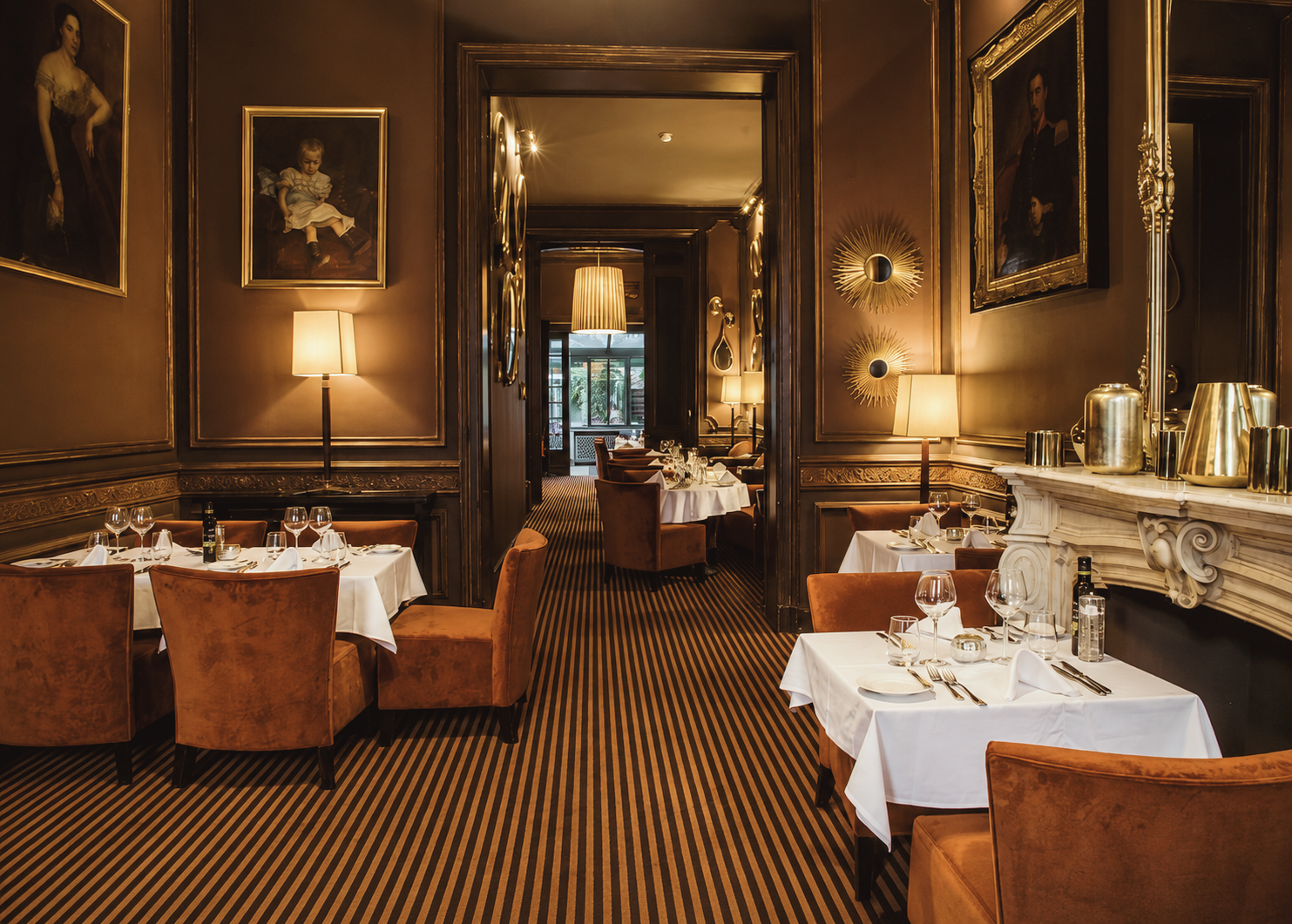
Rich with antiques, art, and old-world detail, Hotel Manos Premier feels wonderfully removed from the conventions of a modern city hotel. Its townhouse setting and hidden garden offer an intimate retreat filled with character—a romantic glimpse into a more timeless side of Brussels.
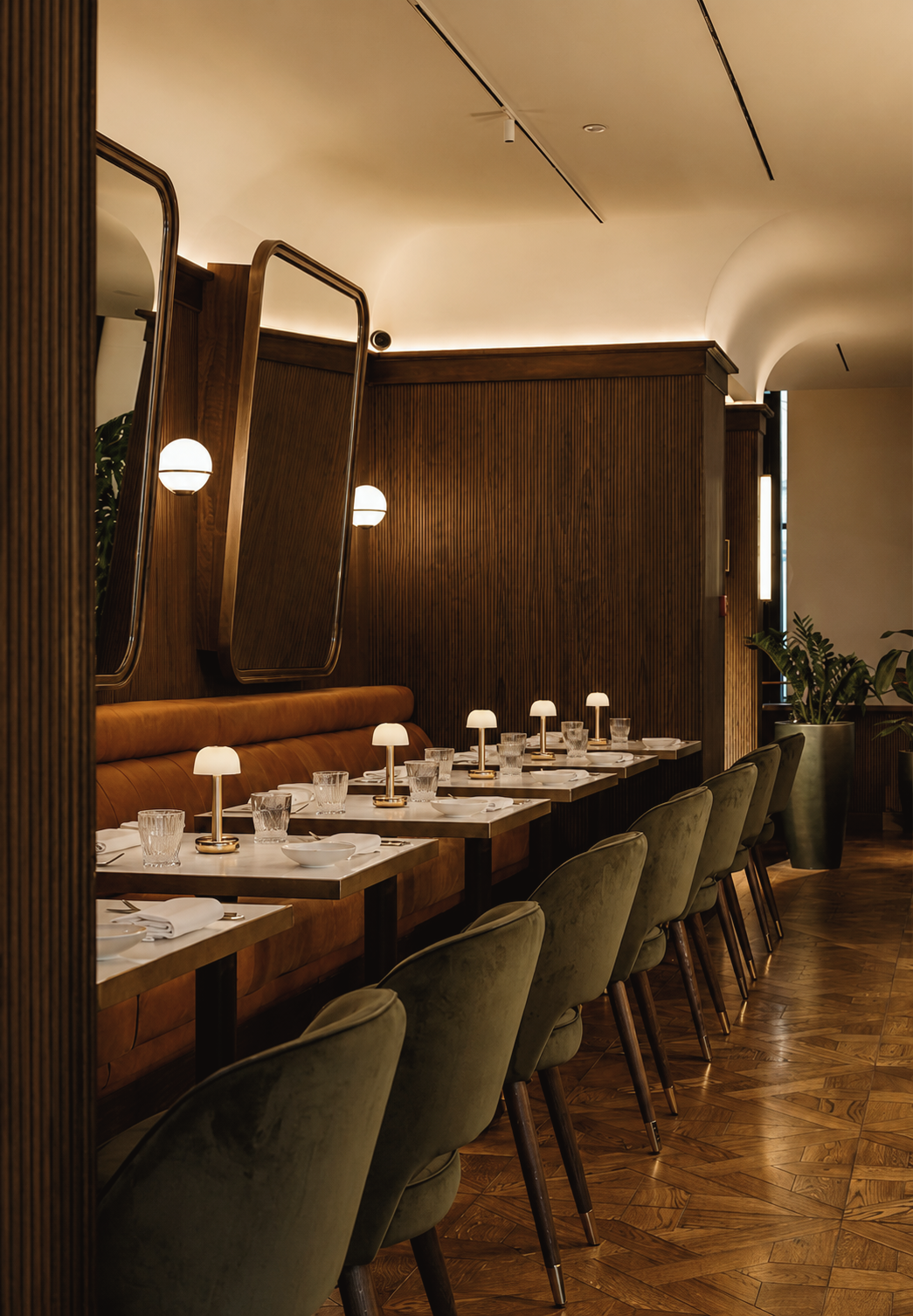
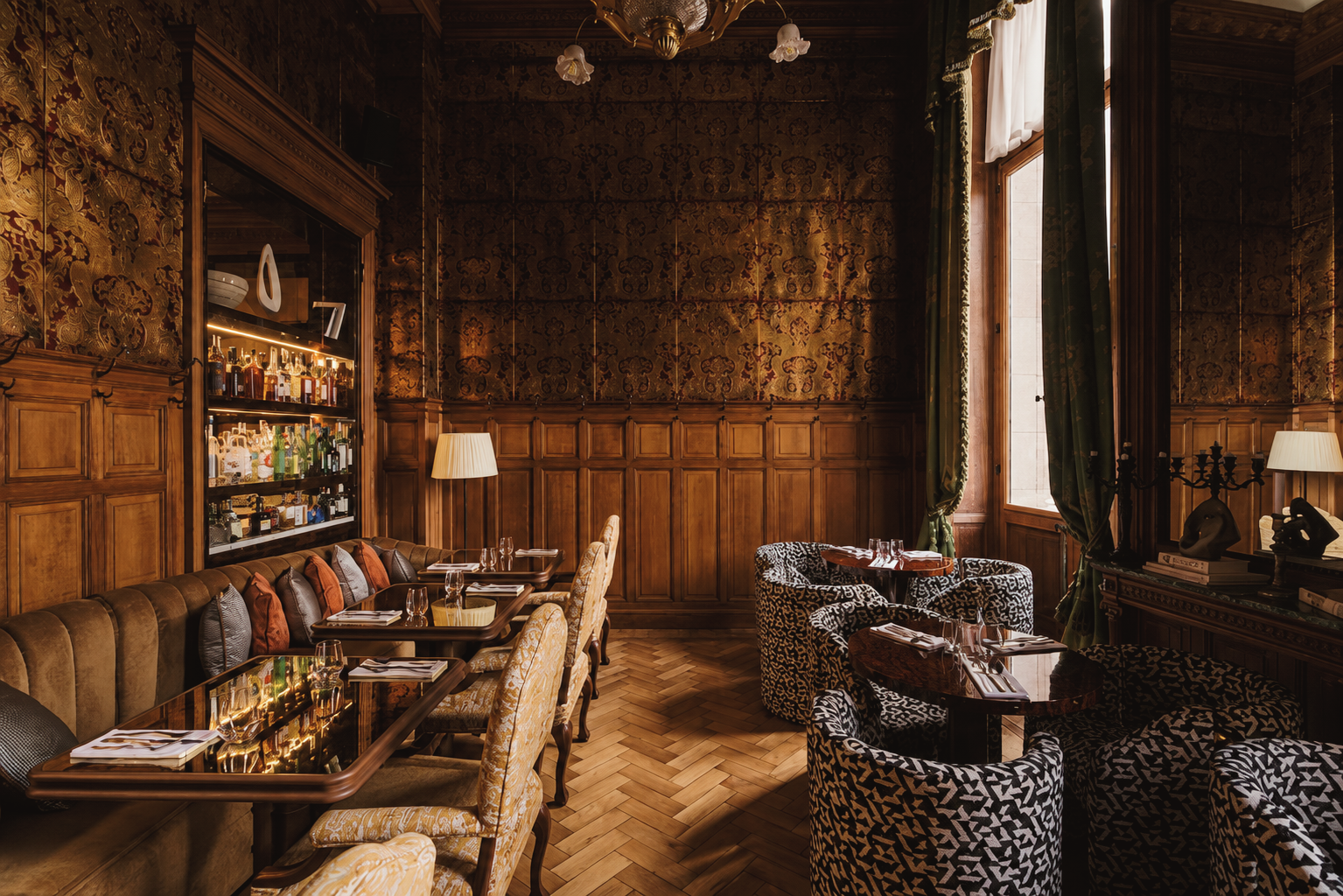
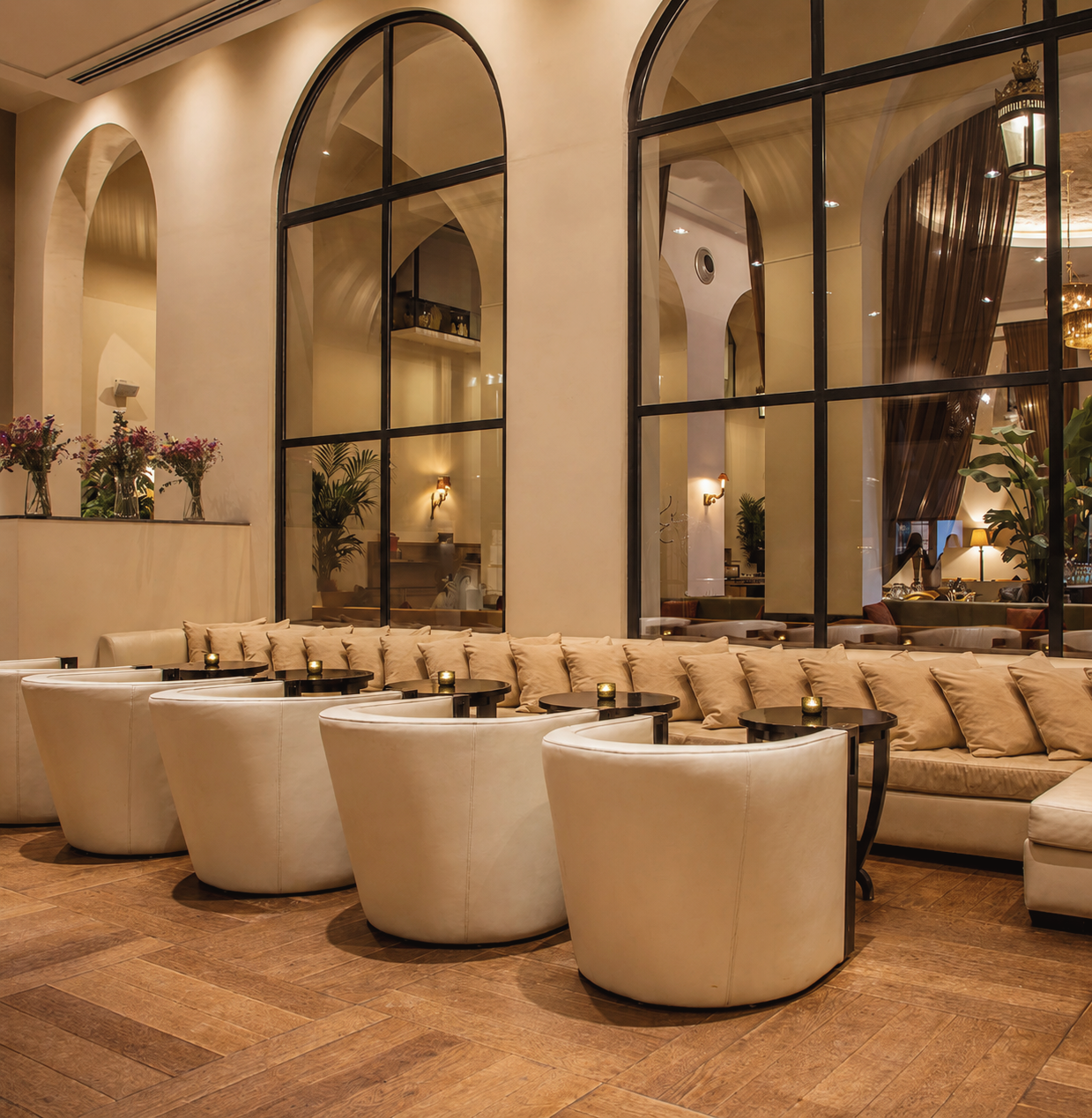
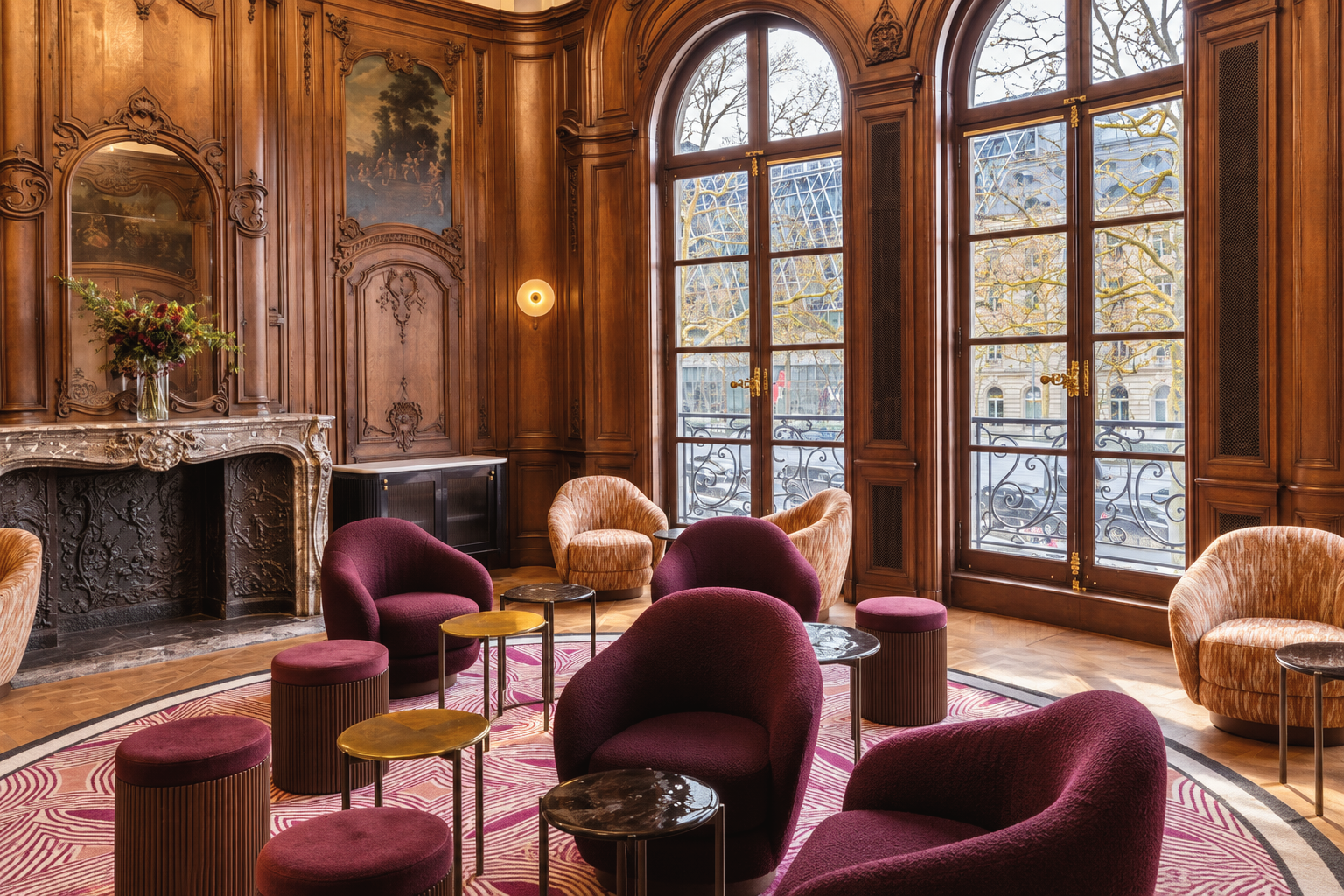
Featured Food & Wine
-
![Refined dining experience at Comme Chez Soi restaurant in Brussels]()
COMME CHEZ SOI
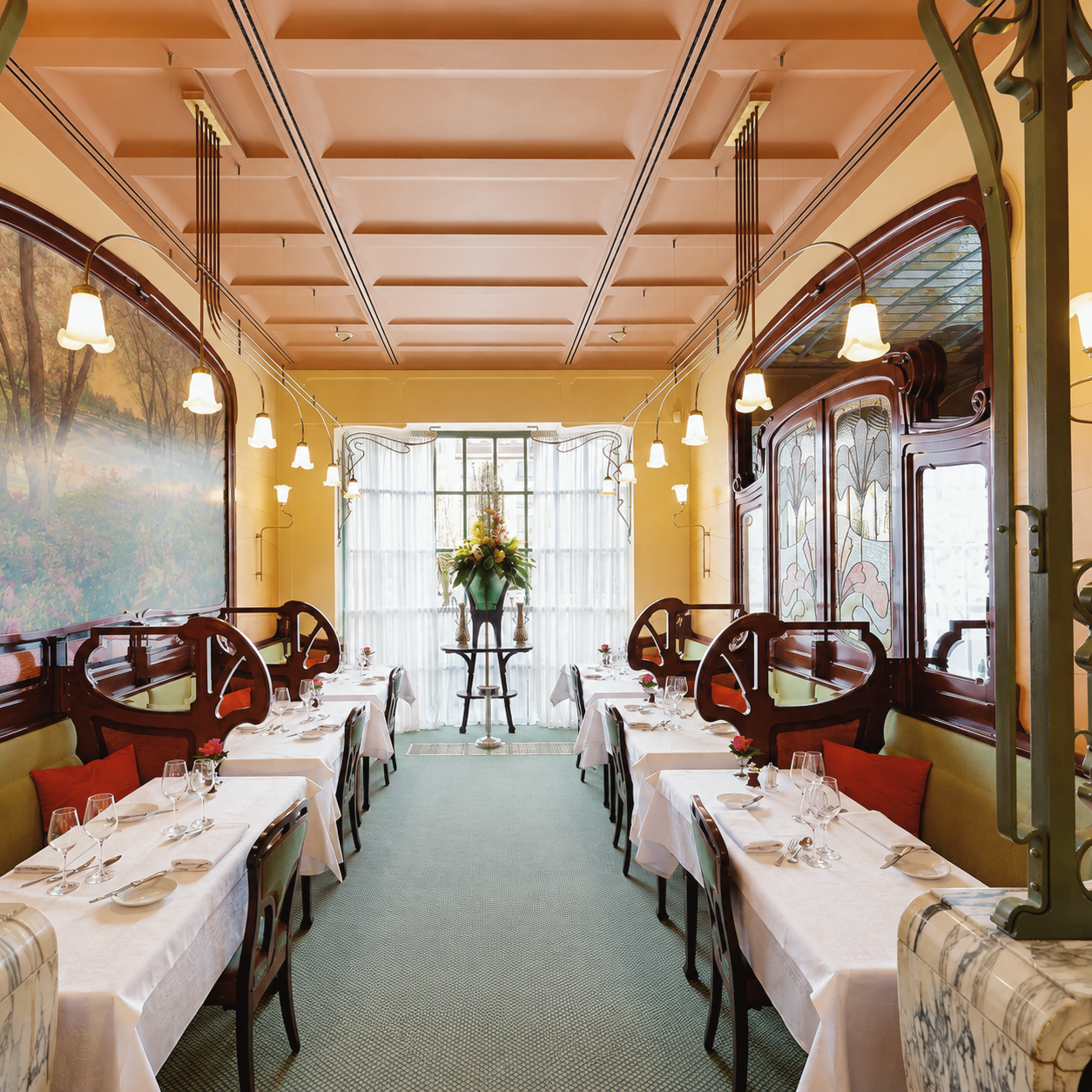
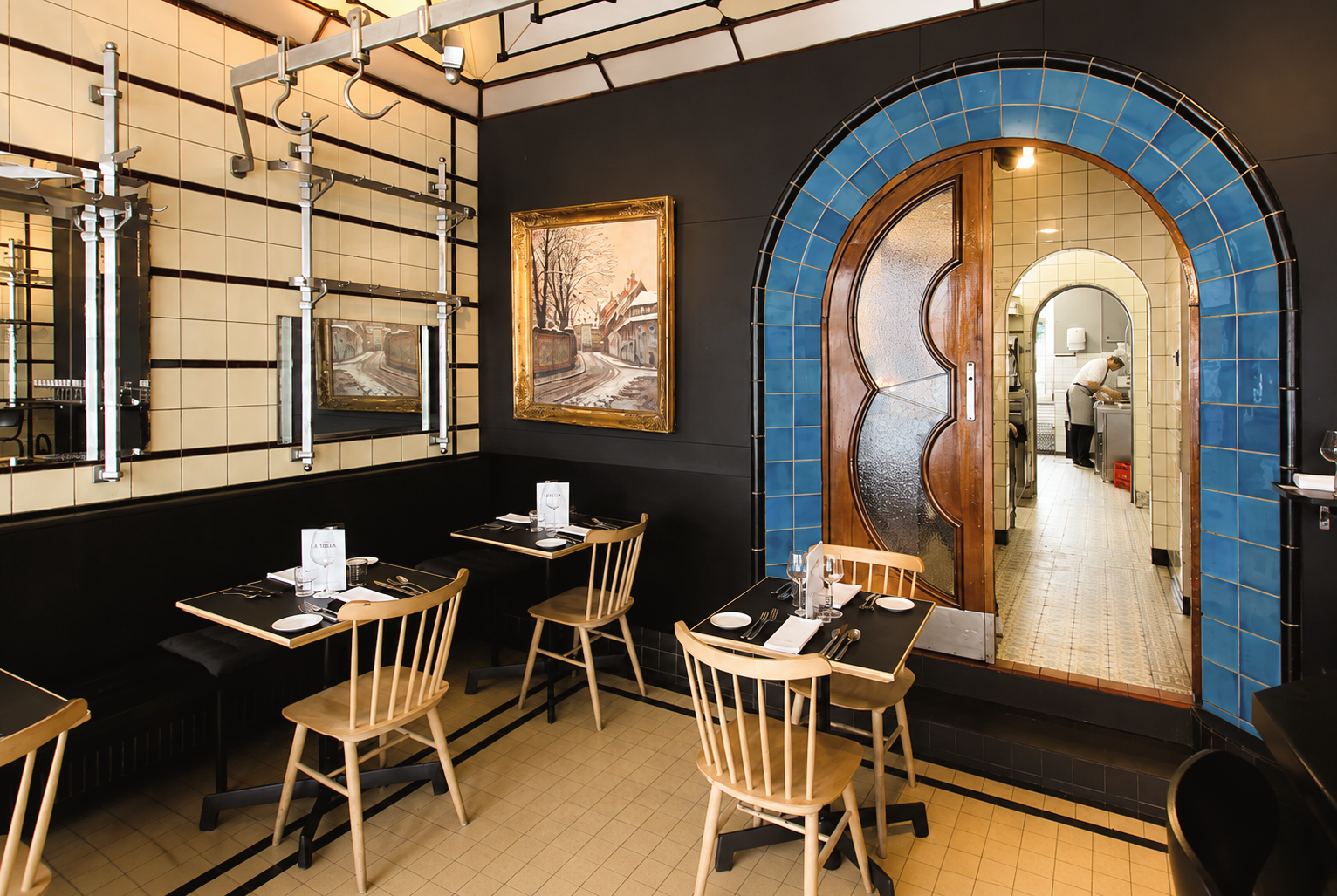
An enduring icon of Brussels dining, Comme Chez Soi pairs generations of culinary tradition with the intimacy of its remarkable Art Nouveau setting. Refined yet deeply rooted in place, it offers the kind of experience that feels inseparable from the city itself—timeless, elegant, and worthy of an evening set aside.
-
![Classic Belgian cuisine and inviting dining room at Les Brigittines in Brussels]()
LES BRIGITTINES
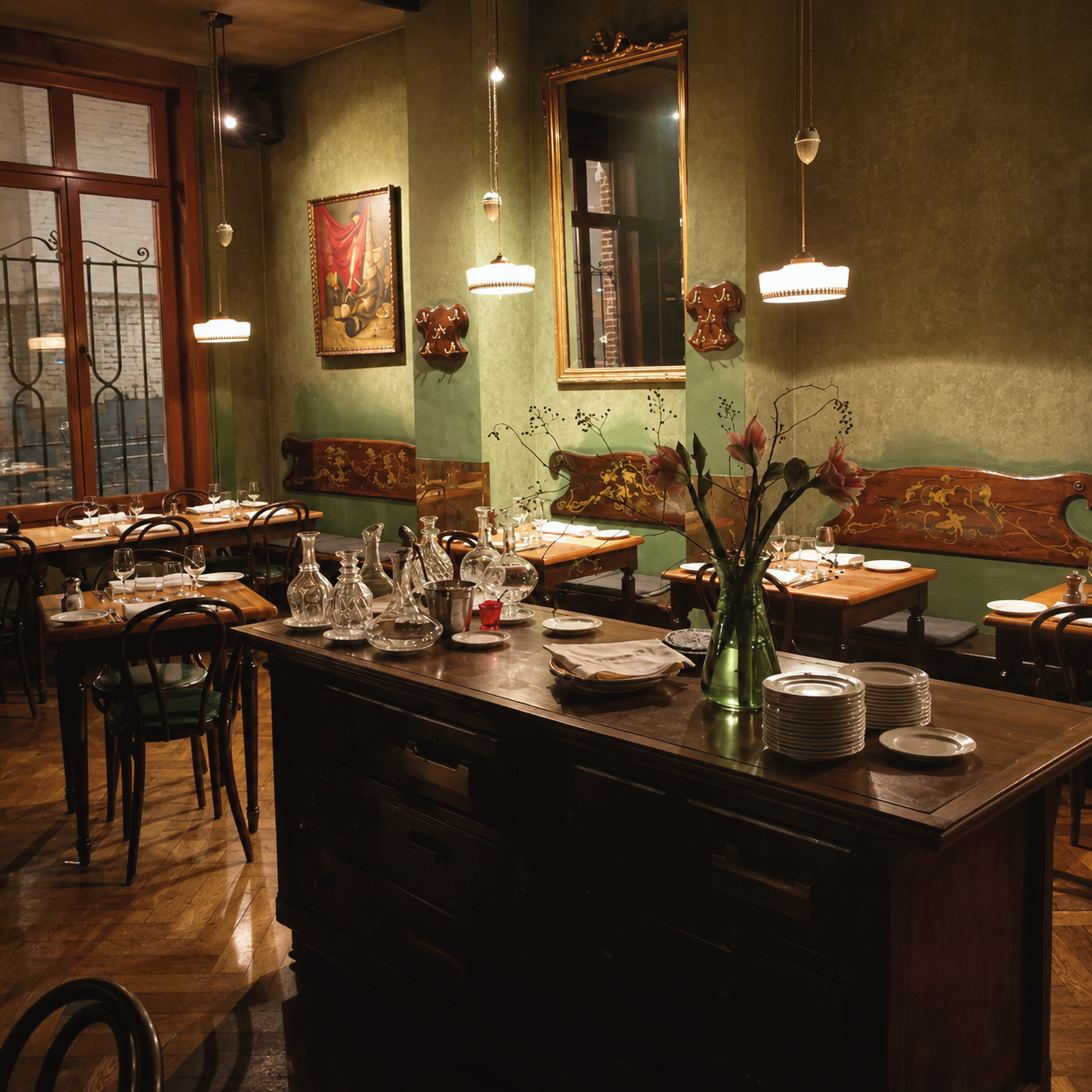
In the character-filled Marolles, Les Brigittines celebrates Belgian cooking with warmth, generosity, and an unmistakable sense of place. Local ingredients, regional traditions, and beautifully prepared classics make this the kind of table Soverra seeks out: culturally rooted, quietly memorable, and distinctly Brussels.
-
![Contemporary fine dining presentation at Bozar Restaurant in Brussels]()
BOZAR RESTAURANT
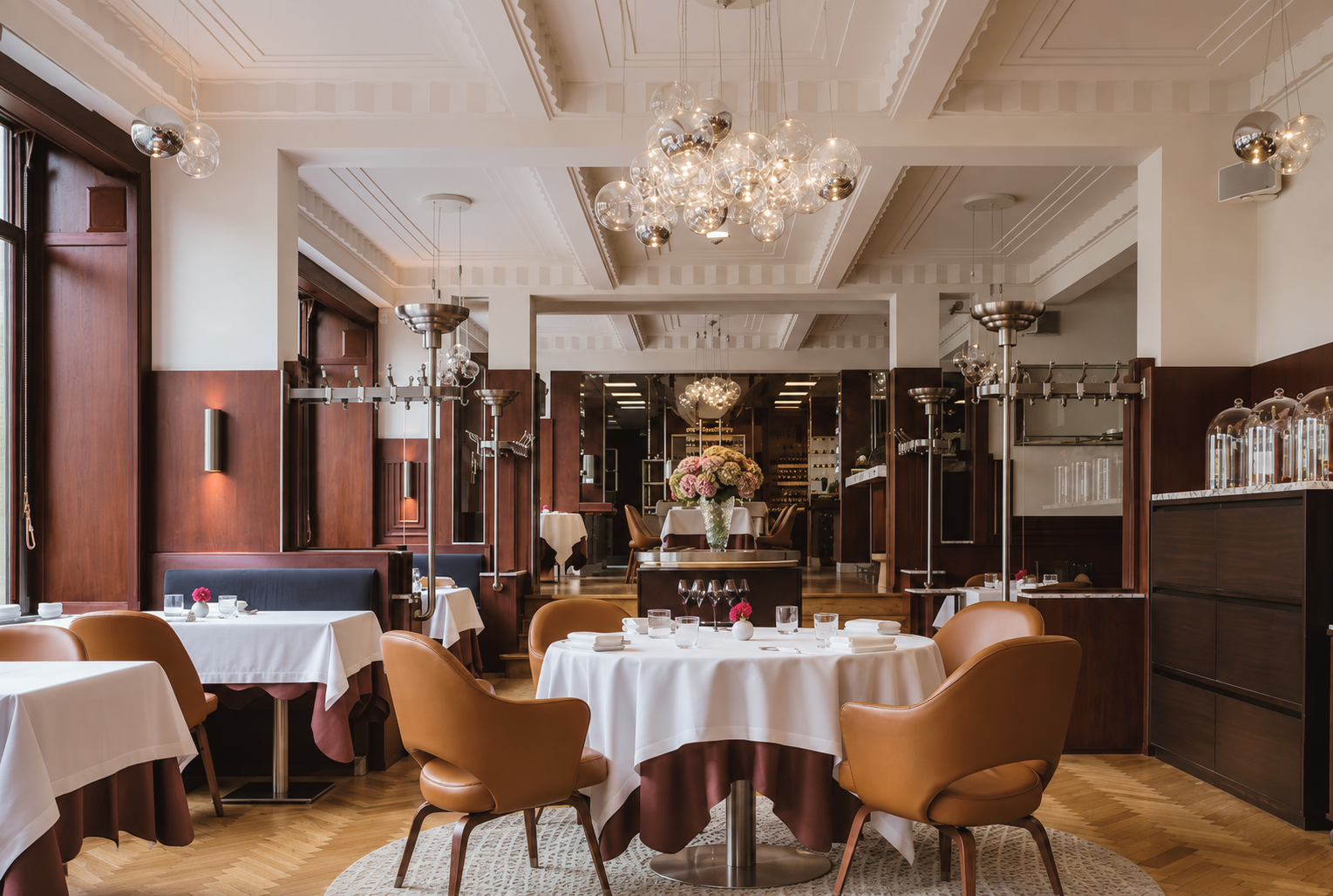
Set within Brussels' celebrated Centre for Fine Arts, Bozar brings together architecture, culture, and exceptional gastronomy beneath one remarkable roof. Chef Karen Torosyan's precise cooking feels perfectly at home within Victor Horta's landmark setting, creating an experience where the artistry extends far beyond the plate.
-
![Elegant dining at La Villa Lorraine by Yves Mattagne in Brussels, Belgium]()
LA VILLA LORRAINE
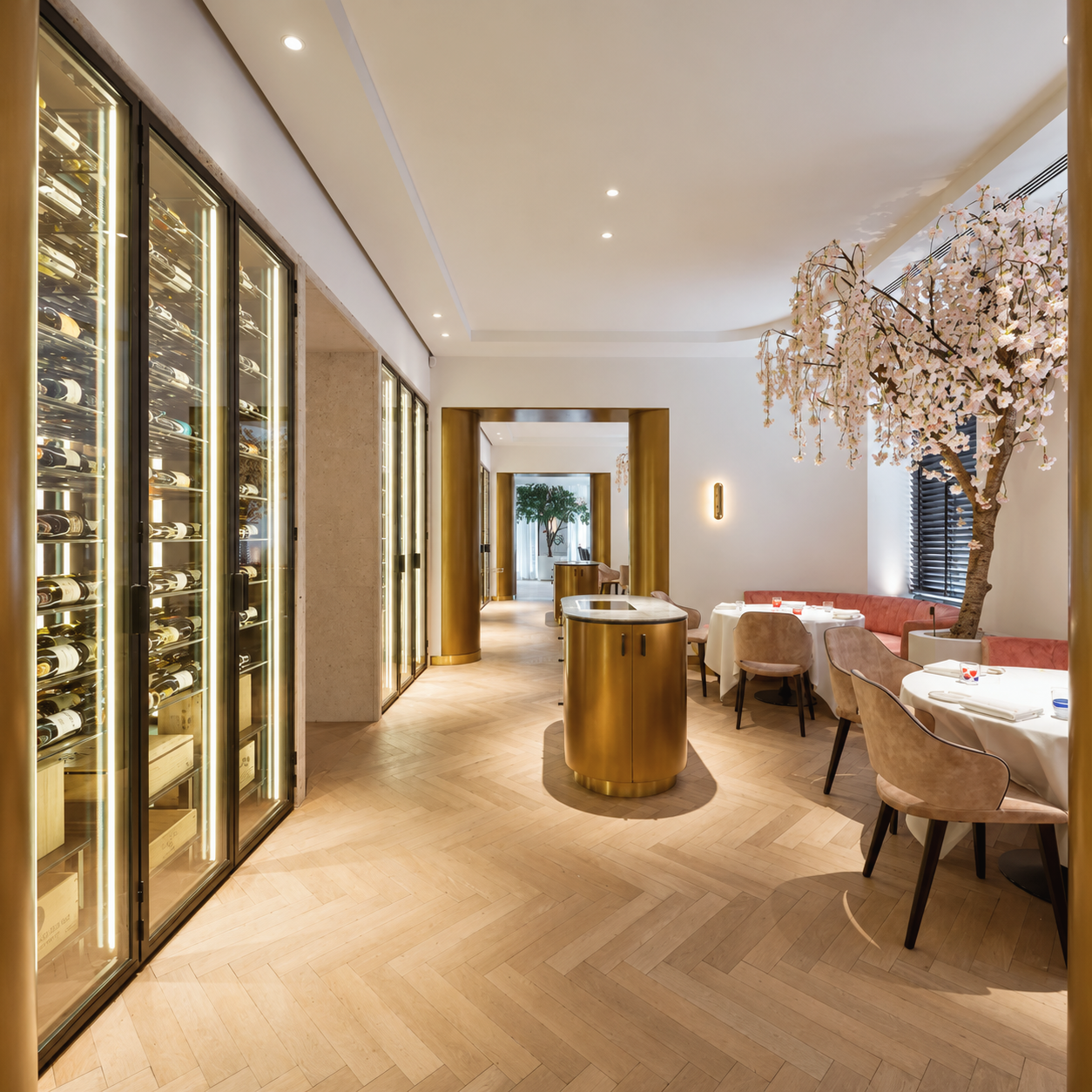
A longstanding name in Brussels dining, La Villa Lorraine brings a contemporary spirit to the rituals of classic European hospitality. Elegant interiors and beautifully composed cuisine make it an effortless choice for a lingering lunch or celebratory evening—a polished expression of the city's more refined side.
-
![Fine dining setting at Le Chalet de la Forêt restaurant in Brussels]()
LE CHALET DE LA FORÊT
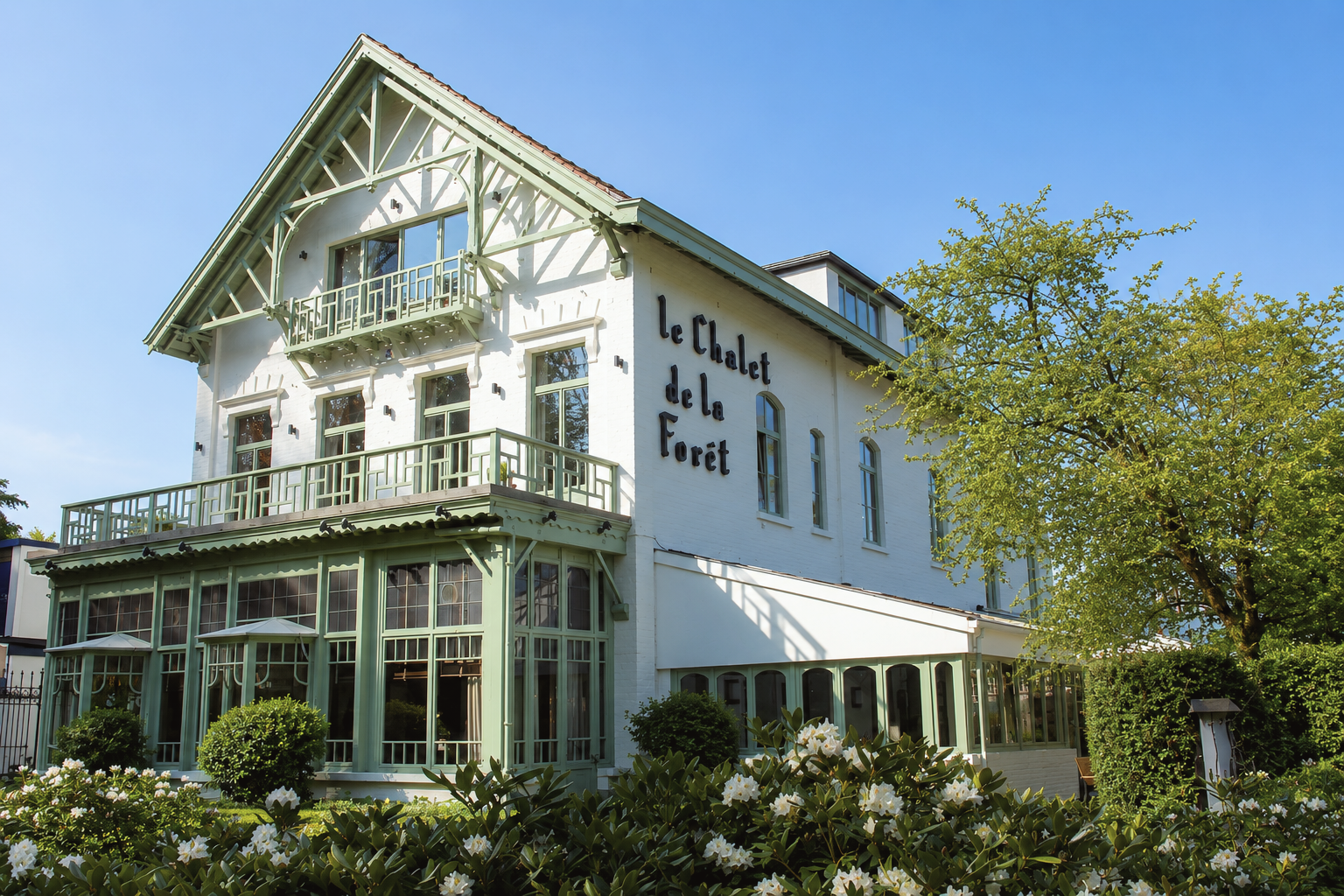
Tucked against the greenery of the Sonian Forest, Le Chalet de la Forêt feels wonderfully removed from the pace of the city. Chef Pascal Devalkeneer's refined cuisine, garden-led ingredients, and tranquil surroundings transform dinner into something more immersive—a destination worth leaving central Brussels to discover.
-
![Creative plant-focused fine dining at Humus x Hortense in Brussels]()
HUMUS X HORTENSE
Creative, thoughtful, and deeply connected to the natural world, Humus x Hortense offers a distinctly modern expression of Brussels dining. Its plant-forward cuisine and considered approach to sustainability make each course feel purposeful without sacrificing pleasure—an intimate glimpse into the progressive spirit shaping the city's culinary future.
-
![Intimate dining room at La Buvette, a neighborhood restaurant in Brussels]()
LA BUVETTE
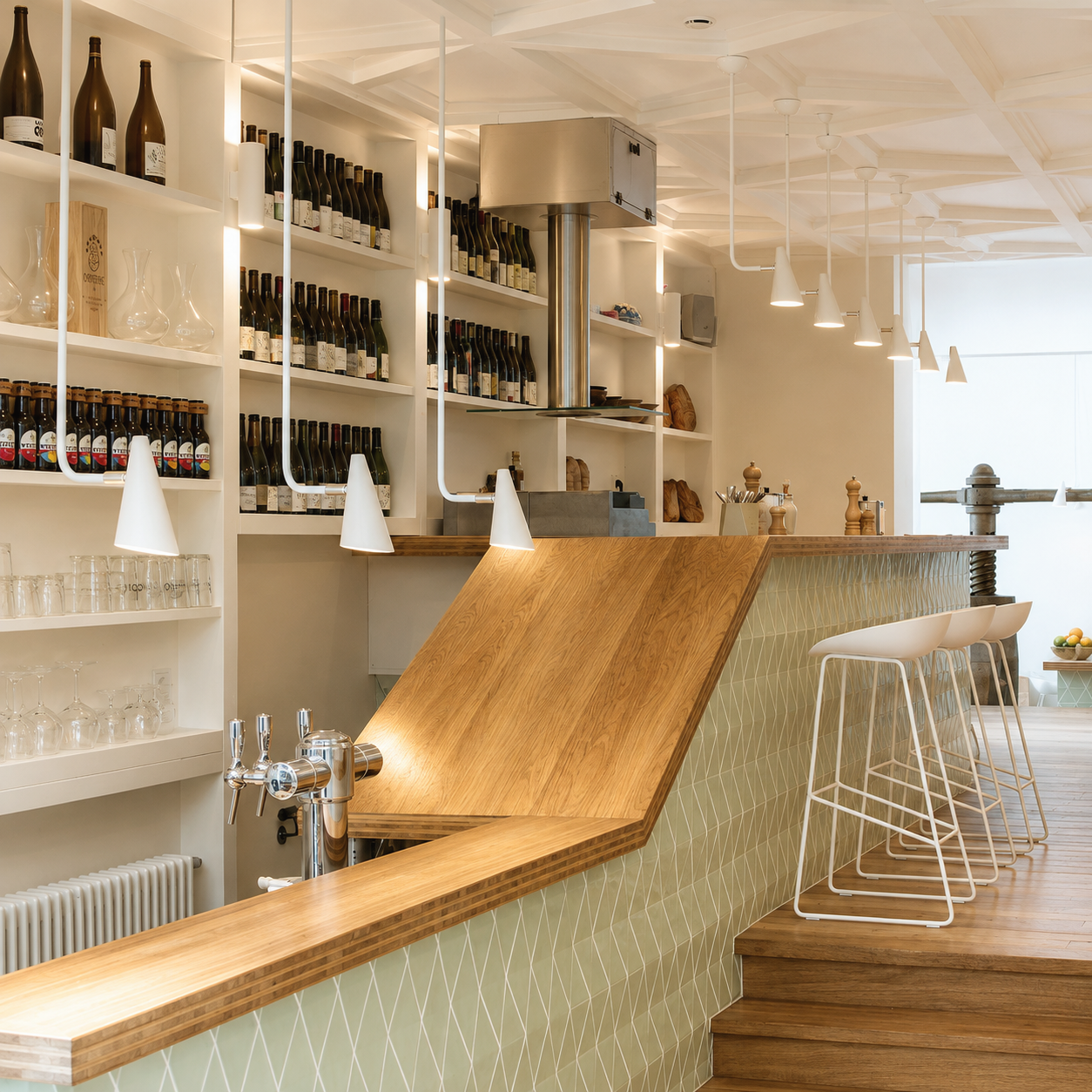
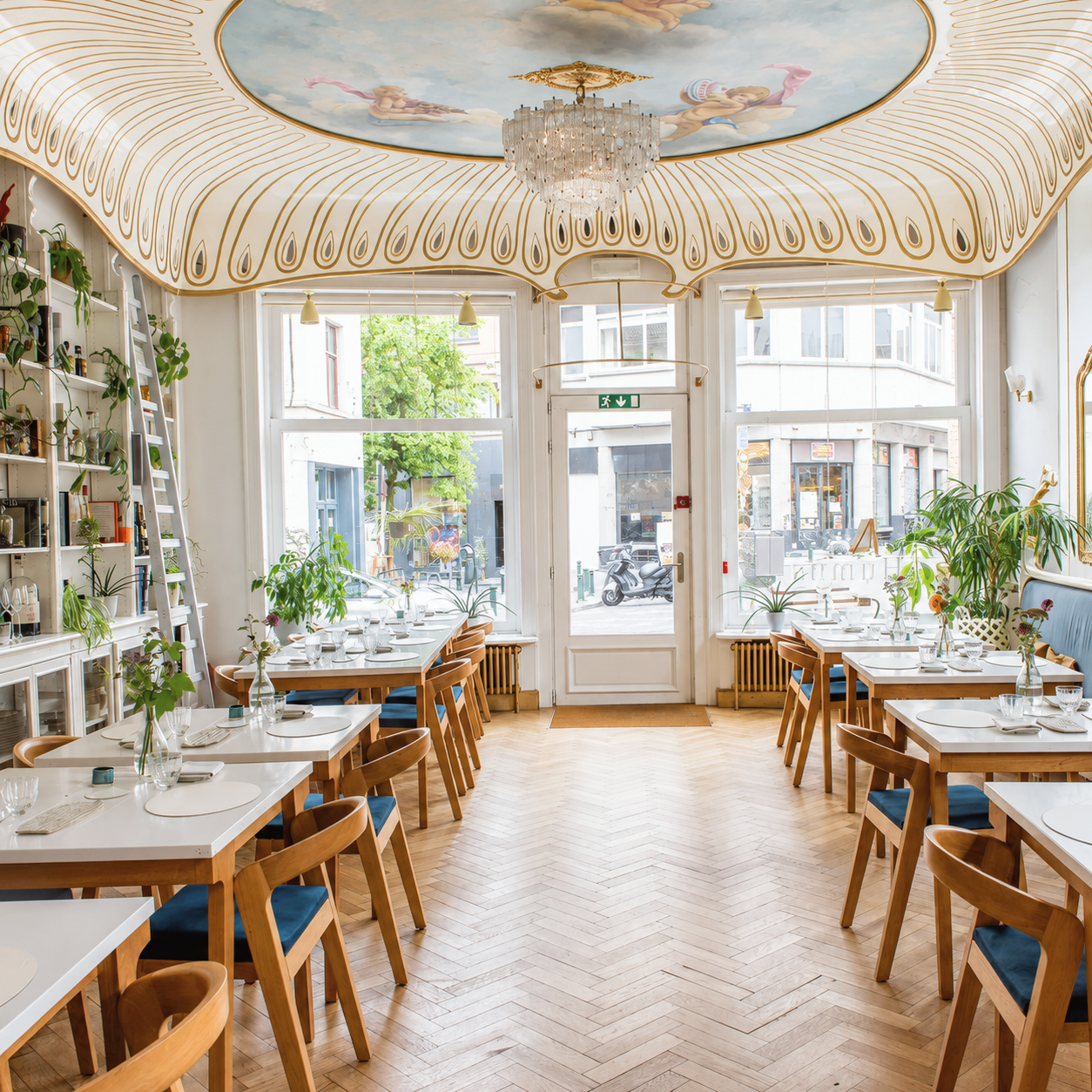
Hidden away in Saint-Gilles, La Buvette captures the understated creativity that makes Brussels' neighborhood dining scene so compelling. The intimate room and thoughtful seasonal cooking create an experience that feels personal rather than performative—the kind of place you are quietly pleased to have discovered.
-
![Seasonal Belgian dining at Le Tournant restaurant in Brussels]()
Le Tournant
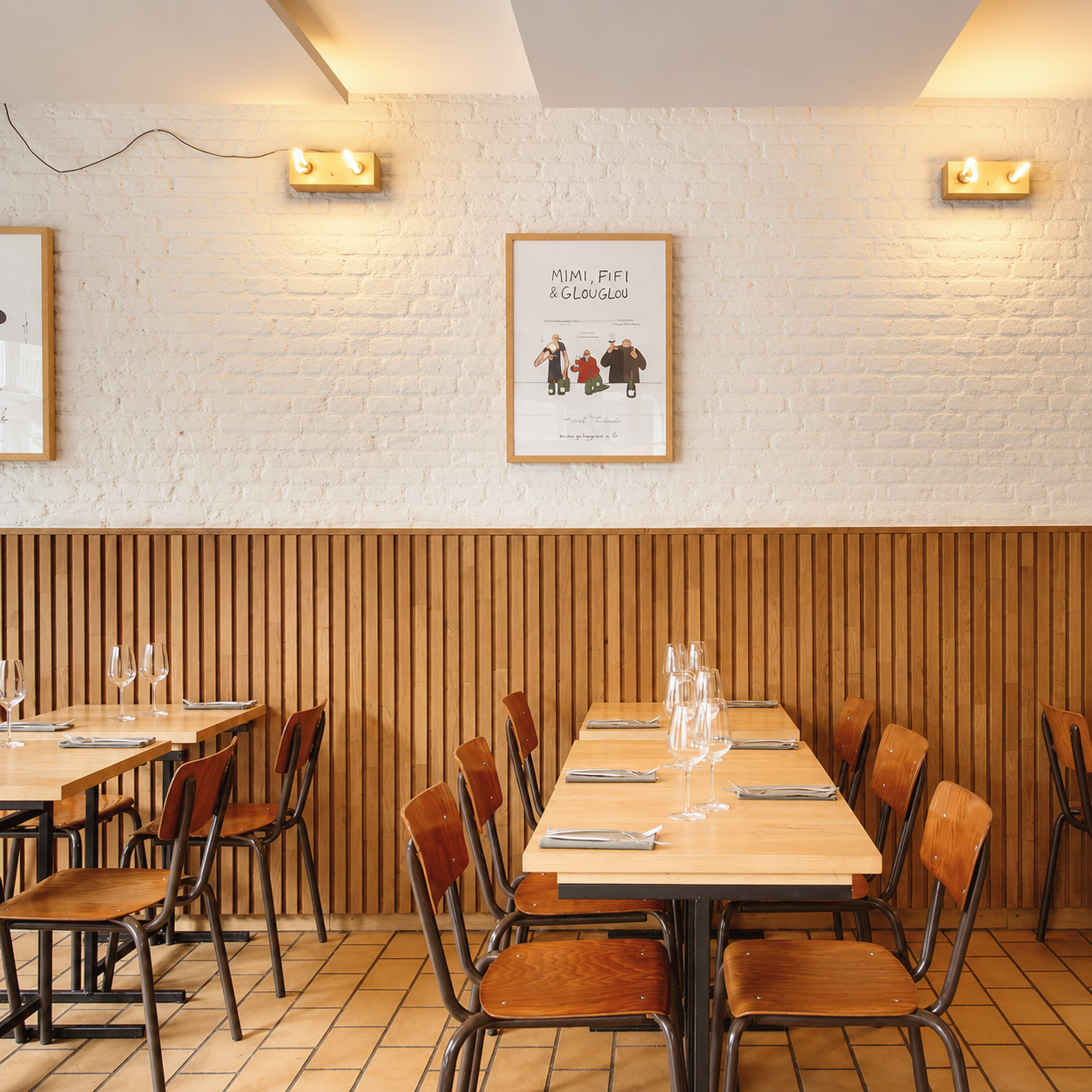
A quietly confident neighborhood table where Belgian ingredients meet thoughtful, contemporary cooking. Le Tournant favors seasonality, honest flavors, and carefully sourced produce, served in an intimate setting that feels more local favorite than formal dining room. Its understated approach and genuine sense of place make it a compelling choice for travelers looking to experience Brussels through the rhythm of its everyday culinary culture.
-
![Traditional Belgian tavern atmosphere at In ’t Spinnekopke in Brussels]()
IN 'T SPINNEKOPKE
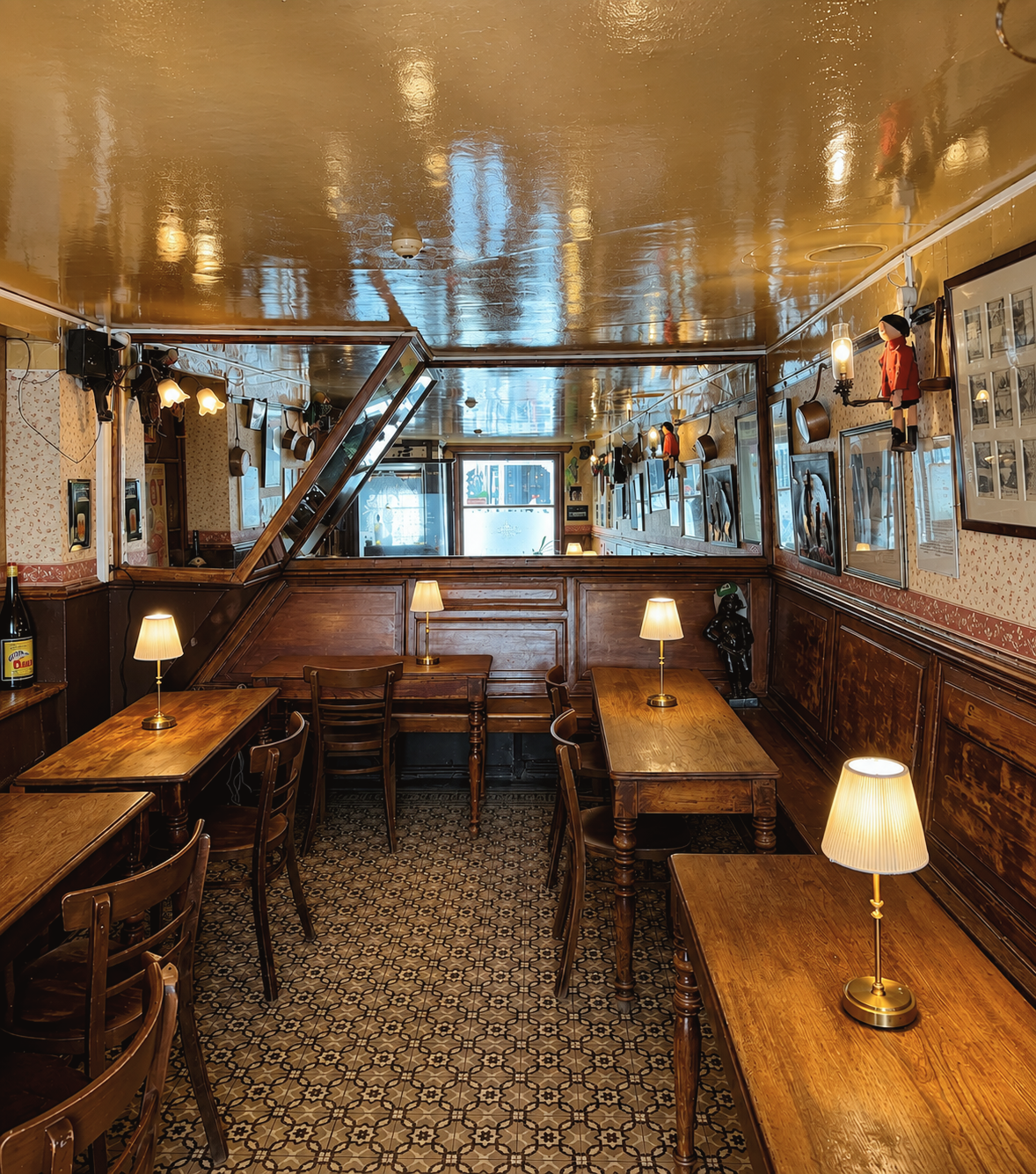
Housed within a centuries-old building, In 't Spinnekopke is Brussels at its most wonderfully traditional. Belgian beer, regional dishes, and an atmosphere shaped by history make this less about polished luxury and more about something equally valuable to Soverra—an authentic connection to the culture of the city.
-
![Refined cuisine at Au Cor de Chasse restaurant in Brussels, Belgium]()
AU COR DE CHASSE
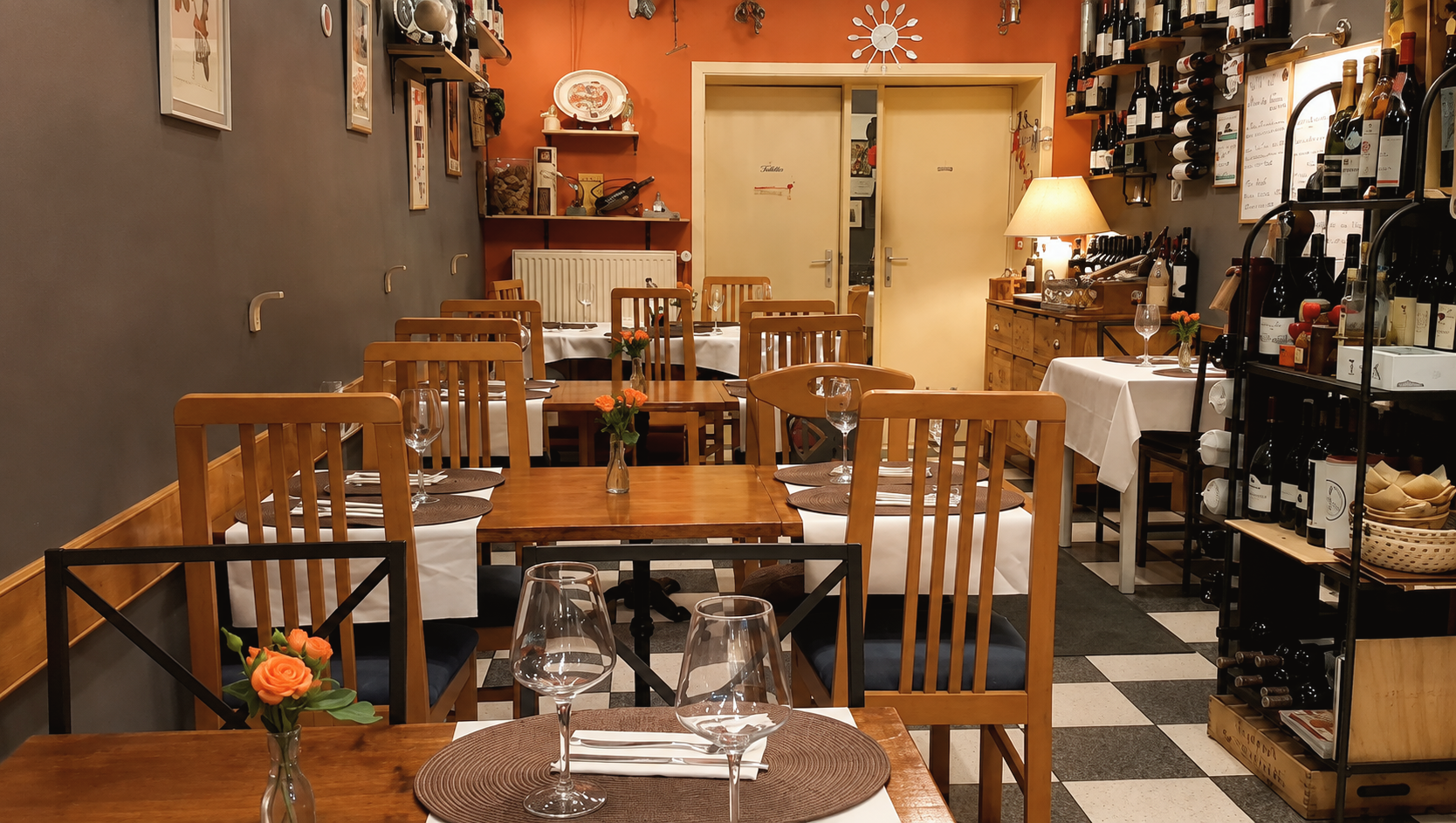
Au Cor de Chasse reflects the multicultural Brussels that exists beyond its historic landmarks, bringing Portuguese warmth and culinary tradition to an intimate neighborhood setting. Generous flavors and heartfelt hospitality make it a soulful addition to the collection—and a reminder that the city's identity has long been shaped by cultures coming together.
A Soverra Moment
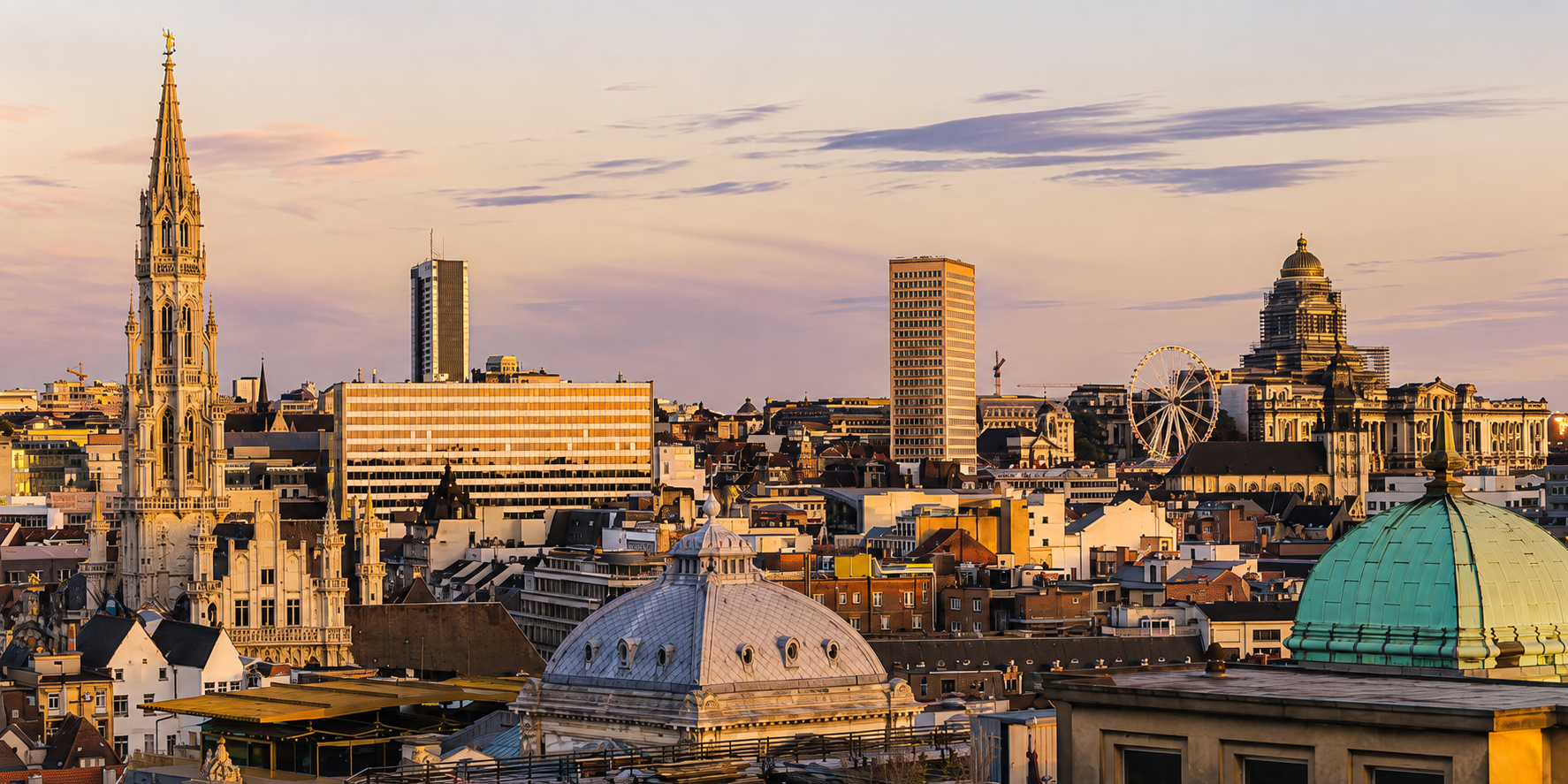
Let Brussels unfold slowly. Begin beneath the gilded façades of Grand-Place before the city fully wakes, then slip into the quieter streets of the Sablon for an artisan chocolate and coffee. Linger without an agenda—among Art Nouveau details, hidden courtyards and elegant arcades—and discover a Brussels that reveals itself in the spaces between the landmarks.
Frequently Asked Questions
-
Absolutely. Brussels is one of Europe's most underrated capitals, offering far more than chocolate and waffles. Grand architecture, world-class beer, exceptional dining, Art Nouveau masterpieces, and vibrant neighborhoods create a city that rewards travelers who slow down and explore. While many visitors pass through on their way to Bruges or Ghent, those who stay discover a destination rich in character, creativity, and everyday beauty.
-
We recommend 3-5 days for a perfect introduction to Brussels. You'll have enough time to wander the Grand Place, explore neighborhoods like Sablon, Saint-Géry, and Ixelles, visit museums and historic landmarks, and enjoy the city's renowned cafés, beer bars, and restaurants without feeling rushed. If you're using Brussels as a base for day trips to Bruges, Ghent, or Antwerp, consider staying 6-8 days.
-
Brussels is generally more affordable than Paris, London, or Amsterdam while still delivering a sophisticated European experience. Boutique hotels, excellent restaurants, and world-class museums are often priced more reasonably, making it an exceptional value for travelers seeking luxury without the premium price tag. Whether you're enjoying a Michelin-starred dinner or a coffee in a neighborhood café, Brussels offers experiences that feel elevated rather than extravagant.
-
Brussels uses the euro (€). Credit and debit cards are widely accepted throughout the city, from hotels and restaurants to boutiques and museums, though carrying a small amount of cash is useful for markets, cafés, and smaller purchases.
-
Brussels Airport (BRU) is the city’s primary international airport, located approximately 12 kilometers northeast of central Brussels. Trains connect the airport directly with the city center in around 20 minutes, while taxis and private transfers offer an easy door-to-door option.
-
Yes. Brussels is a wonderfully walkable city, especially in the historic center. Many of its highlights, including the Grand Place, Galeries Royales Saint-Hubert, Sablon, and Saint-Géry, are all within a comfortable stroll of one another. Expect charming cobblestone streets, hidden courtyards, and beautiful architecture around nearly every corner. For neighborhoods farther out, the city's excellent metro and tram system makes getting around effortless.
-
No. Most travelers won't need a car while visiting Brussels. The city is easy to explore on foot, and its extensive metro, tram, and train network connects neighborhoods, attractions, and nearby destinations with ease. If you're planning day trips to Bruges, Ghent, or Antwerp, Belgium's rail system is one of the easiest and most efficient ways to travel.
-
Brussels is at its best from April through June and again from September through October, when mild temperatures, blooming parks, and café terraces bring the city to life. Summer offers lively festivals and long evenings, while winter transforms the Grand Place with one of Europe's most enchanting Christmas markets. No matter the season, Brussels has a way of feeling inviting—each visit simply offers a different side of the city.
-
Yes. Brussels is generally a safe city for travelers, especially in popular neighborhoods like the Grand Place, Sablon, Ixelles, and the European Quarter. As with any major European capital, it's wise to stay aware of your surroundings and keep an eye on your belongings in busy tourist areas and train stations. You'll find Brussels to be a welcoming, comfortable city that's best explored at an unhurried pace.
-
The best neighborhood depends on how you like to travel. Stay near the Grand Place if it's your first visit and you want to be within walking distance of the city's iconic landmarks. Sablon offers boutique hotels, antique shops, and an elegant atmosphere, while Ixelles is perfect for travelers drawn to stylish cafés, independent boutiques, and a vibrant local scene. Wherever you stay, Brussels is compact enough that most neighborhoods are easily connected on foot or by public transit.
-
Yes. While Brussels is officially bilingual, with French and Dutch as its primary languages, English is widely spoken throughout the city—particularly in hotels, restaurants, museums, and tourist areas. As the capital of both Belgium and the European Union, Brussels is an international city where English-speaking travelers can comfortably navigate without knowing the local languages. Learning a few French greetings is always appreciated, but you'll rarely have trouble communicating.
SOVERRA CONCIERGE
Thoughtful stays, memorable tables, cultural experiences, and the details in between—brought together into a journey shaped entirely around the way you want to travel.
brussels, curated around you